
Zeekr 7GT Privilege AWD Review: Real-World Range, Charging and Verdict
Published: 27/09/2026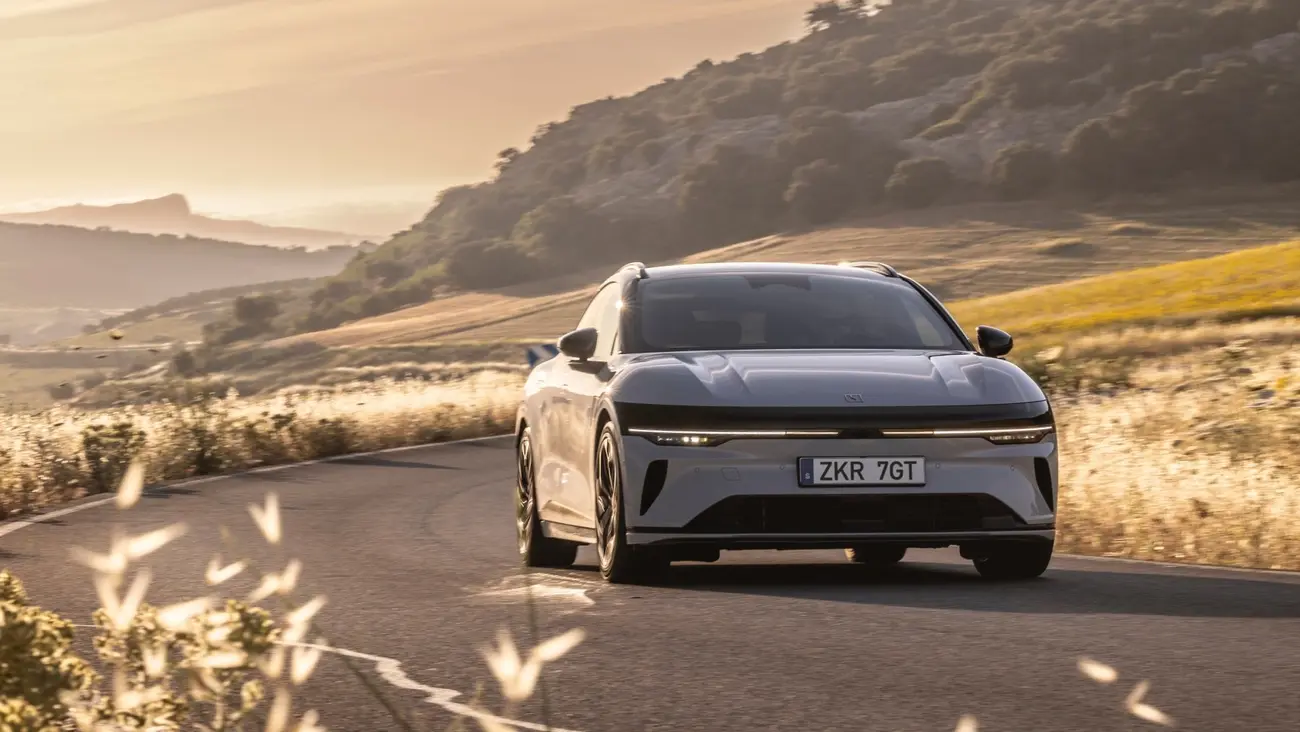
Zeekr 7GT Privilege AWD: is the 646 hp version worth it?
892 km on a single charge. That's what the Zeekr 7GT Privilege AWD managed in a real-world test at 60 km/h — putting a 2,405 kg estate on par with some of the smallest, lightest EVs ever measured. Nobody actually drives at 60 km/h, of course. The better question is this: with measured data from the motorway, the charger and the road, is the Zeekr 7GT worth it against the established German electric estates? This is our Zeekr 7GT review for Portugal, built on independent test results.
We've already covered pricing, WLTP range and the spec sheet in a separate article. Here we pull together what independent testers actually measured — constant-speed consumption, timed charging, braking, cabin noise — and how the top-spec version felt from behind the wheel. Including from the reviewer who didn't like it.
Zeekr 7GT real-world range: what the tests show
The Privilege AWD uses the 100 kWh gross battery (96.3 kWh usable) and claims 558 km WLTP, with rated consumption of 19.8 kWh/100 km. ArenaEV tested it at constant speeds on 20-inch wheels and summer tyres, at an ambient 24°C. Good conditions, in other words — expect lower numbers in winter.
60, 90 and 130 km/h: measured consumption and range
| Speed | Real consumption | Real range | ArenaEV ranking position |
|---|---|---|---|
| 60 km/h | 10.8 kWh/100 km | 892 km | 5th |
| 90 km/h | 16.5 kWh/100 km | 584 km | 9th |
| 130 km/h | 23.9 kWh/100 km | 403 km | 8th |
The 403 km at 130 km/h is the figure that matters most for motorway drivers. That's where the drag coefficient of just 0.198 earns its keep: according to ArenaEV, the 7GT covers more distance at motorway pace than many rivals, even though it isn't an outright efficiency champion.
What about Portugal's 120 km/h motorway limit? There's no direct measurement. Splitting the difference between the 90 and 130 km/h results, our estimate lands around 450 km in mild weather. In practice, Lisbon to Porto (about 310 km) is comfortable on one charge, and so is Lisbon to the Algarve. A same-day Lisbon–Porto round trip will need one stop.
Real-world consumption on a mixed route
German magazine Auto Zeitung drove the 7GT for three hours on a varied route and saw 21.4 kWh/100 km on the trip computer. That works out to roughly 467 km of real range — well short of the 558 km official figure, but an honest result for a 646 hp car weighing 2.4 tonnes. Electrifying.com and Autocar report around 2.8-3.0 miles per kWh, which translates to 450-480 km.
Bottom line: plan on 450-470 km in mixed everyday driving, and around 400 km at a brisk motorway pace.
Real-world charging: 10-80% in 17 minutes
Zeekr claims up to 480 kW peak and 10-80% in 16 minutes (The Car Expert lists 420 kW peak for the 100 kWh versions). ArenaEV measured 17 minutes from 10 to 80% on a 300 kW charger — so even without ideal hardware, it came within a minute of the promise.
For drivers in Portugal, this may be the most relevant number of all. 480 kW chargers are rare on MOBI.E, the national public charging network, but the test shows the 7GT makes good use of the fast chargers already out there. A coffee stop at a motorway service area is enough to add around 67 kWh — close to 280 km at motorway speeds.
On AC, the 22 kW onboard charger takes about 5.5 hours from 10 to 100%. On a typical home wallbox, Auto Zeitung puts it at around 11 hours — a long night, but it gets the job done.
646 hp from behind the wheel: what the reviews say
Two motors — 165 kW up front and 310 kW at the rear — combine for 475 kW (646 hp) and 710 Nm. ArenaEV timed 0-100 km/h in 3.34 seconds, matching the 3.3 s claim. Electrifying.com pointed out that's McLaren F1 hypercar pace from the 1990s, in a five-seat family estate. Under braking, ArenaEV measured 36 metres from 100 km/h to a standstill.
Most reviewers praise its composure. ArenaEV describes the handling as "composed", with body roll "remarkably well controlled". The Car Expert calls it "a very polished, quiet and effortless driving experience" — more GT than sports car. Electrifying.com highlights the active air suspension, which lowers the body at motorway speeds to improve aerodynamics.
There are recurring criticisms, though:
- Firmer ride than you'd expect, despite the air suspension.
- Light, synthetic steering in Comfort mode; better in Sport.
- Weak regenerative braking: one-pedal driving isn't practical day to day.
- No customisable Individual mode, and regen can only be adjusted through the screen.
The dissenting voice: Auto Zeitung
Not everyone came away convinced. Auto Zeitung was the harshest: despite double wishbones up front, a multi-link rear axle, active air suspension and adaptive dampers, the 7GT felt "restless over smaller bumps" and showed pronounced body movement over crests and compressions. Sport mode makes it worse.
Pushed harder, the German magazine found noticeable understeer, with the stability control struggling to manage 2.4 tonnes and a clumsy torque split. The verdict is blunt: "as a driver's car, the 7GT fails; as a premium car, it convinces."
Our take? If you want a comfortable GT for covering ground quickly, most tests say the 7GT delivers. If you're after a Porsche Taycan alternative for mountain roads, book a long test drive before you sign anything.
Interior, noise and tech: where it wins and where it grates
On this point reviewers are almost unanimous. ArenaEV calls the material quality "exceptional", with no creaks or rattles. The Car Expert describes it as "genuinely premium". Even Auto Zeitung concedes you're "undoubtedly sitting in a premium car".
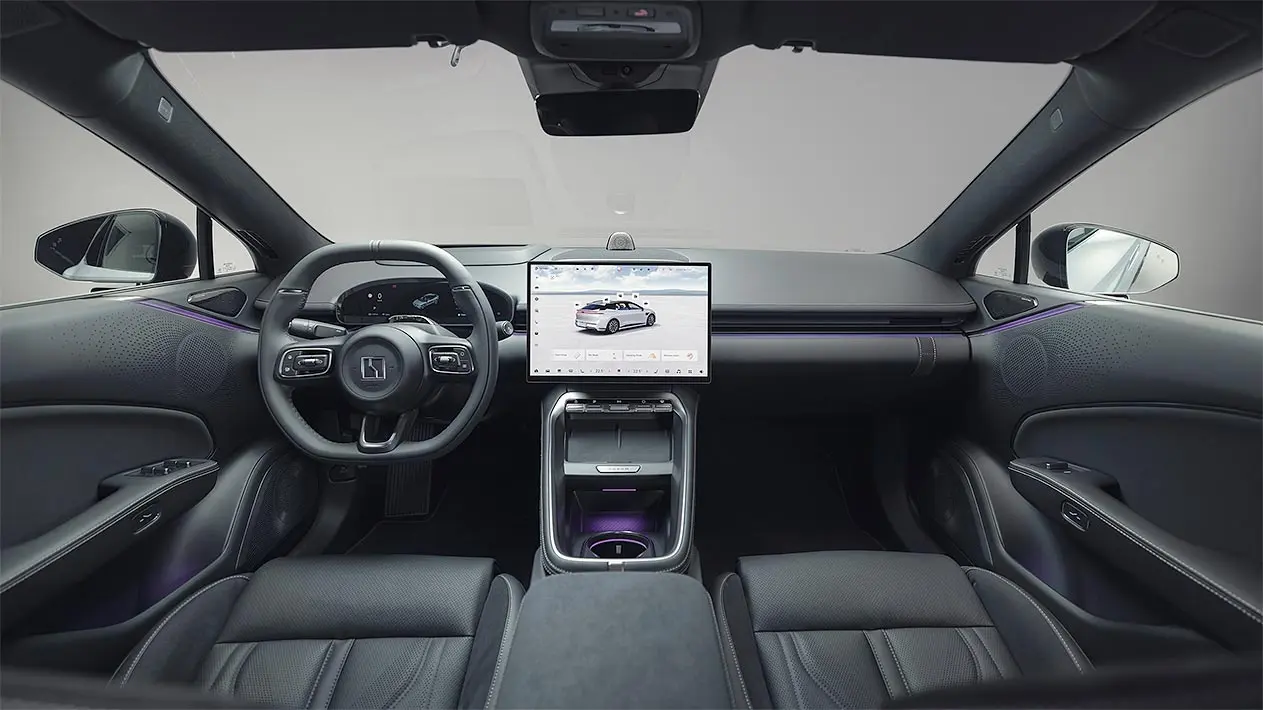
The Privilege trim brings heated, ventilated and massaging seats, powered doors, a panoramic roof, a 35.5-inch head-up display and even a speaker in the driver's headrest for private calls. In the back, legroom fits passengers up to 1.95 m tall, according to ArenaEV. For noise, the 53.8 dB measured at 60 km/h puts it mid-table among cars tested.
The complaints centre on software:
- Mirrors and steering column are adjusted via the touchscreen.
- "Overwhelming" menus, with frequently used functions buried in submenus.
- Driver assistance systems switch back on at every start, and turning them off takes several taps.
- Self-parking lacks precision.
- Foot room under the front seats is tighter than expected (The Car Expert).
On the plus side, there are handy camping, pet and rest modes, plus V2L to power external devices.
Boot space: the price of the shooting brake shape
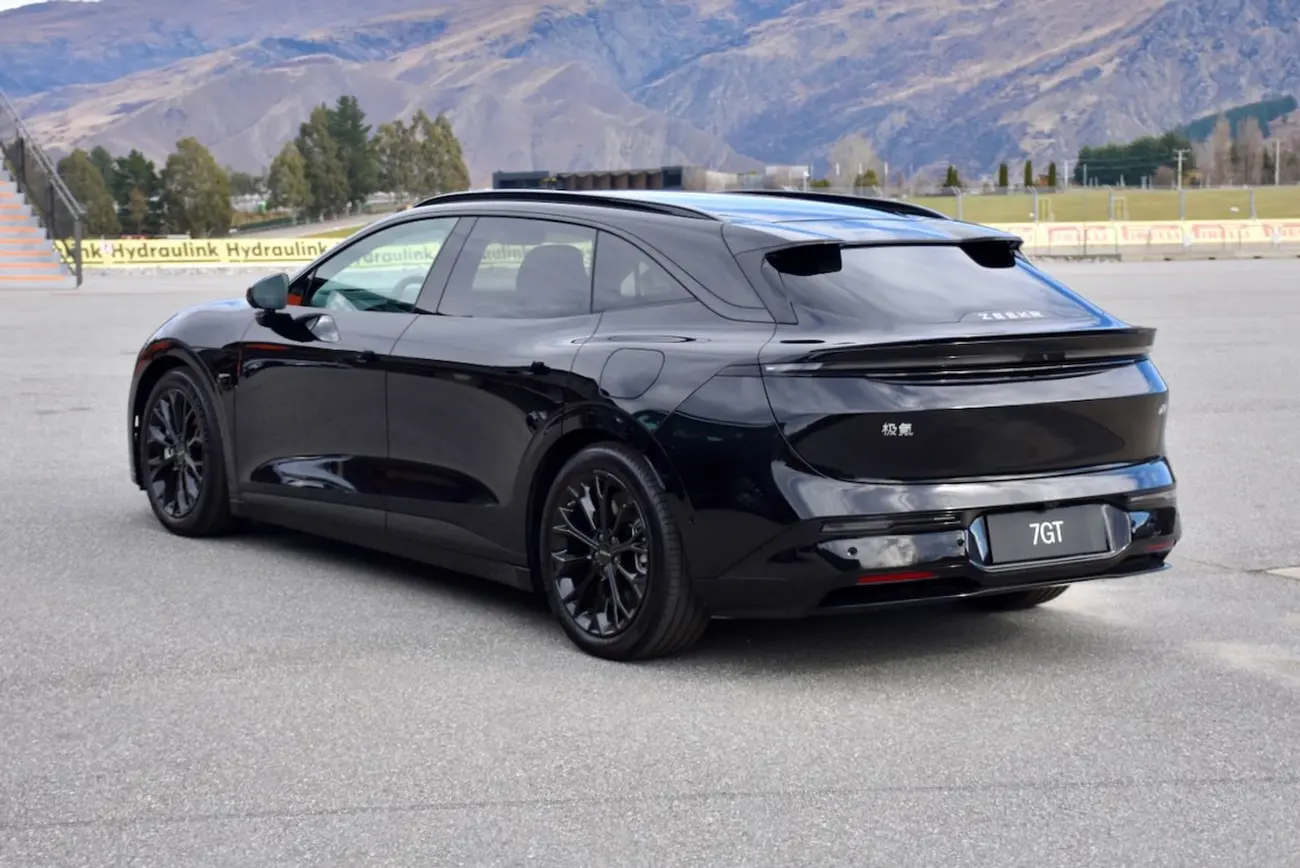
That sloping roofline comes at a cost. The 7GT's boot offers 456 litres (1,390 L with the seats folded), plus a frunk of just 32 litres on the AWD version (65 L on the rear-drive versions).
| Model | Boot (seats up) |
|---|---|
| Zeekr 7GT | 456 L |
| Mercedes CLA Shooting Brake | 495 L |
| Audi A6 e-tron Avant | 502 L |
| Volkswagen ID.7 Tourer | 605 L |
For a family in Portugal with a pushchair and suitcases for a week in the Algarve, it's enough. But if you're choosing an estate for its load space, the ID.7 Tourer offers more, and reviewers agreed the boot is "useful but not class-leading".
Privilege AWD or Long Range RWD: which to choose?
The Car Expert sums it up in one line: the Privilege AWD has "more power than most buyers need". Both that publication and Electrifying.com point to the Long Range RWD as the best-value version — it keeps the 100 kWh battery, the head-up display and the 23-speaker sound system, with 421 hp and more official range.
What the Privilege adds: 646 hp, all-wheel drive, active air suspension, 20-inch wheels, upgraded brakes, ventilated and massage seats and powered doors. What you give up: range, and around 33 litres of frunk.
The price gap isn't small either. According to figures reported by Portuguese outlets Motor24 and Guia do Automóvel, the Long Range RWD comes in at around €55,457 in Portugal and the Privilege AWD at roughly €61,959 to €63,459 — worth confirming with the brand, since the European list price puts the Privilege at €57,490 and it sells for €60,450 in Germany. As a fully electric car, the 7GT is exempt from ISV (Portugal's vehicle registration tax), and company buyers may also benefit from EV tax advantages, depending on the final price.
Zeekr 7GT: pros and cons
For:
- Supercar acceleration (3.34 s measured) with GT comfort.
- Competitive real motorway range: 403 km at 130 km/h.
- 10-80% charging in 17 minutes, even on a 300 kW charger.
- Build quality on par with the Germans.
- 5-star Euro NCAP (2026 protocol), with 93% for crash protection.
- 5-year/100,000 km warranty, plus 8 years/200,000 km on the battery.
Against:
- Small boot for an estate (456 L).
- Too many functions tied to the touchscreen.
- Firm ride and, according to Auto Zeitung, unconvincing when driven hard.
- Weak regenerative braking.
- A brand still little known in Portugal, with a service network that's still growing.
Frequently Asked Questions
There is no direct 120 km/h measurement, but ArenaEV's constant-speed test recorded 584 km at 90 km/h (16.5 kWh/100 km) and 403 km at 130 km/h (23.9 kWh/100 km) at 24°C on 20-inch wheels. Interpolating, the Privilege AWD should manage around 450 km at Portugal's motorway limit, versus 558 km WLTP. Expect 15-25% less in winter, which still covers a Lisbon–Porto run (about 310 km) without stopping.
On a three-hour mixed route, Auto Zeitung measured 21.4 kWh/100 km in the Privilege AWD, above the official 19.8 kWh/100 km. At a Portuguese home tariff of roughly €0.20/kWh, that works out to about €4.30 per 100 km, rising considerably if you rely on MOBI.E fast chargers. At 60 km/h, consumption drops to just 10.8 kWh/100 km thanks to the 0.198 drag coefficient.
Zeekr claims 16 minutes for 10-80% on a 480 kW charger, and ArenaEV measured 17 minutes on a 300 kW unit, thanks to the 800 V architecture. On AC, the 22 kW onboard charger takes about 5.5 hours from 10 to 100%, while a typical home wallbox needs around 11 hours according to Auto Zeitung.
The Long Range RWD keeps the 100 kWh battery, head-up display and 23-speaker audio, with 421 hp and more range, and is rated the best-balanced version by The Car Expert and Electrifying.com. The Privilege AWD adds 646 hp, all-wheel drive, active air suspension, ventilated massage seats and powered doors, but gives up range and 33 litres of frunk space. In Portugal, the reported price gap is around €6,500-8,000, pending official confirmation.
The Zeekr 7GT offers 456 litres (1,390 L with the seats folded) plus a 32-litre frunk on the AWD version, trailing the Audi A6 e-tron Avant (502 L), Mercedes CLA Shooting Brake (495 L) and especially the VW ID.7 Tourer (605 L). In return, it outperforms most of these rivals on acceleration (3.34 s measured 0-100 km/h) and charging speed. It also has a 5-star Euro NCAP rating (2026) and an 8-year/200,000 km battery warranty.
Verdict: who the Zeekr 7GT Privilege AWD makes sense for
The measured numbers confirm the essentials. The Zeekr 7GT is a fast, well-built premium electric estate with class-leading charging, able to cover 400 km on the motorway and add 70% of its battery during a coffee break. ArenaEV calls it "exceptional bang for the buck"; The Car Expert and Electrifying.com both score it 8/10.
So, is it worth it? If you want an alternative to the Audi A6 e-tron Avant or BMW i5 Touring without paying German prices, yes — provided you can live with a smaller boot and an interface that tests your patience. The Privilege AWD itself only makes sense if the 646 hp and extra kit are a priority. For most drivers in Portugal, the Long Range RWD looks like the smarter pick, and it's worth waiting for the first independent tests of that version on real roads.