
Dacia Electric Cars in Portugal: Four EVs Coming by 2030, from €18,000
Published: 08/06/2026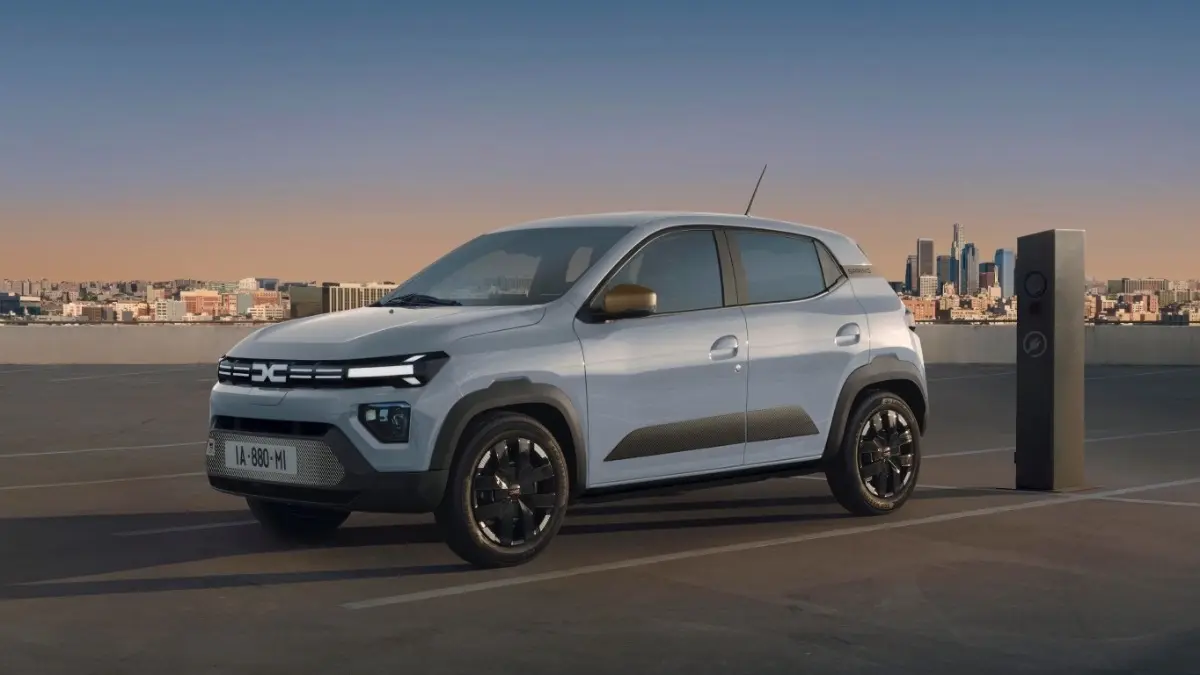
Four EVs by 2030: Dacia's plan to make electric affordable
Dacia will launch four fully electric cars by 2030. And the first one costs less than €18,000. For a brand built on selling simple, cheap cars, this is the biggest step in its history — and it lands at a moment when price is still the main reason people in Portugal hesitate to go electric.
The plan is part of Renault Group's "futuREady" strategy, and the logic is pure Dacia: modest batteries, already-paid-for platforms, and equipment stripped to the essentials. No huge ranges, no endless screens. The goal is for Dacia electric cars to make up around 67% of the brand's sales by 2030, up from roughly 25% today. Here's what's coming.
The Dacia Spring successor arrives in 2026
The first of the four is a city EV that the French press already calls the "Evader," though Dacia officially still refers to it as the "yet-unnamed model." This is the car that will gradually replace the Dacia Spring, currently built in China.
Two things matter here. First, it stops being a Chinese car: it moves to Dacia's Novo Mesto plant in Slovenia, riding on the AmpR Small platform (the same one under the new Renault Twingo E-Tech). It was developed in under 16 months. Second, it adopts a small-SUV shape at under 4 metres — much closer to what today's market wants than the Spring's plain hatchback silhouette.
The key numbers:
| Specification | Value |
|---|---|
| Battery | 27 kWh |
| Range | ~240 km (WLTP) |
| Length | under 4 metres |
| Starting price | ~€18,000 |
| Price with incentives | ~€13,000 |
| Reveal | Paris Motor Show, autumn 2026 |
The 27 kWh battery is deliberately small. It works out to roughly 240 km of range — not enough for a Lisbon-Porto run in one go, but more than enough for daily city use. And that's exactly the point: Dacia isn't trying to sell you a car for every journey, it's selling you a second electric car that doesn't wreck your budget.
What it actually costs in Portugal
The ~€18,000 starting price already puts it among the cheapest new EVs you'll be able to buy. With Portugal's EV purchase incentives — which have changed year to year — the figure can drop to around €13,000. On top of that, electric cars are exempt from ISV (the vehicle registration tax) and pay reduced IUC (annual road tax), which makes ownership noticeably lighter on the wallet than an equivalent petrol city car.
If you've been waiting for the Dacia Spring successor purely on price, it's worth following: the reveal is this autumn, in 2026.
The electric Dacia Sandero arrives in 2027 — with a twist first
The Sandero was Europe's best-selling passenger car in both 2024 and 2025. The fourth generation, due around 2027-2028, will be its most complete ever in powertrain terms: petrol, LPG, hybrid, and — for the first time — fully electric.
There's a detail here that catches people off guard. Before the electric version, the Sandero will debut mild-hybrid power — a first in the model's career. In other words, the Sandero's electrification happens in stages, and the electric Dacia Sandero only arrives after that intermediate step.
Technically, two scenarios are on the table: electrifying the current CMF-B platform, or adopting the AmpR Small architecture from the new Renault 5 E-Tech. The two share around 70% of their components, so the decision is more about cost than engineering. Dacia CEO Katrin Adt was blunt about the positioning: "It will remain a value-for-money champion."
The other two EVs: a 3-metre mini and a C-segment model
The two remaining models are less defined, but they show the scale of the ambition.
- A mini urban EV derived from the Hipster concept: just 3 metres long, four seats, and around 100 km of range. It's tied to the EU's upcoming M1E "small EV" regulatory class and isn't expected to reach production before the end of the decade. A price indication floated for the concept sits around €14,990.
- A C-segment EV: bigger and pricier, linked to the new Bigster SUV and the Striker crossover-wagon (which may use a range extender). It targets buyers willing to spend over €30,000.
The full four-model picture:
| Model | Segment | Battery | Range | Price (from) | Launch |
|---|---|---|---|---|---|
| Evader (Spring successor) | A/B SUV | 27 kWh | ~240 km | H2 2026 | |
| Sandero 4 electric | B | n/a | n/a | "value-for-money champion" | ~2027-2028 |
| Mini (Hipster-based) | A | small | ~100 km | ~€14,990 (concept indication) | end of decade |
| C-segment EV (Striker/Bigster) | C | n/a (range extender) | n/a | over €30,000 | by 2030 |
A note on the names: "Evader," "Sandster," and "Striker" appear in the French press, but not all are confirmed by Dacia. Treat them as provisional.
Frequently Asked Questions
Dacia will launch four fully electric models by 2030 as part of the Renault Group's "futuREady" plan. The goal is for electrified vehicles to make up around 67% of the brand's sales by 2030, up from roughly 25% today. The four models range from a small city car to a C-segment SUV.
The first of the four EVs — the Dacia Spring successor, dubbed "Evader" by the French press — will be revealed at the 2026 Paris Motor Show in autumn 2026, with launch expected in the second half of 2026. It will be built in Slovenia (no longer in China) on the AmpR Small platform shared with the new Renault Twingo E-Tech. Exact Portugal availability will depend on Dacia's local commercial rollout.
The Spring successor is expected to start at around €18,000, placing it among the cheapest new EVs on sale. With Portugal's EV purchase incentives, the price could drop to around €13,000. Add the ISV tax exemption and reduced IUC road tax that EVs enjoy, and the total cost of ownership is noticeably lighter than an equivalent petrol city car.
The electric city car uses a deliberately small 27 kWh battery, giving roughly 240 km (about 150 miles) of WLTP range. It won't cover a Lisbon-to-Porto trip on a single charge, but it is more than enough for daily urban use — exactly what it was designed for. Dacia's strategy is modest batteries that keep the price down rather than chasing big range figures.
The fourth-generation Sandero is due around 2027-2028 and will be the first to offer a fully electric version alongside petrol, LPG and hybrid. Before the EV, the Sandero will debut mild-hybrid power, so the electric variant comes after that intermediate step. As Europe's best-selling car in 2024 and 2025, CEO Katrin Adt promises it will remain the "value-for-money champion," making it one to watch for buyers seeking an affordable EV.
Why Dacia can do what others can't
Dacia's philosophy is the opposite of the rest of the industry's tech race. Instead of bigger batteries and more range, the brand leans on modest batteries, already-paid-for platforms, and essentials-only equipment. The result, by its own account, is a cost advantage of around 15% over rivals.
The loyalty figures help explain the confidence: more than 70% of European Dacia buyers come back for another Dacia, and 65% of first-time Dacia customers come from outside the Renault Group. These are people who want a car that works, without paying for what they don't use.
For the Portuguese buyer, the takeaway is simple. Affordable electric cars in Portugal are still few and far between, and Dacia is positioning itself squarely in that gap. If price has always been your reason to hold off, the next four years will hand you options that don't exist today. The first real test is this autumn in Paris — and it's worth keeping an eye on the final prices for Portugal.