
EU China Hybrid Deal: What Halving Chinese Hybrid Exports Means for Portugal
Published: 17/10/2026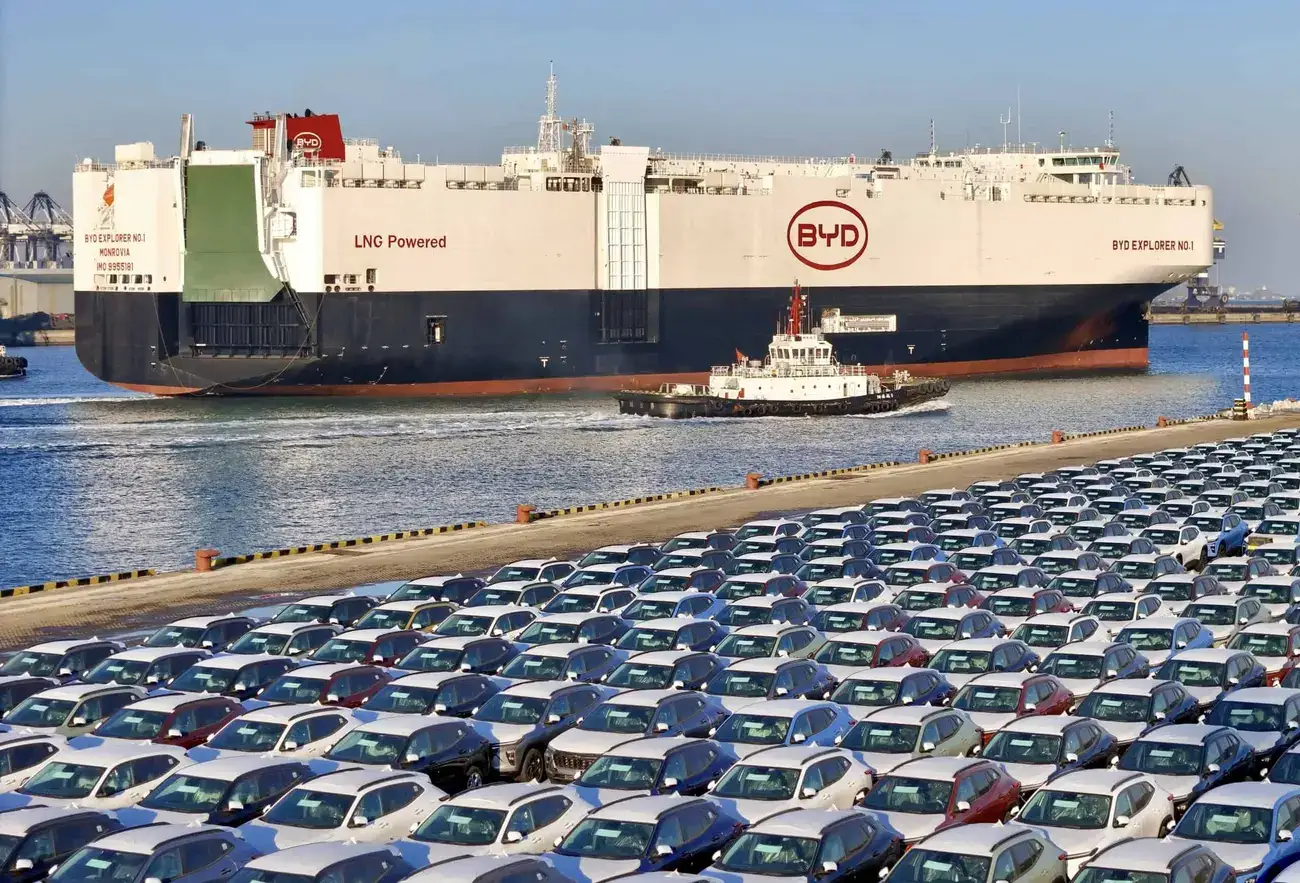
The EU China hybrid deal: what came out of Beijing
"Several million" fewer cars over four years. That is how Brussels sums up the EU China hybrid deal reached on 9 October 2026, after two days of talks in Beijing between EU Trade Commissioner Maroš Šefčovič and Chinese Commerce Minister Wang Wentao. According to Šefčovič, Chinese exports of hybrids (HEVs) and plug-in hybrids (PHEVs) to the EU will be cut by more than half.
If you're an expat in Portugal eyeing a BYD Seal U DM-i, a Jaecoo 7 or an MG HS plug-in hybrid, the obvious question is what changes at the dealership. Right now, almost nothing. But a cap on Chinese hybrid exports goes straight at the pricing logic that made these cars so popular, and it's worth understanding why.
If you read our piece on Chinese plug-in hybrid tariffs, think of this as the next chapter: instead of an anti-subsidy tariff, what's on the table now is a political understanding to slow these cars' growth in Europe.
Chinese hybrids halved — but compared with what?
Here's the detail many headlines dropped. Chinese plug-in hybrid sales are not being cut in half compared with today. When pressed by reporters, Šefčovič explained that the baseline is projected exports over the next four years, assuming nothing changed.
In practice, that's a brake on growth, not a cut to current sales. BYD, MG, Omoda and Jaecoo aren't about to vanish from Portuguese showrooms. They'll just grow more slowly than they would have without a deal.
Beijing's version is far vaguer. China's Ministry of Commerce (MOFCOM) talks only of a "shared understanding" on hybrid vehicle trade, reached "in a WTO-consistent manner". No volumes, no timeframe, no percentages. Worth remembering, too: on 18 September the same ministry called voluntary export restraints a serious violation of World Trade Organization rules.
Why Brussels wants a Chinese hybrid export cap
It all started with a loophole. In October 2024, the EU slapped countervailing duties of 7.8% to 35.3% on China-built electric cars, on top of the standard 10% import duty — a maximum of 45.3%. Hybrids were left out and kept paying just 10%.
Chinese brands got the message and switched strategy. The numbers tell the story:
| Indicator | Value |
|---|---|
| Monthly EU imports of Chinese hybrids, October 2024 | 3,800 units |
| Monthly EU imports of Chinese hybrids, July 2026 | 50,000 units |
| Value of Chinese hybrid imports, January to July 2026 | €6.69 billion (nearly triple 2025) |
| Chinese brands' share of EU PHEV market, H1 2026 (ACEA) | 25% (up from 2% in 2024) |
| Chinese brands' share of EU hybrid market, H1 2026 (ACEA) | 14% |
| Chinese share of Europe's PHEV segment, July 2026 (Dataforce) | around 34% |
Average prices fell over the same period. There are now plenty of Chinese PHEVs at around €30,000 in Europe, squeezing mid-market models from European brands.
Politics played its part as well. The EU runs a trade deficit with China of roughly €1 billion a day, and France and Germany had been pushing for tougher tools. The hybrid deal is the most visible response to that pressure.
Import quota or minimum prices: how it might work
This is the big unknown. Šefčovič didn't explain the mechanism, saying only that it would be discussed further with member states. Two routes are on the table for now:
- Import quota with an extra tariff. According to Bloomberg, the Commission was preparing a safeguard measure with a tariff-rate quota: Chinese hybrids within the quota would pay the usual 10%, while anything above it would face an additional tariff of a size not yet known.
- Minimum price undertakings. Exporters commit not to sell below an agreed price, as in the 2013 solar panel deal. That route would need an anti-subsidy investigation into hybrids, though — and none has been opened.
Either way, the underlying effect is similar: less supply, or prices with a floor. German press even compared it to the 1980s deal with Japan, where export limits went hand in hand with investment in local factories.
Will Chinese hybrids get more expensive in Portugal?
None of the sources has Portugal-specific data — Dataforce's panel even leaves our market out. So what follows is a reading of European trends, not a forecast with numbers attached.
The most likely scenario: less room for a price war. If Chinese brands face a ceiling on how many cars they can ship to Europe, or a minimum price to respect, dumping stock with aggressive discounts stops making sense. ACEA, the European carmakers' association, called this an "interim deal" that could let Chinese brands grow "in an orderly way" — and warned that China-style price wars would be "highly disruptive".
BYD Seal U DM-i, Jaecoo 7 and MG HS: who's most exposed
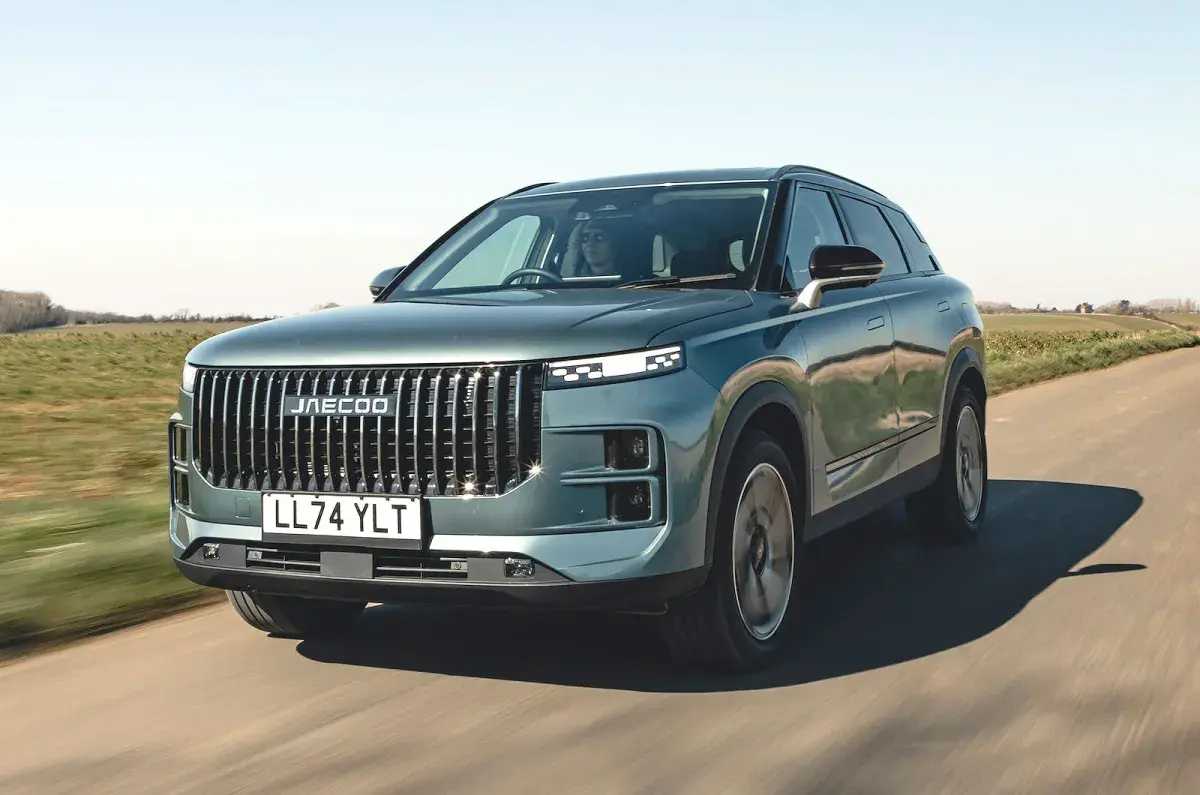
The most exposed models are the best-sellers. The BYD Seal U DM-i was Europe's best-selling PHEV in 2025 and logged 11,291 registrations in Germany alone between January and September 2026. The Jaecoo 7 became the UK's best-selling new car in September 2026, with 10,813 units. Add the BYD Atto 2 DM-i and the MG HS PHEV to the list.
Between January and July 2026, MG registered 208,009 cars in Europe, BYD 205,451 and Chery (Omoda/Jaecoo) 201,544. At those volumes, even a brake on growth forces brands to choose which models and which markets get priority.
As for the BYD Seal U DM-i price in Portugal after the deal, there's no sign of an increase yet. But if minimum prices end up being the tool, promotional discounts are the first thing to go.
What about Chinese hybrids built in Europe?
This is one of the most relevant questions — and none of the sources answers it. BYD already builds cars in Hungary and Turkey, and Chery has production plans in Spain. It would make sense for Europe-built cars to fall outside a cap on exports from China, but that hasn't been confirmed. Until the mechanism is spelled out, treat it as likely rather than guaranteed.
Does the EU China deal affect Chinese electric cars?
No. This understanding covers hybrids and plug-in hybrids only. Chinese EVs keep the 2024 countervailing duties, and talks on individual manufacturers' price undertakings carry on unchanged.
Frequently Asked Questions
No price increase has been announced yet: the 9 October 2026 deal has no defined mechanism, and Chinese plug-in hybrids still pay only the standard 10% import duty. If the EU opts for minimum prices or an extra tariff above a quota, the most likely effect is the end of aggressive discounts on models such as the BYD Seal U DM-i, Jaecoo 7 and MG HS PHEV, rather than an immediate list-price rise.
There is no start date yet. EU leaders review the package at the European Council on 15-16 October 2026, followed by a ministerial meeting in January 2027 and a third round of consultations in March 2027. Because the cap runs over four years and the mechanism (quota or minimum prices) has not been chosen, it is unlikely to have a practical effect on Portuguese dealers before 2027.
No. The understanding covers only full hybrids (HEV) and plug-in hybrids (PHEV). Battery-electric cars made in China remain subject to the 7.8% to 35.3% countervailing duties imposed in October 2024, on top of the 10% import duty, for a maximum of 45.3%, and talks on manufacturer-specific price undertakings continue separately.
According to EU Trade Commissioner Maroš Šefčovič, the deal covers Chinese exports of both full hybrids (HEV) and plug-in hybrids (PHEV). In the first half of 2026, Chinese brands already held 14% of the EU hybrid market and 25% of the PHEV market according to ACEA, up from just 2% of PHEVs in 2024. China's readout gives no figures or categories, so the details could still change.
For used buyers, the deal points towards price stability: if new-car supply is capped and discounts shrink, residual values of used Chinese PHEVs should hold up better. That is good news for sellers but makes big bargains less likely in a year or two. With many new Chinese PHEVs priced around €30,000 in Europe, always compare a nearly-new used example against the dealer offers still running on new cars.
Chinese plug-in hybrids in Portugal: 2027 is the date to watch
None of this is in force yet. Here's the known timeline:
- 15–16 October 2026 — EU leaders review the package at the European Council summit. Some want tougher measures.
- January 2027 — another ministerial meeting, probably by video conference.
- March 2027 — third round of consultations, this time in Europe.
The cap runs over four years, but with no mechanism defined it's unlikely to bite before 2027. The deal also includes trade-offs outside the car sector: China cuts tariffs on seven product lines (including car parts, olive oil and footwear), covering almost €4 billion of EU exports and saving at least €225 million in duties, and eases export licences for rare earths and magnets.
Should you buy a Chinese PHEV in Portugal now?
If you'd already made up your mind, the coming months could be a decent window: the rules haven't changed and competition among Chinese brands is still fierce. With supply more tightly managed, discounts are more likely to shrink than grow.
Shopping for a used Chinese plug-in hybrid is a different story. Less price pressure on new cars tends to prop up residual values on used ones — good news if you're selling, less so if you're hoping to grab a bargain two years from now.
Next up is the European Council on 15 and 16 October. That's where we'll find out whether the EU China hybrid deal survives as it stands — or whether Brussels decides to tighten the screws further.