
Chinese Plug-in Hybrid Tariffs in Portugal: What Buyers Need to Know
Published: 20/06/2026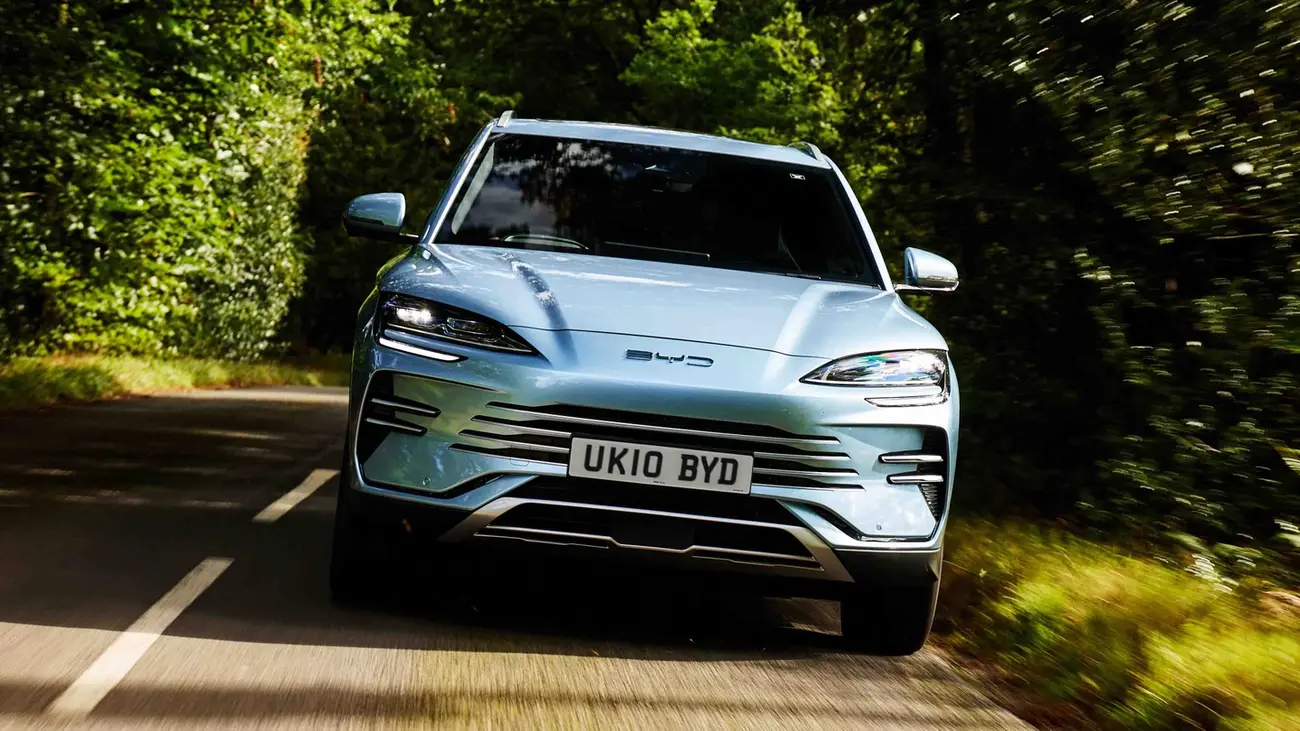
Brussels is about to close the last open door
For months, Chinese plug-in hybrid tariffs in Portugal were a hypothetical. Not anymore. The European Commission is preparing to extend its anti-subsidy tariffs — already applied to fully electric Chinese cars since 2024 — to the plug-in hybrids (PHEVs) of those same brands. BYD, MG (SAIC) and Chery are the headline names, and they happen to be the Chinese brands growing fastest in Portugal right now.
The story broke on 19 June 2026, first reported by Handelsblatt and confirmed by dpa and Reuters. The Commission declined to comment, but one detail matters: the anti-subsidy investigation is already open. That means once a majority of EU member states agree, the tariffs can take effect fast.
Why the EU wants to tax Chinese plug-in hybrids now
It comes down to a loophole. When the EU slapped extra countervailing duties on Chinese electric cars in October 2024, plug-in hybrids were left out. Chinese brands read the room and pivoted: instead of shipping taxed EVs, they started pushing PHEVs into Europe. Imports grew exponentially.
Germany tells the whole story. In May 2026, BYD became the country's best-selling plug-in hybrid brand, with 4,290 registrations. Roughly 70% of BYD's German registrations are now PHEVs — only 30% are pure electric. The EV exit door turned into the main entrance. That's the door Brussels wants to shut.
European carmakers back the move. They see Chinese PHEVs as a way for cheaper rivals to sidestep the existing tariffs, and they want it stopped before the pattern scales.
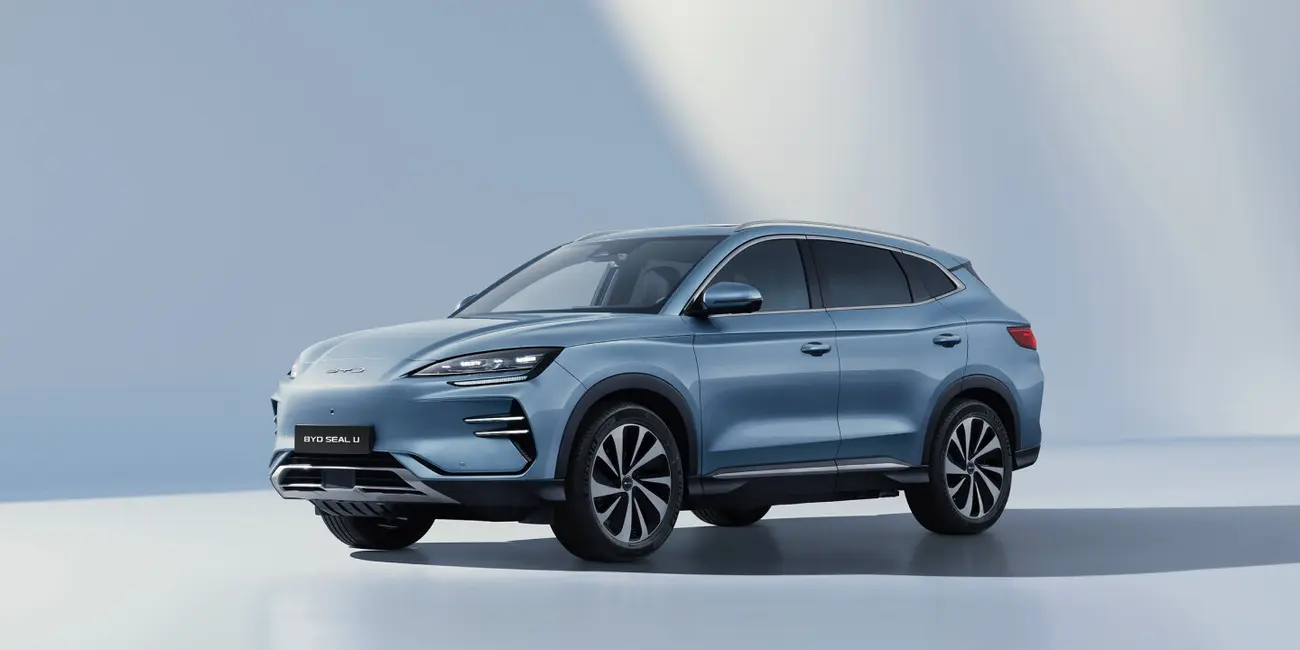
How much could Chinese plug-in hybrid prices rise
Here's the good news for buyers: the PHEV tariffs are expected to be lower on average than the EV ones. The reason is technical. In a plug-in hybrid, the battery — the part that benefits from Chinese state subsidies — makes up a smaller share of the car's value. Less relevant subsidy, less countervailing tariff.
To gauge the scale, it helps to look at what already applies to electric cars. These countervailing duties have been in force since 30 October 2024 (Regulation EU 2024/2754), for five years, and always stack on top of the standard 10% import duty:
| Manufacturer | EV tariff | Total incl. 10% import duty |
|---|---|---|
| Tesla (Shanghai) | 7.8% | 17.8% |
| BYD Group | 17.0% | 27.0% |
| Geely Group | 18.8% | 28.8% |
| Other cooperating | 20.7% | 30.7% |
| SAIC Group (MG) | 35.3% | 45.3% |
| Non-cooperating | 35.3% | 45.3% |
The PHEV rates haven't been announced yet and will be manufacturer-specific. But if they land below these figures, as expected, the hit to the sticker price of a BYD or an MG plug-in hybrid could be gentler than the table above suggests — though hardly zero.
What changes if you're buying a BYD or MG in Portugal
The practical question is blunt: will Chinese cars get more expensive in Portugal? If the measure goes ahead and the supply chain stays put, yes — any plug-in hybrid imported straight from China would carry the new tariff, and that flows into the list price.
But there are two brakes on that increase, and both are already in motion.
The first is the minimum price commitment. Instead of paying the tariff, a manufacturer can agree to sell each model above a minimum price set with Brussels. The Commission published the guidance for this mechanism in January 2026. In practice, it protects European industry's margins without inflating the consumer price the way a flat tariff would.
The second, and the more decisive one over time, is local production. A Chinese car built in Europe pays no import tariffs — it simply isn't imported. And the Chinese brands have already moved ahead:
- BYD opened a plant in Szeged, Hungary, in October 2025, and started production in Turkey in March 2026. A third site in Germany is under study.
- Chery has a European factory planned.
- Changan launched European operations in March 2025, also with factory plans.
As these cars start rolling off European assembly lines, they escape the tariffs entirely. For the Portuguese buyer, that means any price rise could be temporary and uneven: some models go up now, others hold steady because they switch origin.
Frequently Asked Questions
If the measure goes ahead, any plug-in hybrid imported straight from China would carry a new anti-subsidy tariff that flows into the list price. The PHEV rates are expected to be lower on average than the EV ones, because the subsidised battery makes up a smaller share of a plug-in hybrid's value. Brands already building cars in Europe, such as BYD, may avoid the increase entirely.
The headline names are BYD, MG (SAIC Group) and Chery — exactly the Chinese brands growing fastest in Europe through plug-in hybrids. The tariffs will be manufacturer-specific. As a reference, on electric cars BYD pays 17%, the Geely group 18.8% and SAIC/MG 35.3%, always on top of the standard 10% import duty.
In 2023 a Chinese EV averaged around 25,200 euros, roughly 16% below the average EU import, and that price advantage is what the tariffs aim to erode. For BYD, the EV tariff is 17% (27% with the 10% import duty); the plug-in hybrid rate hasn't been announced yet but is expected to land below that. BYD models already built in Hungary or Turkey escape these tariffs completely.
If you'd already settled on a Chinese plug-in hybrid imported from China, buying before the tariff lands could save you a few thousand euros, especially with brands carrying the steeper rates like MG (35.3% on EVs). But if the model you want is about to be built in Europe, it may pay to wait for the local version, which arrives without the import burden baked in. All it takes is a majority of member states to approve for the rules to change quickly.
It comes down to closing a loophole. When the EU imposed countervailing duties on Chinese electric cars in October 2024, plug-in hybrids were left out, so the brands pivoted to pushing PHEVs instead of taxed EVs. In May 2026 BYD became Germany's best-selling plug-in hybrid brand with 4,290 registrations, and roughly 70% of its German registrations are now PHEVs. European carmakers back the move to stop this workaround.
Buy now or wait?
There's no single answer, but there is a logic. The low price is exactly why these cars got this far: in 2023, a Chinese EV averaged around €25,200, roughly 16% below the average EU import. That's the advantage the tariffs are designed to erode.
If you'd already settled on a Chinese plug-in hybrid imported from China, buying before the tariff lands could save you a few thousand euros — especially with the brands carrying the steeper EV rates, like MG. If, on the other hand, you're eyeing a model that's about to be built in Europe, it may pay to wait for the local version, which arrives without the import burden baked in.
Either way, the next few months are worth watching closely. All it takes is a majority of member states to approve, and the rules change — with Portuguese showroom prices reflecting that decision before many buyers even notice.