
Zeekr 001 in Portugal: Price, Specs and Whether It's Worth Buying
Published: 25/05/2026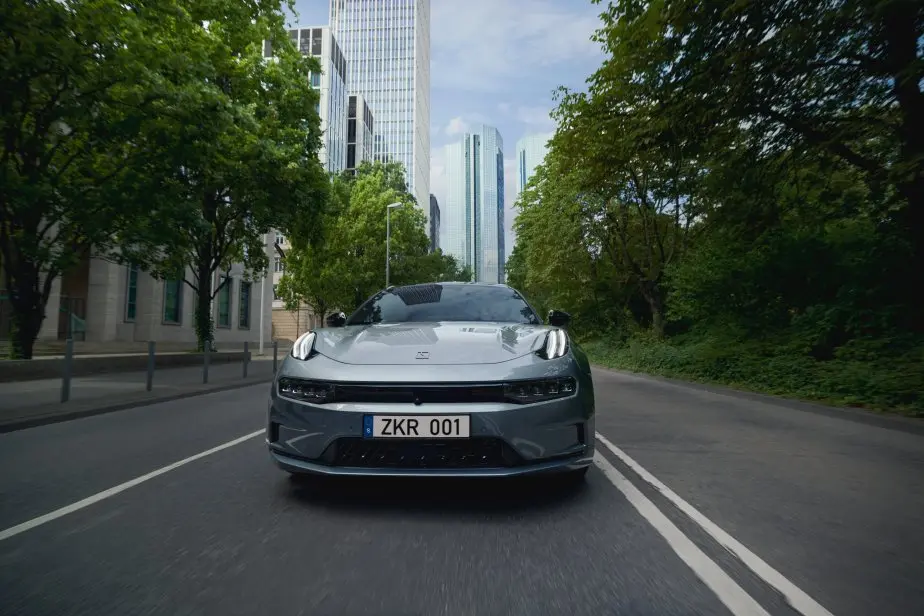
A near-five-metre electric shooting brake with Panamera looks, for under 61,000 euros
Zeekr isn't a name you'd recognise from the café. But it belongs to the Geely group — the same one behind Volvo, Polestar and Lynk & Co — and the Zeekr 001 shares its SEA platform with the Polestar 4 and Volvo EX30. In plain terms: under the premium-looking body sits European engineering that's already been road-tested. The question that matters for a buyer here is simple. The Zeekr 001 price in Portugal looks tempting, but are you buying a great car or just an attractive sticker?
The honest answer has two sides. There's plenty to like. And there are flaws nobody should ignore before signing.
What the Zeekr 001 costs in Portugal and why it matters
Zeekr launched in Germany in December 2025 and is expanding into France, Italy, Spain and the UK through 2026. Arrival in Portugal is recent and the official price isn't fully settled yet, so European figures are the best reference.
In Germany the Zeekr 001 starts at €59,990 for the Long Range RWD, rises to €65,990 for the AWD, and reaches €70,990 for the Privilege. The Netherlands base sits at €55,990. For Portugal, expect figures in the same ballpark, from around €61,000.
The comparison is the whole point. A BMW i5 starts above €74,000. A Mercedes EQE or Porsche Taycan climb higher still. The Zeekr delivers air suspension, a panoramic roof, Matrix LED headlights, a heat pump, a 22 kW onboard charger and massage seats — kit that costs thousands extra on the German rivals — at a price you'd pay for a well-equipped Volkswagen. That's the thesis: premium tech at VW-rival money.
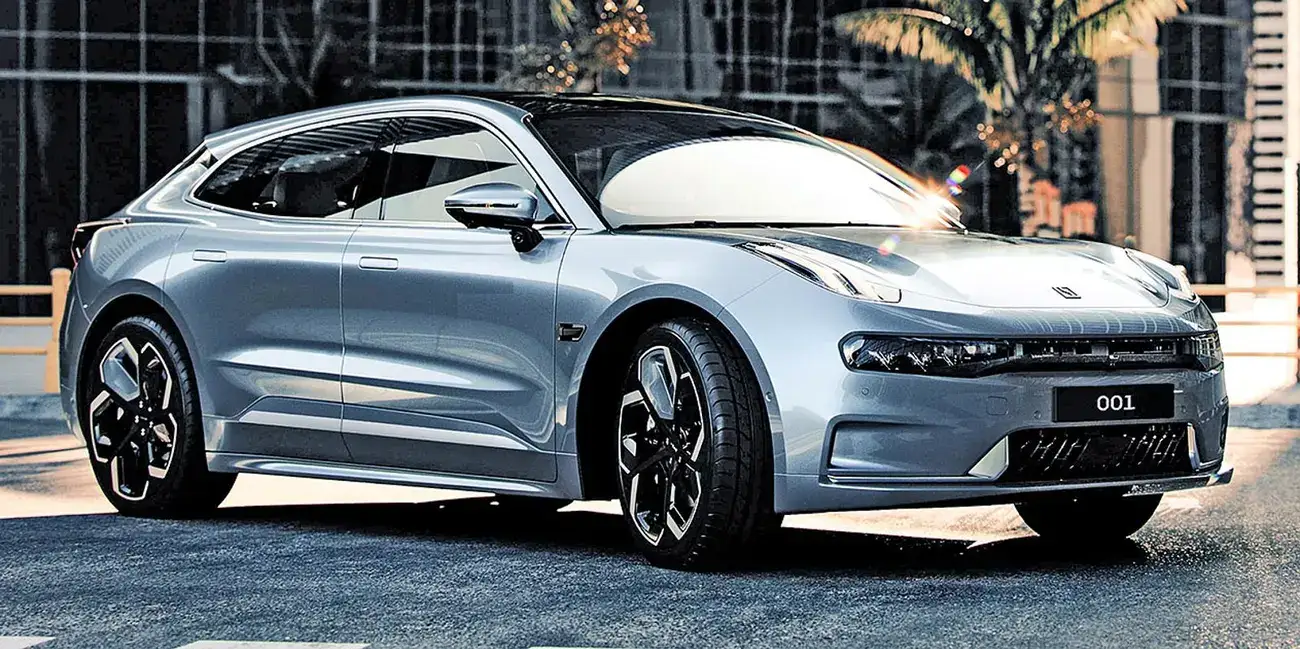
Zeekr 001 specs: a 100 kWh battery and up to 544 hp
There are two powertrains. The Long Range RWD uses a single rear motor of 200 kW (272 hp) and does 0-100 km/h in 7.2 seconds — enough for almost anyone. At the top, the dual-motor AWD delivers 400 kW (544 hp) and dispatches 0-100 km/h in 3.8 seconds. Both top out at 200 km/h.
The battery is the same in both: 100 kWh total, 94 kWh usable, CATL NMC chemistry, 400 V architecture. Here are the numbers that count:
| Specification | Long Range RWD | AWD (dual motor) |
|---|---|---|
| Power | 200 kW (272 hp) | 400 kW (544 hp) |
| Torque | 343 Nm | 686 Nm |
| 0-100 km/h | 7.2 s | 3.8 s |
| Top speed | 200 km/h | 200 km/h |
| WLTP range | 620 km | 585-594 km |
| Weight | 2,200 kg | 2,335 kg |
Dimensions: 4,955 mm long, a 2,999 mm wheelbase and a 539-litre boot (up to 2,144 litres with the seats folded), plus a 60-litre frunk up front.
Zeekr 001 real-world range: what to expect off paper
The RWD's 620 km WLTP figure is the best-case scenario. In real life, EV Database puts combined range at about 505 km — a solid number. The detail most articles skip: on the motorway in cold weather, range drops to around 365 km. In town and mild conditions, it rises to 725 km.
For typical Portuguese use that means a Lisbon-Porto run (about 310 km) without any anxiety, even in winter. For the Algarve at the height of summer, with the air-con on and cruising speeds, plan one charging stop on the way down.
And charging is quick. On DC the 001 accepts up to 200 kW, doing 10-80% in roughly 30 minutes — the length of a coffee and a service-station break. On AC, the standard 22 kW charger (rare in this class) fills the battery from 0 to 100% in about 5h15, ideal for overnight charging at home or the office.
What the Zeekr 001 does well
The interior is its strongest argument. Quality materials, rose-gold detailing, Alcantara sections on the dash and few hard plastics. German testers singled out a bluish colour scheme that's "discreet and more interesting" than the usual black, and a warm-sounding Yamaha audio system. The front seats are excellent for long trips, with climate control and massage.
The driving, in the main, pleases. Power delivery is "linear, powerful and very controlled — almost like a strong naturally aspirated engine," per VISION mobility. The steering is well-weighted and the braking progressive. At a relaxed cruise, it's quiet and comfortable.
Then there's the support network: 8 years or 200,000 km battery warranty, 5 years on the vehicle (up to 10 if servicing stays within the Zeekr network). The brand is rolling out service centres across Europe at pace. ISV and IUC — Portugal's purchase and annual road taxes — are also lighter on EVs, which sweetens the running-cost case.
Zeekr 001 flaws: the "several defects" you shouldn't ignore
This is where honesty earns its keep. The original review's headline — "the premium electric at a Volkswagen price that hides several defects" — isn't an exaggeration.
The biggest gripe is the 15.4-inch screen. Basic functions, like mirror adjustment, are buried in deep menus. There's no split-screen, and navigation directions vanish when you open other functions. The capacitive steering-wheel controls are "imprecise and cumbersome."
Second is the driver assistance: 21 systems that warn, in testers' words, "very quickly and very intensely," with unpleasant tones. The indicators are notoriously loud. It's the sort of thing that wears you down after a week.
The suspension divides opinion. The air setup (on higher trims) soaks up bumps well, but is too comfort-biased for European taste, lacking firmness even in Sport. The standard passive suspension gets bouncy over larger bumps. The transition between braking and regen isn't always well harmonised at higher speeds.
Finally, the width: 2.22 m including mirrors makes the 001 tricky on narrow streets and tight car parks — worth weighing if you live near a Portuguese historic centre. And the 539-litre boot, while practical, is modest for a car of nearly five metres.
Frequently Asked Questions
The official Portuguese price isn't fully settled yet, but European figures give a solid reference: in Germany the Zeekr 001 starts at €59,990 for the Long Range RWD, rises to €65,990 for the dual-motor AWD and reaches €70,990 for the Privilege (the Netherlands base sits at €55,990). For Portugal, expect figures from around €61,000. The selling point is the comparison: a BMW i5 starts above €74,000, so the Zeekr is at least €13,000 cheaper while offering more standard equipment.
The RWD's 620 km WLTP figure is the best-case scenario; in real life EV Database puts combined range at about 505 km. The detail most articles skip is that on the motorway in cold weather range drops to around 365 km, while in town and mild conditions it rises to 725 km. In practice, a Lisbon-Porto run (about 310 km) is comfortable even in winter.
On DC, the Zeekr 001 accepts up to 200 kW and does 10-80% in roughly 30 minutes — the length of a coffee at a service station. On AC, the standard 22 kW onboard charger (rare in this class) fills the 100 kWh battery from 0 to 100% in about 5h15, ideal for overnight charging at home or the office.
The BMW i5 offers dynamic polish, a more resolved interface and brand prestige, but costs at least €13,000 more. The Zeekr 001 delivers more standard kit (air suspension, panoramic roof, heat pump, massage seats), matching range and equal or stronger performance. If you want the badge and predictable resale, the German still makes sense; if you look at the equipment sheet and price, and can live with irritating software, the Zeekr is one of the best value propositions in today's EV market.
European reviews are consistent in their criticism: the 15.4-inch screen buries basic functions (like mirror adjustment) in deep menus and has no split-screen; the 21 driver-assistance systems warn too quickly and intrusively, with loud indicators; the suspension is too comfort-biased for European taste; and the 2.22 m width including mirrors makes it tricky on narrow streets and tight car parks in historic centres. The 539-litre boot is also modest for a car of nearly five metres.
Zeekr 001 vs BMW i5: the real question
If your budget points at an executive EV, the Zeekr 001 forces an uncomfortable decision. The BMW i5 offers dynamic polish, a more resolved interface and brand prestige — but costs at least €13,000 more. The Zeekr delivers more standard kit, matching range and equal or stronger performance, at the price of a well-equipped mainstream car.
The choice comes down to what you value. If you want the badge, the detail polish and predictable resale, the German still makes sense. If you look at the equipment sheet and the price, and you can live with irritating software, the Zeekr 001 is one of the best value propositions in today's EV market.
Chinese electric cars already account for about 5.1% of the European market, and Zeekr is among the more credible names in that wave. It's worth watching for the confirmed official price in Portugal and the first incentives — but the 001 already shows the premium-EV conversation is no longer a German monopoly.