
VW Amarok electric pickup: when it's coming to Portugal
Published: 25/07/2026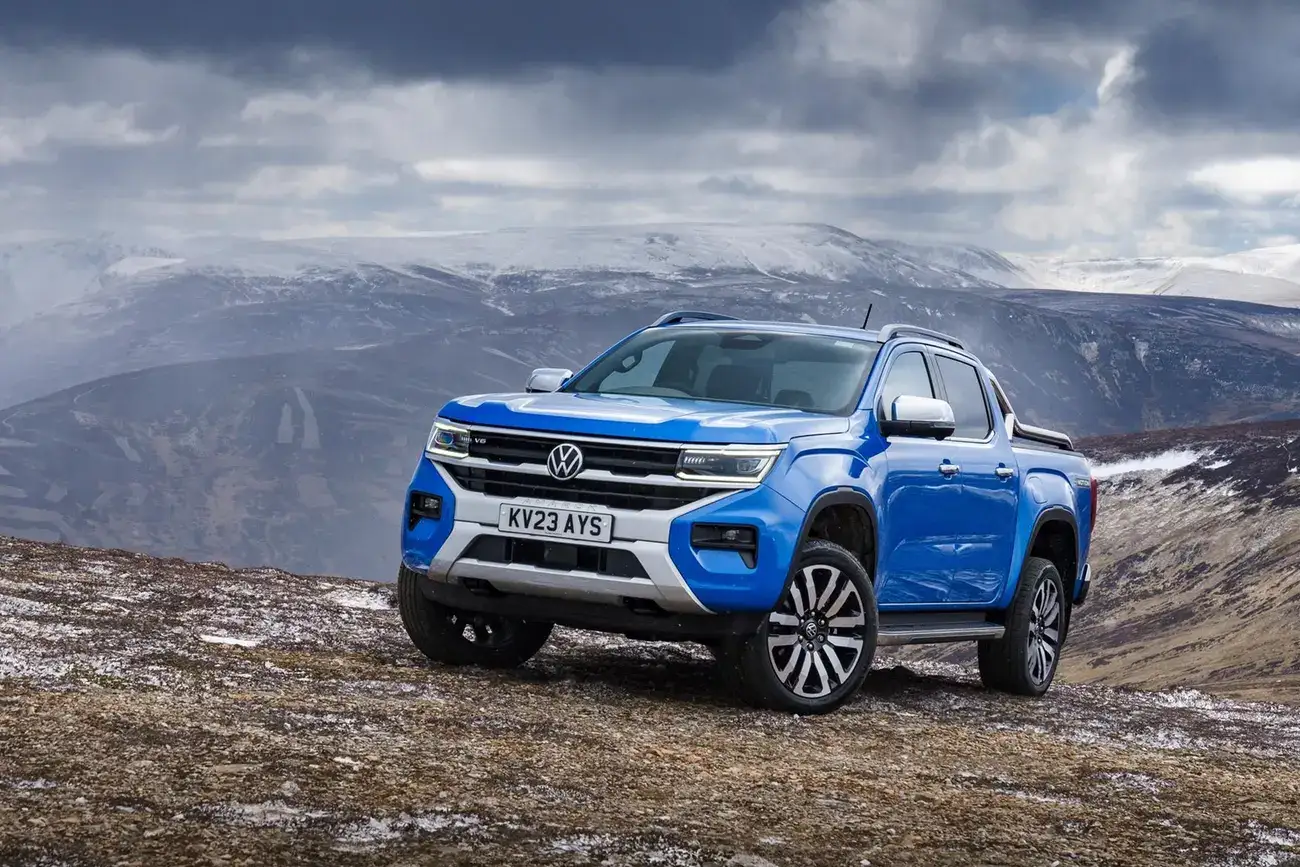
VW Amarok electric pickup: when it's coming to Portugal
Volkswagen just reversed course. Back in November 2025, the brand shelved plans for an electrified Amarok — too soon, it said, to justify the investment. Eight months on, the picture has flipped entirely: the third-generation Amarok will arrive with a fully electric version after all, confirmed Stefan Mecha, head of Volkswagen Commercial Vehicles.
"For the competitiveness of this product, you need this flexible drivetrain strategy, which comprises PHEVs and also electric vehicles," Mecha said. That single line sums up the shift in VW's thinking about an electric pickup truck that, until recently, looked off the table.
What we actually know about the new electric Amarok
The third-generation Amarok is expected between 2029 and 2030 — not before. The timing isn't random: it lines up with the end of Volkswagen's current manufacturing partnership with Ford, which builds the current Amarok at its Silverton plant in South Africa, sharing the T6.2 platform with the Ford Ranger.
What's still unresolved is exactly that technical base. Volkswagen is "busy talking to Ford to see how we can bring the Amarok into the future," in Mecha's words, but nothing is finalized. In parallel, VW is exploring alternatives with Chinese automaker SAIC, whose Terron 9 platform (also used by the Maxus Terron 9) will already underpin the South American Amarok, built in Pacheco, Argentina, starting in 2027.
On the actual specs of the future electric Amarok — battery size, range, power, price — Volkswagen hasn't said a word. It's too early even for the brand itself to know.
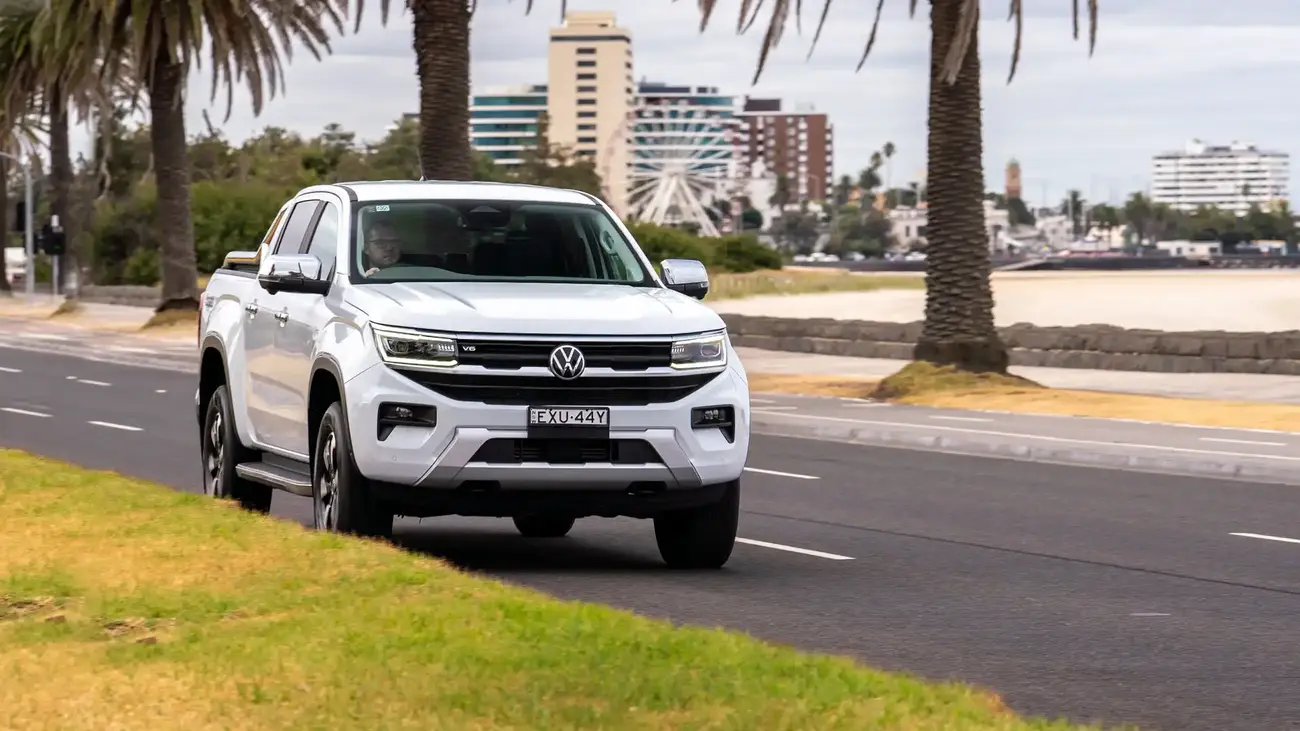
Why Volkswagen changed its mind
This U-turn didn't happen in a vacuum. A year ago, the Amarok was mostly under price pressure — Chinese brands entering the segment with cheaper electrified pickups. Now that pressure has a second engine behind it: emissions regulation.
In Australia, where the Amarok carries real weight in fleet sales, the New Vehicle Efficiency Standard (NVES) is tightening CO2 limits step by step — from 180 g/km in 2026 down to 110 g/km by 2029. The current V6 diesel Amarok emits 222 g/km. Without an electrified variant, hitting those targets gets harder every year. In the EU, pressure on average commercial fleet emissions follows a similar logic, even if the numbers differ.
Add Chinese competition to that picture and it's complete: the BYD Shark 6 (PHEV) is already on sale in Europe and Australia, and the KGM Musso EV and Maxus eTerron — both fully electric — already have pricing in Germany. Volkswagen suddenly found itself the only major player in the segment with no electrified option at all. Mecha's "flexible drivetrain strategy" is, at bottom, a response to that gap.
What this means if you're buying in Portugal
For now, nothing changes on dealer lots. The current Amarok stays diesel-only — Volkswagen has confirmed it won't electrify this generation. Anyone who needs a pickup today is still buying a diesel engine, with no plug-in hybrid or electric version in sight.
That leaves Portugal with a multi-year wait before an electric Amarok reaches our roads — and that's assuming Volkswagen decides to bring it to the European market at all, something the brand hasn't explicitly confirmed yet.
In the meantime, the Portuguese market already has electrified pickup alternatives for buyers looking to cut their carbon footprint. The KGM Musso EV, for instance, runs around €42,000 in Germany — a useful reference point for where this category might land in Portugal, though the final price will always depend on ISV (Portugal's vehicle tax) and other charges that apply to commercial vehicles. The Maxus eTerron, also fully electric, costs around €63,000 in the same market. For comparison, the current diesel Amarok starts at €59,999 in Germany in all-wheel-drive trim — a useful benchmark for where Volkswagen will need to price the future electric version to stay competitive.
Worth noting: for commercial vehicles like the Amarok, the usual EV tax perks for passenger cars — ISV exemption, IUC (Portugal's annual circulation tax) benefits — apply differently, so it's worth checking the current rules with the tax authority at the time of purchase.
Frequently Asked Questions
Volkswagen has confirmed the third-generation Amarok will include a fully electric version, expected between 2029 and 2030 — timing that lines up with the end of VW's current manufacturing partnership with Ford. The brand hasn't explicitly confirmed yet whether this electric version will reach the European market, including Portugal.
Volkswagen hasn't released any technical details on the electric Amarok — no battery size, no range figure, no power output. The underlying platform isn't settled either, since VW is still negotiating with Ford while also exploring the Terron 9 platform from Chinese automaker SAIC.
No. Volkswagen has confirmed the current-generation Amarok, built with Ford in South Africa, will remain diesel-only. Electrification is reserved for the third generation, expected in 2029-2030.
Until the electric Amarok arrives, the European market already has electrified alternatives such as the KGM Musso EV (around €42,000 in Germany) and the Maxus eTerron (around €63,000 in Germany), both fully electric, plus the BYD Shark 6 as a plug-in hybrid. These figures are reference points only — the final price in Portugal always depends on ISV and other charges that apply to commercial vehicles.
Just eight months earlier, in November 2025, Volkswagen had shelved electrification plans for the Amarok, calling the investment premature. The reversal comes from two combined pressures: Chinese brands entering the segment with cheaper electrified pickups, and tightening emissions regulation such as Australia's NVES standard, which cuts the CO2 limit from 180 g/km in 2026 to 110 g/km by 2029.
An electric pickup that still exists mostly on paper
The electric Amarok is, right now, more intention than product. No battery, no range figure, no price — just a confirmed strategy and a wide launch window, 2029 to 2030. But the message is clear: Volkswagen no longer treats pickup electrification as optional.
If you're in Portugal weighing a pickup purchase over the next few years, the equation stays simple for now — diesel is the only Volkswagen option on the table. Worth keeping an eye on the brand's next moves on the final platform, and above all, on whether the electric version actually makes it to Europe.