
Stellantis E-Car: the 15,000-Euro Electric That Resets Europe
Published: 21/05/2026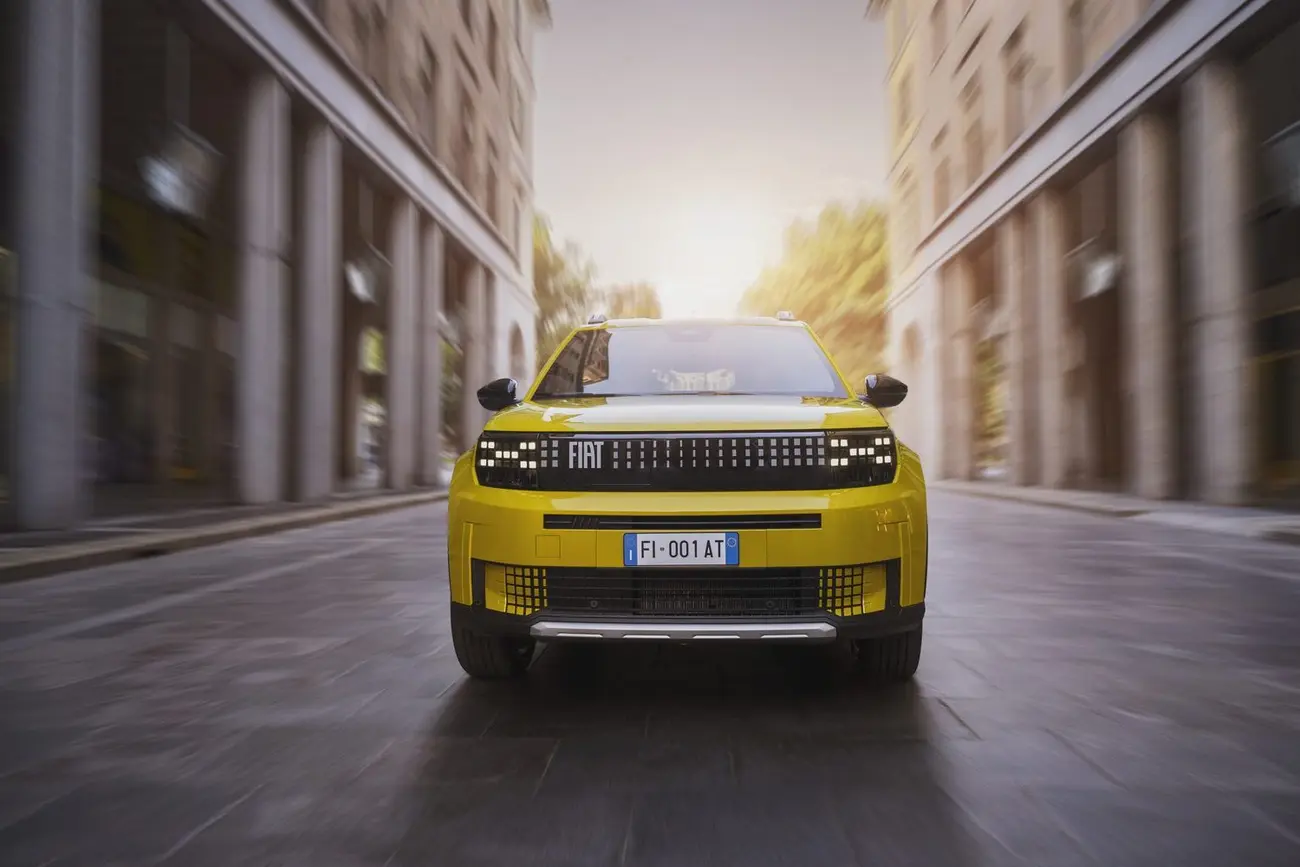
Stellantis E-Car: the 15,000-euro electric that resets the European playbook
A new electric car for 15,000 euros, built in Italy, sold under badges like Fiat, Citroen, Opel and Peugeot. A year ago it sounded like fantasy. On Monday, 19 May 2026, Stellantis made the E-Car project official and put a factory and a date on the table: production at Pomigliano d'Arco from 2028.
The Italo-French group admits what buyers already knew. "Cars below 15,000 euros no longer exist in Europe," said Stellantis CEO Antonio Filosa at the announcement. The E-Car is the answer — a single platform serving multiple brands across the group, aimed at reviving the A-segment that almost every European maker walked away from a decade ago.
What the E-Car project actually is
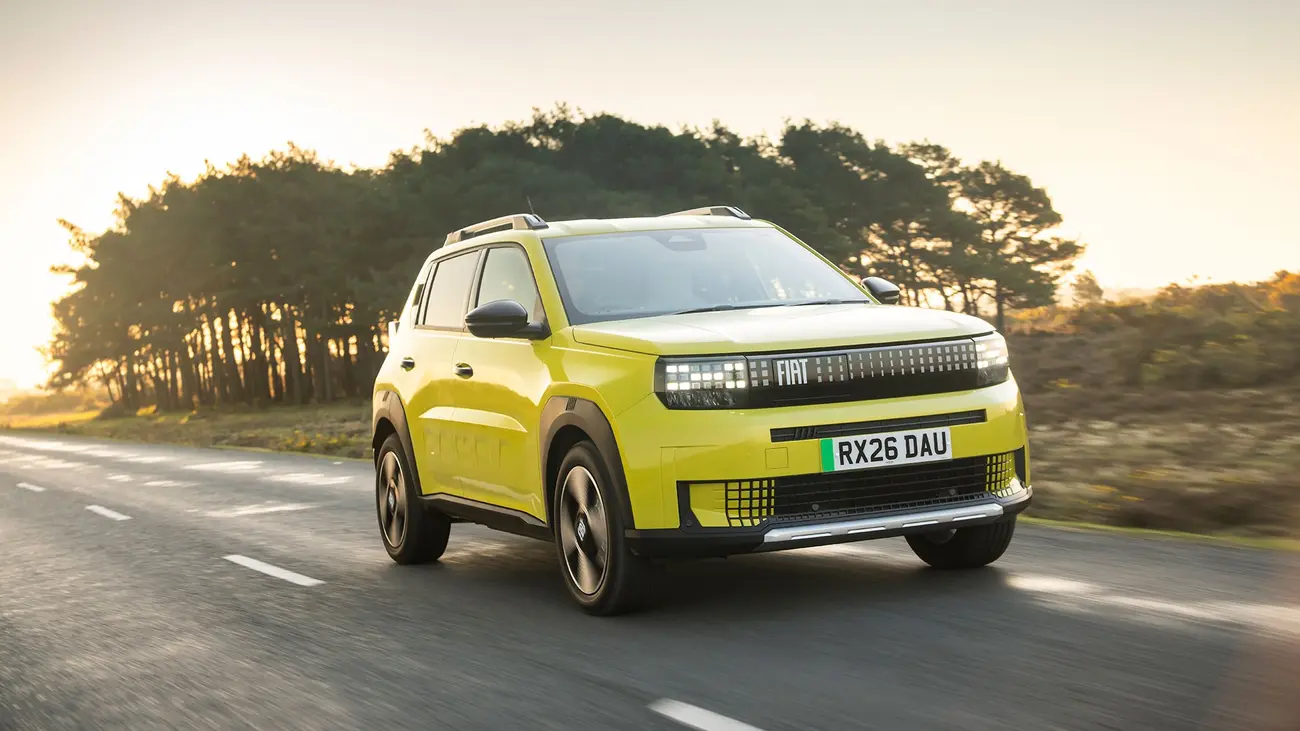
E-Car stands for European, Emotion, Electric, Environmental friendliness. The acronym matters less than the strategy: a sub-4.2-metre city EV, fully developed and built in Europe, shared between Fiat, Citroen, Opel and Peugeot. A revived Fiat Panda EV is the most-tipped first product, though Stellantis has not confirmed any commercial names yet.
The headline is the price. Around 15,000 euros (roughly 17,500 dollars) at a time when the cheapest EV on sale in Portugal — the Dacia Spring — starts at 17,000 euros, and the upcoming Dacia twin of the Renault Twingo is expected to land around 18,000 euros after its Q2 2026 reveal. If Stellantis hits the target, the E-Car will sit clearly below the direct competition.
The M1E category and CO2 super-credits
The E-Car sits inside the EU's new M1E category, designed for European-built EVs under 4.2 metres. The rules are locked for ten years, which gives manufacturers the planning certainty needed to invest in a new factory and platform. Vehicles in this category also earn CO2 super-credits that ease overall fleet emissions targets.
The inspiration is openly stated: Japan's kei car system, which kept small, efficient, affordable city cars alive for decades. John Elkann, Stellantis chairman, has publicly pushed for a European version of this approach for years.
Pomigliano: a southern Italian industrial bet
Production starts in 2028 at Pomigliano d'Arco in Campania. The plant currently builds the Fiat Panda and the Alfa Romeo Tonale, with capacity of around 300,000 vehicles per year. The existing Panda stays in production until at least 2030, so the E-Car will take additional or parallel lines rather than replace anything.
It is also a political move. Italy's car industry has been losing volume and jobs, and the government has been pressing Stellantis to invest at home. Pomigliano reasserts Italian and European manufacturing in a segment that had been ceded almost entirely to Chinese makers.
Engineering for the price tag
How do you build an EV at 15,000 euros? Stellantis talks about selected supplier partnerships to shorten development time and cut costs. In parallel, the group has its Leapmotor cooperation in Spain, which could share technology or components. Technical details — battery size, range, motor power — have not been disclosed.
What it means for a buyer in Portugal
In Portugal, EVs under 20,000 euros barely exist. The Dacia Spring stands alone, with modest range (around 220 km WLTP) and basic equipment. A Stellantis E-Car at 15,000 euros, even without local incentives, would land 2,000 to 3,000 euros below the Spring — and probably with more perceived quality given its European engineering base.
Add the ISV exemption for pure electric cars (ISV is Portugal's vehicle registration tax) plus reduced annual road tax, and the bottom-line price gets even more attractive. For drivers who mostly stay inside Lisbon or Porto, or do short regional trips, 2028 is shaping up to be the year a new EV stops being a heavy financial decision.
| Model | Approx. price (Portugal) | Availability |
|---|---|---|
| Stellantis E-Car | 15,000 EUR | from 2028 |
| Dacia Spring | 17,000 EUR | on sale now |
| New Dacia (Twingo base) | 18,000 EUR | Q2 2026 reveal |
| Renault Twingo E-Tech | from 20,000 EUR (estimated) | 2026 |
Frequently Asked Questions
Stellantis is targeting a price of around 15,000 euros (roughly 17,500 dollars), confirmed at the official announcement on 19 May 2026. In Portugal, combined with the ISV exemption for pure electric cars and reduced annual road tax (IUC), the on-the-road price should land 2,000 to 3,000 euros below the Dacia Spring (currently from 17,000 euros). The final price will only be confirmed closer to the 2028 commercial launch.
Production starts in 2028 at the Pomigliano d'Arco plant in southern Italy, which has total capacity for around 300,000 vehicles per year. First prototypes are expected during 2027, with the European commercial launch — including Portugal — taking place through 2028. No official Portuguese dealer sales date has been announced yet.
The platform will serve multiple group brands — Fiat, Citroen, Opel and Peugeot are the ones mentioned in the official announcement. A revived Fiat Panda EV is the most-talked-about launch candidate, but Stellantis has not yet confirmed commercial names or which brand will be first to launch a vehicle on the platform.
The E-Car directly targets the segment currently led by the Dacia Spring (from 17,000 euros in Portugal, with around 220 km WLTP range) and the upcoming Dacia city EV based on the Renault Twingo (expected around 18,000 euros after its Q2 2026 reveal). At 15,000 euros, the Stellantis E-Car sits clearly below both, with the added advantage of being fully developed and built in Europe under the new EU M1E category. Technical specs such as battery and range have not been disclosed.
Fully electric cars in Portugal are exempt from ISV (the vehicle registration tax) and pay reduced annual IUC road tax compared with combustion models. Businesses can also recover a significant share of VAT on the purchase and related expenses. On top of these structural benefits, the Fundo Ambiental incentive — currently around 4,000 euros for private buyers in 2026 — may also apply, although the rules could change by 2028.
What we still do not know
Stellantis has not disclosed range, power, final dimensions or which brand will launch the platform first. Nor do we know whether the E-Car will arrive in two trim tiers or in brand-specific variants — a relaxed Citroen, a soberer Opel, a sportier Peugeot. That is the group's usual playbook, and it would be strange if it did not happen.
The next 18 months are worth watching. Prototypes are expected during 2027, with homologation and commercial launch through 2028. If Stellantis delivers what it has promised, the cheap EV market in Portugal is about to change shape.