
Stellantis Dongfeng China EV Deal: Two Peugeots and Two Jeeps Coming in 2027
Published: 19/05/2026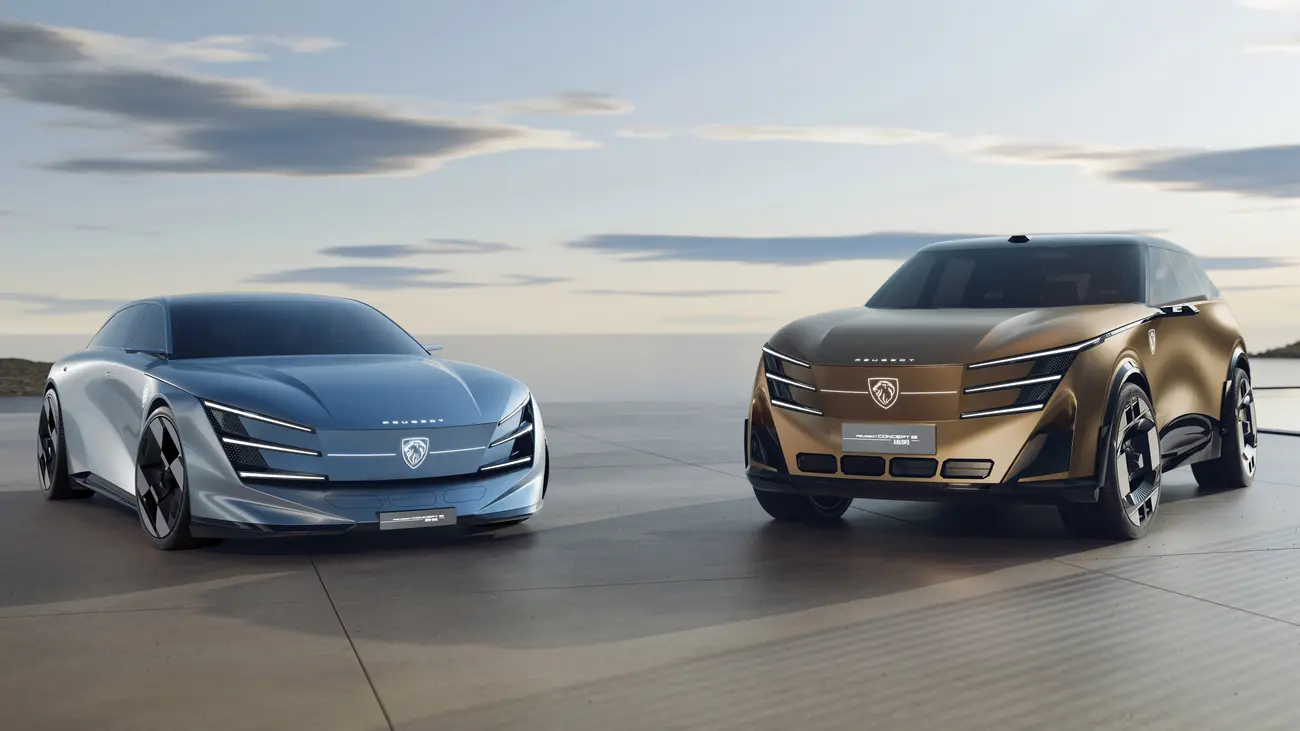
Stellantis and Dongfeng seal billion-euro deal to build Peugeot and Jeep EVs in China
One billion euros, two new Peugeot EVs, two Jeep off-road EVs, production starting 2027. That is the size of the Stellantis Dongfeng China EV deal signed on 15 May at the DPCA plant in Wuhan — and even from the other side of the world, there are good reasons for the Portuguese buyer to pay attention.
Stellantis owns brands that fill Portuguese streets: Peugeot, Citroën, Opel, Fiat, and Jeep. Anything that shakes its electric portfolio eventually lands here. And this deal shakes a lot.
What was signed in Wuhan
Stellantis and Dongfeng extended a 34-year partnership with an investment of more than 8 billion yuan (roughly one billion euros). Stellantis is putting in around 130 million euros; the rest comes from the Chinese side — Dongfeng, Hubei province, and Wuhan municipality, through vehicles like the Yangtze River Industry Investment Group.
Production starts in 2027 at the existing DPCA Wuhan plant. No new facility is being built. Instead, a factory in free fall — output collapsed from 711,000 vehicles in 2015 to just 51,500 in 2025 — gets a second life with electric models.
The deal also includes a non-binding strategic memorandum on broader manufacturing, R&D, and industry cooperation. In other words: this could be just the opening chapter.
The cars: two Peugeot, two Jeep
| Brand | Models | Destination |
|---|---|---|
| Peugeot | 2 new EVs based on Concept 6 and Concept 8 | China and global export |
| Jeep | 2 off-road / SUV EVs | Global markets |
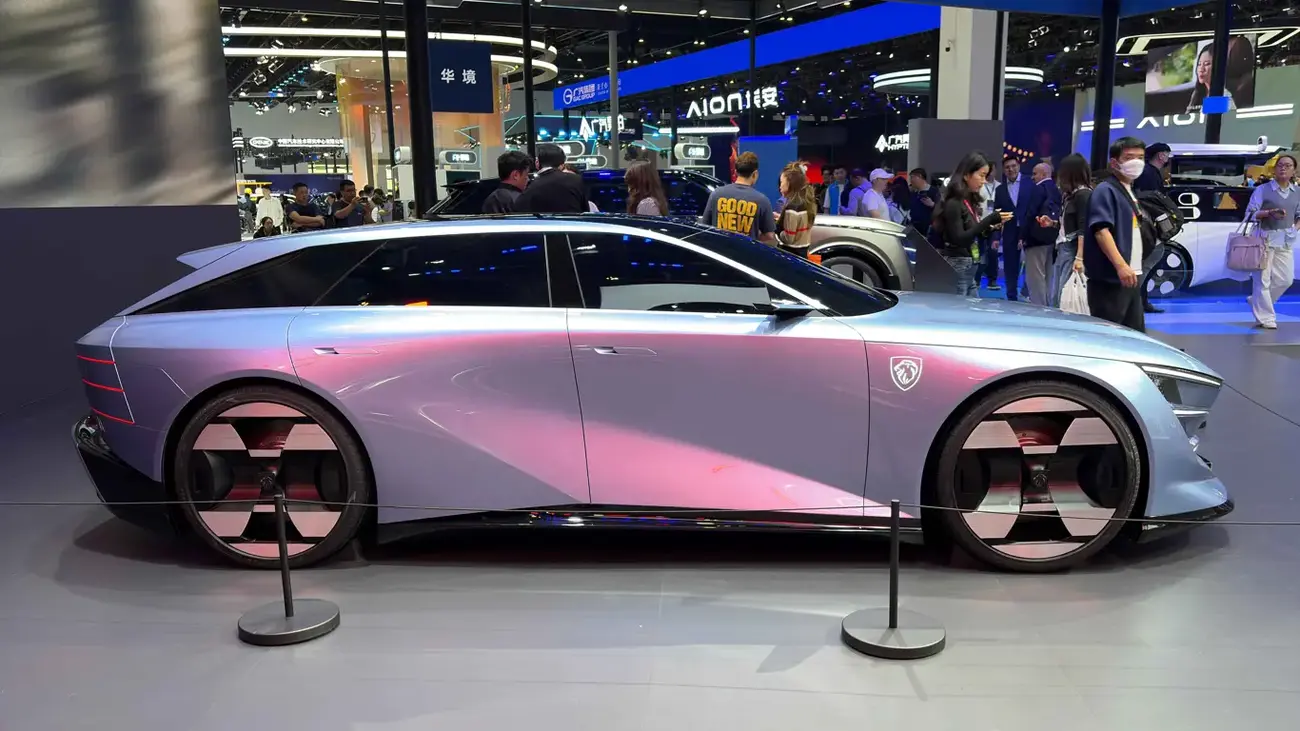
The Peugeots will draw their lines from the Concept 6 and Concept 8 prototypes shown at the 2026 Beijing Auto Show. For Jeep, this marks a return to local Chinese production after its joint venture with GAC was wound down in 2022.
Platforms, batteries, ranges, power figures? None confirmed yet. That is the weakest part of the announcement.
Why Portuguese buyers should care
The first reading is geographic: these cars are made in China, and the EU applies extra tariffs on EVs imported from there. If the Wuhan Peugeots reach Europe, they arrive with a surcharge on top — which limits the price advantage you would normally expect from a Chinese-built product.
But there is a second reading, more interesting. Stellantis is building a two-track strategy: produce Western brands in China for export, and at the same time bring Chinese EV platforms into European plants. The Leapmotor T03 and C10 already come out of Zaragoza and Madrid in Spain — and that lets them dodge the tariffs. In 2025 Leapmotor delivered more than 40,000 cars in Europe with 850 active sales and service points.
For anyone searching for Chinese electric cars in Portugal in 2026, it means Stellantis models with Chinese DNA will arrive through two very different routes — at two very different price points.
The Spanish route: Leapmotor
Leapmotor is, today, the most visible Stellantis bet on Chinese EVs. Stellantis has owned 21% of the brand since 2023, and the international joint venture is split 51% Stellantis / 49% Leapmotor. In April 2026, Leapmotor sold 57,161 cars in China (up 101.9% year on year) and posted a record 71,387 global monthly deliveries.
The detail that changes everything for us: production in Spain. The T03 and C10 leave Zaragoza or Madrid already with European plates and no Chinese tariffs padding the price. For a Portuguese buyer, this is the cleanest path to Chinese EV technology without paying the customs premium.
The Wuhan route: Peugeot and Jeep
The new DPCA Wuhan Peugeot and Jeep models go the opposite way. They are built in China, and when they cross the European border the tariffs apply. Peugeot will call them "global cars" and technically they are — but the final Portuguese price will reflect the road they travelled.
That said, the two Jeep EVs matter. Jeep has been a laggard in the electric transition, and these off-road NEVs could be the brand's first genuinely competitive electric answer. If Chinese engineering delivers on range and price, they may rattle the mid-size electric SUV segment in Portugal.
The financial pressure behind all of this
Stellantis closed 2025 with a net loss of €22.3 billion. New CEO Antonio Filosa inherited a group that needs to cut costs and accelerate the electric transition at the same time. China offers both: cheaper EV platforms to develop, and idle factory capacity to revive.
It is no accident that other Chinese groups are knocking on Stellantis' door. BYD is in talks to use underutilised European plants. FAW Hongqi is negotiating use of the Zaragoza factory. Dongfeng itself has already toured plants in Germany and Italy. In parallel, Maserati, Huawei, and JAC are working on a luxury EV due in the second half of 2027.
The pattern is clear: European carmakers are opening up to Chinese engineering, and Stellantis is the most advanced case.
Frequently Asked Questions
Production starts in 2027 at the DPCA plant in Wuhan, with two Peugeot EVs (based on the Concept 6 and Concept 8 prototypes) and two Jeep off-road EVs destined for global markets. Arrival in Portugal still depends on regulatory approvals and Stellantis' European distribution plan, so units are unlikely to reach showrooms before late 2027 or early 2028.
EVs built in China are subject to additional tariffs applied by the European Union, which stack on top of Portugal's 23% VAT and ISV registration tax. That means the Peugeots and Jeeps produced in Wuhan arrive with a surcharge that erases much of the price advantage typically expected from a Chinese-built product — unlike the Leapmotor T03 and C10, assembled in Zaragoza and Madrid, which dodge the tariffs.
The €1 billion (8 billion yuan) deal confirms Stellantis will use Chinese engineering in Peugeot, Jeep, Citroen, Opel, and Fiat models sold here. For Portuguese buyers, this creates two routes: models with Chinese DNA assembled in Spain (cheaper, via Leapmotor) and models imported directly from China (more expensive, due to tariffs). Anyone planning to buy an EV over the next eighteen months should wait for the next round of pricing announcements.
Jeep has lagged in the electric transition, and the two new SUV/off-road NEVs produced with Dongfeng are the brand's first genuinely competitive bet in this segment. Platforms, batteries, and range figures have not been confirmed, but the stated goal is to export to global markets including Europe, with potential to shake up Portugal's mid-size electric SUV segment — provided the final post-tariff price is competitive.
Beyond Dongfeng, Stellantis has owned 21% of Leapmotor since 2023 — the brand delivered more than 40,000 cars in Europe in 2025 with 850 active sales points. BYD is in talks to use underutilised European Stellantis plants, FAW Hongqi is negotiating use of the Zaragoza factory, and Maserati, Huawei, and JAC are working on a luxury EV due in the second half of 2027. The pressure from Stellantis' €22.3 billion net loss in 2025 is accelerating these partnerships.
What to expect until 2027
The first cars from this deal only roll out in 2027, and regulatory approvals are still pending. But the direction is set. For Portugal, three things are worth watching: when the Peugeot Concept 6 and 8 derivatives actually reach European showrooms, how much EU tariffs add to their sticker price, and how fast the Leapmotor network grows — probably the most immediate way to sample Chinese EV technology wearing a Stellantis badge. Anyone weighing an electric purchase over the next eighteen months would do well to wait for the next round of price announcements before signing anything.