
Smart #5 vs Tesla Model Y in Portugal: Which Family Electric SUV Wins?
Published: 04/11/2026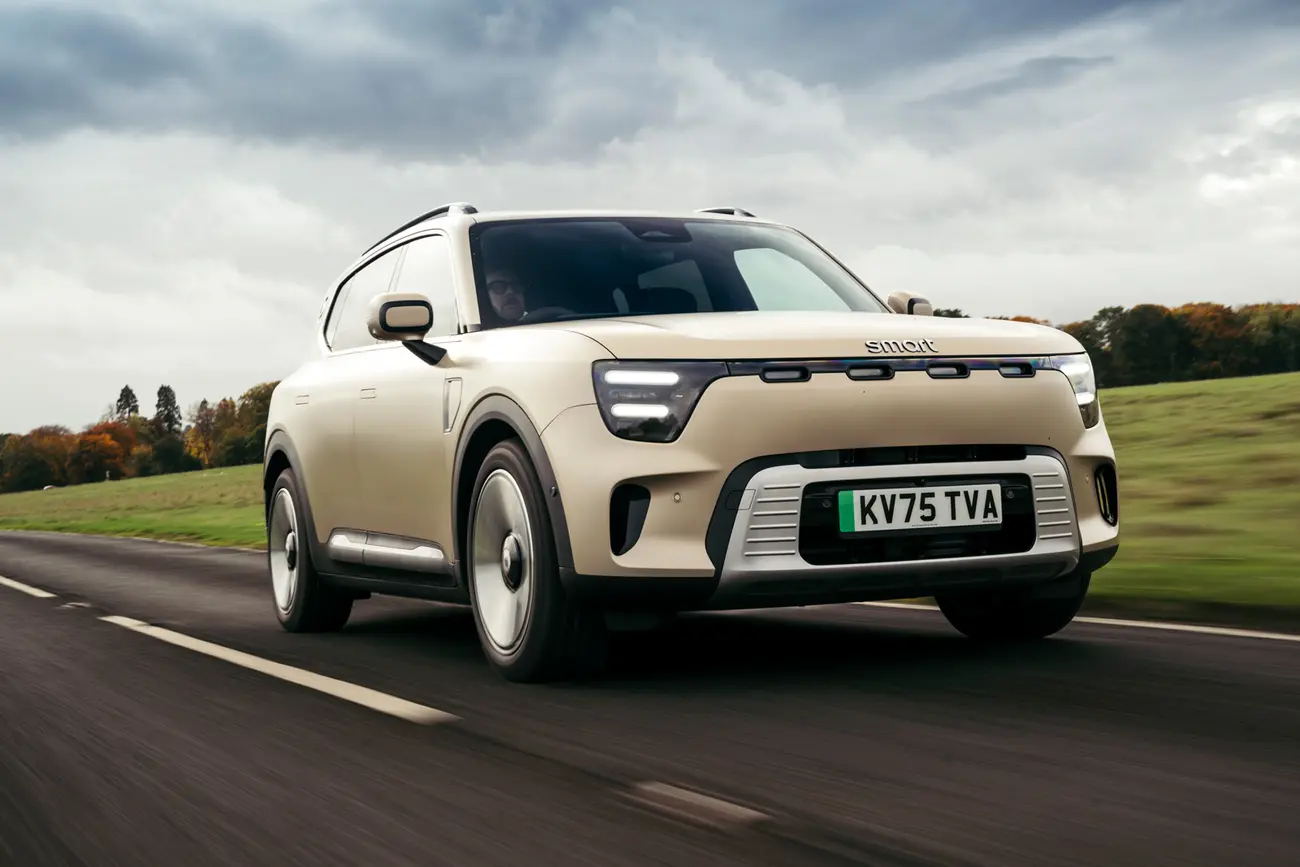
Smart #5 vs Tesla Model Y in Portugal, and two seven-seat rivals
Eighteen minutes. That's how long smart says the big-battery #5 takes to go from 10% to 80% on a fast charger, and none of its direct rivals comes close. The catch is what it gives up for that: it only seats five, and its boot is smaller than the competition's.
We put the smart #5 up against the three cars most likely to be on the same family shortlist: the Tesla Model Y, the Škoda Peaq and the Peugeot e-5008. The comparison uses similarly equipped versions and covers price, space, range, charging and safety, all from the point of view of someone buying in Portugal.
How much the Smart #5 costs in Portugal
The #5 prices for Portugal come from launch figures reported by the Portuguese motoring press in 2025. We couldn't confirm them against an official smart source, so treat them as a guide and check with a dealer before you budget.
| Version | Battery | Portuguese launch price |
|---|---|---|
| Pro | 74 kWh LFP, 400 V | from around €47,400 |
| Pro+ | 94 kWh, 800 V | around €52,400 |
| Premium | 94 kWh, 800 V | around €56,900 |
| Pulse (AWD) | 94 kWh, 800 V | around €56,900 |
| BRABUS | 94 kWh, 800 V | around €62,400 |
One detail matters here. Some sources quote €52,419 as the entry price, but that's the Pro+. The cheaper Pro appears at around €47,400 in the launch price lists. We also found lower figures on price aggregators with no clear explanation, which could mean promotions or prices without VAT. Prices may have changed since launch.
The gap between the two entry versions isn't just about money. The Pro uses a 74 kWh LFP battery on a 400-volt system and charges at up to 150 kW. The 400 kW ultra-fast charging that the #5 is known for only comes with the Pro+ and above, with the 94 kWh battery and 800-volt architecture.
Smart #5 vs Tesla Model Y: price, space and charging
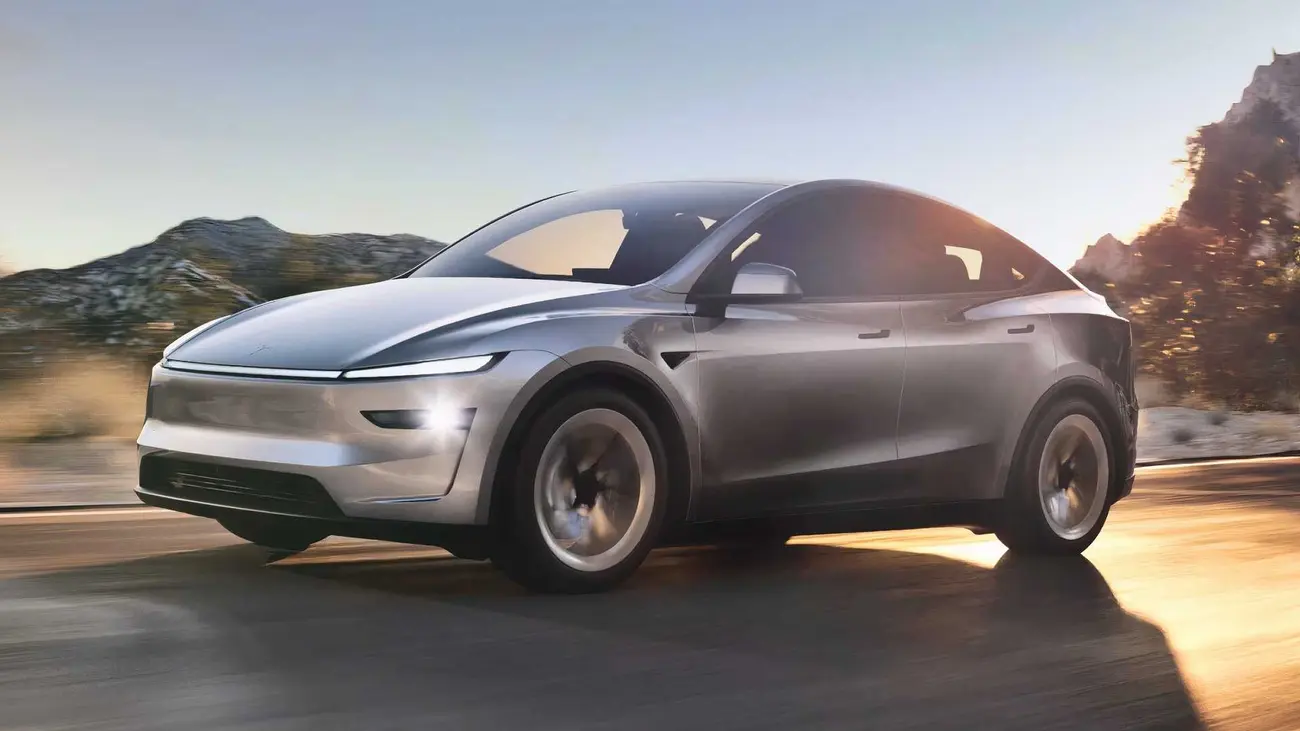
This is the most likely head-to-head, and the Model Y starts with a clear price advantage. The February 2026 Portuguese price list reported by local media runs from €39,990 (Standard) to €61,990 (Performance), with the Long Range versions in between at €46,990 to €57,990. Tesla adjusts prices often, so the official configurator has the final word.
The Model Y wins hands down on space. Its rear boot holds between 822 and 854 litres depending on how it's measured, plus 116 litres in the frunk. The #5 manages 630 litres in the back and 72 litres up front (47 litres on AWD versions). For a family with a pushchair and holiday luggage, that's almost 200 litres of difference you'll notice.
The #5 hits back on charging. A 400 kW peak against the Tesla's 250 kW means roughly 18 to 19 minutes from 10% to 80%, compared with EV Database's estimate of about 36 minutes for the Model Y. On a Lisbon to Algarve run, that's the difference between a coffee stop and a lunch stop. The smart also has a 22 kW onboard AC charger (the Tesla has 11 kW), although that only helps if you have access to a three-phase charger with that much power.
The Model Y's battery size is another source of confusion. Tesla doesn't publish an official figure, and sources range from 74 kWh usable to 84 kWh. On WLTP range, the Model Y Premium RWD sits at around 603 to 622 km, slightly ahead of the 590 km of the RWD #5.
Safety: Smart #5 and Model Y tied in Euro NCAP
For parents, this one counts. In the 2025 Euro NCAP tests, the smart #5 and Tesla Model Y both scored five stars and 93% for child occupant protection. The Peugeot e-5008 got four stars and 85%. The smart and the Tesla are also the only two in this group with standard rear child-presence detection, which warns you if a child is left in the car. The #5 has ISOFIX mounts on three seats.
Smart #5 vs Peugeot e-5008: five seats against seven
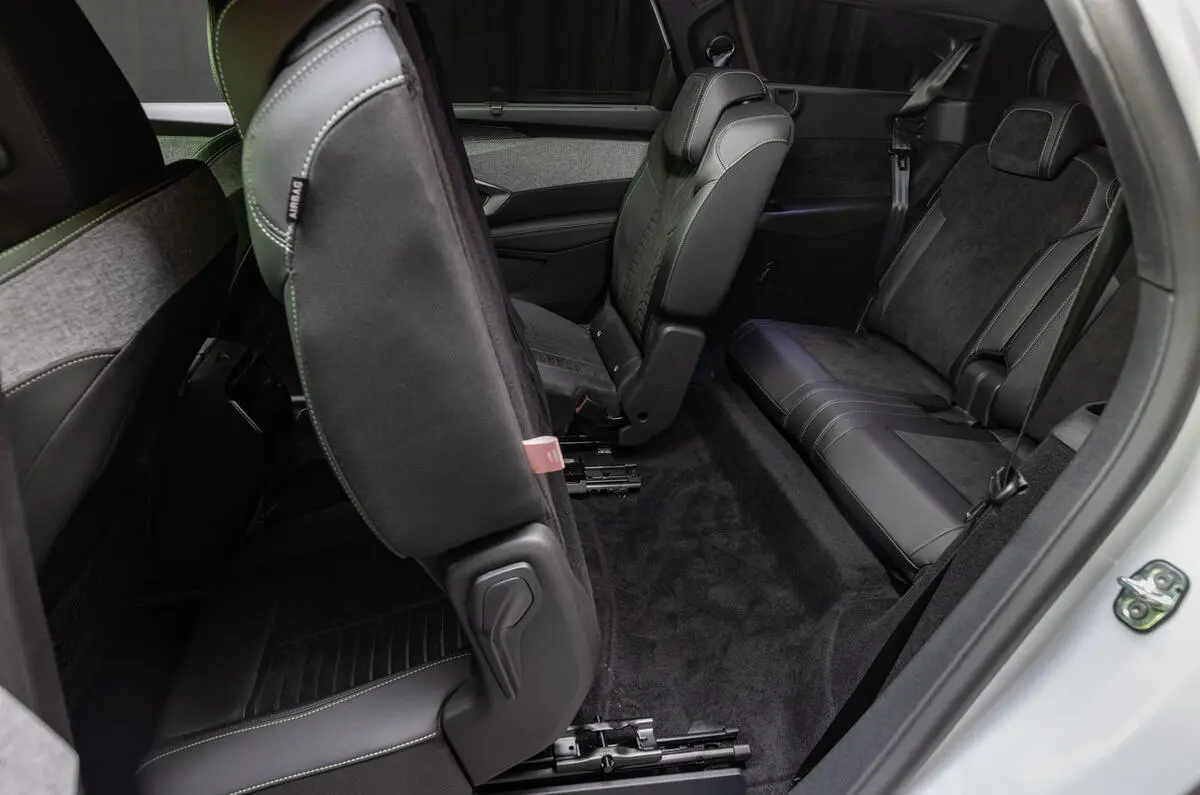
If your family needs seven seats, the #5 drops out of the running. The e-5008 is the only one of the four with a third row as standard, and that changes how you read its boot figure: with five seats in use, EV Database lists 916 litres. With all seven seats up, other sources put it at around 348 litres, which is fine for the weekly shop but not for a week's luggage.
The e-5008 Long Range has the biggest battery in the group, at 96.9 kWh usable, and the best WLTP range: 664 to 672 km. In EV Database's real-world estimate, though, it drops to 485 km, close to the #5 Premium's 465 km. You pay for that elsewhere: DC charging tops out at 160 kW (about 30 to 32 minutes from 10% to 80%), 0-100 km/h takes 9.6 seconds, and it can tow only 1,000 kg against the smart's 1,600 kg.
On price, we only have the 2024 Portuguese launch figure: from €49,150 for the 73 kWh version. We couldn't find a current Portuguese list price for the Long Range. In Germany, Elektroauto-News lists the Long Range from €50,640, which suggests it will cost more than the base version here too.
Skoda Peaq: Portugal release date and expected price
The Peaq is the most anticipated 7-seater electric SUV of this group, but you can't buy one in Portugal yet. Portuguese media expect it to arrive in early 2027, and there's no official Portuguese price. The Portugal Post reported that it will be Škoda's most expensive model in Portugal, at over €50,000, without giving firm figures.
For reference, these are German prices: €57,900 for the Peaq 90 (rear-wheel drive, 86 kWh usable) and €60,400 for the all-wheel-drive Peaq 90x. They aren't Portuguese prices, and the final figure here will depend on equipment and Škoda's local pricing.
On paper, the Peaq is the most balanced option for larger families. It has the longest wheelbase (2,965 mm), a 935-litre boot in five-seat mode, up to 2,150 litres maximum, 2,000 kg towing, and WLTP range of up to around 642 to 647 km for the Peaq 90. Charging at up to 199 kW takes it from 10% to 80% in 28 minutes, according to Škoda. There's no Euro NCAP result yet.
Smart #5 range and boot space against the competition
| smart #5 Premium | Tesla Model Y Premium RWD | Škoda Peaq 90 / 90x | Peugeot e-5008 LR | |
|---|---|---|---|---|
| Length | 4,695 mm | 4,790 mm | 4,874 mm | 4,791 mm |
| Wheelbase | 2,900 mm | 2,890 mm | 2,965 mm | 2,910 mm |
| Seats | 5 | 5 | 7 (5 in some markets) | 7 |
| Boot (seats in use) | 630 L | 822-854 L | 935 L (5 seats) | 916 L (5 seats) / around 348 L (7 seats) |
| Maximum boot | 1,530 L | 2,022 L | 2,150 L | 2,232 L |
| Frunk | 72 L (RWD) / 47 L (AWD) | 116 L | 37 L | 0 L |
| Battery (usable) | 94 kWh | 74-84 kWh (sources differ) | 86 kWh | 96.9 kWh |
| Architecture | 800 V | 360 V | 400 V | 400 V |
| WLTP range | 590 km (RWD) / 540 km (AWD) | 603-622 km | 642-647 km (90) / 613 km (90x) | 664-672 km |
| Real-world range (EVDB) | 465 km | n/a | 490 km (90x) | 485 km |
| Max DC charging | 400 kW | 250 kW | 199 kW | 160 kW |
| DC 10-80% | 18-19 min | about 36 min (estimate) | 28-29 min | about 30-32 min |
| AC charging | 22 kW | 11 kW | 11 kW | 11 kW |
| 0-100 km/h | 6.5 s | 5.6 s | 6.7 s (90x) | 9.6 s |
| Power | 267 kW (363 PS) | 220 kW (299 PS) | 220 kW (299 PS, 90x) | 170 kW (231 PS) |
| Towing (braked) | 1,600 kg | n/a | 2,000 kg | 1,000 kg |
| Euro NCAP 2025 | 5 stars, 93% child | 5 stars, 93% child | n/a | 4 stars, 85% child |
Real-world motorway range
WLTP is optimistic for all four. EV Database estimates that the #5 Premium covers about 425 km on the motorway in mild weather, dropping to 335 km in the cold. A Lisbon to Porto trip (around 310 km) is doable without stopping on a normal day, but in winter it's worth planning a stop. The good news is that with a 400 kW peak, that stop at an ultra-fast charger on MOBI.E, Portugal's public charging network, can be short. In practice the peak depends on the charger: at a 150 kW unit, the same 10% to 80% takes about 35 minutes.
Efficiency isn't the #5's strong point. UK road tests found middling consumption, and EV Database estimates 202 Wh/km in real driving, against 176 Wh/km for the Peaq 90x.
Frequently Asked Questions
Based on launch figures reported by the Portuguese press in 2025, the Smart #5 starts at around €47,400 for the Pro (74 kWh LFP), rises to around €52,400 for the Pro+ (94 kWh, 800 V) and reaches around €62,400 for the BRABUS. smart hasn't reconfirmed these prices in sources we could verify, so check them with a dealer. As a fully electric car, the #5 is exempt from ISV registration tax and IUC road tax, and company buyers should note that VAT recovery on electric cars is generally capped at an acquisition cost of €62,500.
It depends on your priorities. The Model Y is cheaper to start with (from €39,990 on the February 2026 list reported in Portugal) and has more boot space, at 822 to 854 litres plus a 116-litre frunk, against 630 + 72 litres in the #5. The Smart #5 hits back with 10% to 80% charging in about 18 to 19 minutes (versus an estimated 36 minutes for the Tesla) and 1,600 kg towing. On safety they're level: both scored five stars in Euro NCAP 2025, 93% for child occupant protection, and both have standard rear child-presence detection.
No. The Smart #5 is a five-seater only, with ISOFIX mounts on three of the seats. If you need seven seats, the Peugeot e-5008 is already on sale in Portugal with a standard third row, although boot space drops to around 348 litres with all seven seats up. The Škoda Peaq will also offer seven seats, but it's expected in Portugal only in early 2027 and there's no official Portuguese price yet.
On the versions with the 94 kWh battery and 800-volt architecture (Pro+, Premium and BRABUS), the Smart #5 accepts up to 400 kW and goes from 10% to 80% in about 18 minutes according to smart, or 19 minutes in EV Database's estimate. Real times depend on the charger: at a 150 kW unit, the same charge takes about 35 minutes. The entry Pro, with a 74 kWh LFP battery on a 400-volt system, is limited to 150 kW DC.
The Smart #5 has a WLTP range of 590 km in RWD form and 540 km with AWD, but motorway driving cuts that considerably. EV Database estimates around 425 km for the #5 Premium on the motorway in mild weather and around 335 km in the cold. In practice, a Lisbon to Porto run (around 310 km) is doable without stopping on a normal day, but in winter it's worth planning a charging stop on the MOBI.E network.
What matters for a family in Portugal
On tax, all four are on equal footing. As fully electric cars, they're exempt from ISV (Portugal's vehicle registration tax) and from IUC (the annual road tax). For companies, VAT recovery on electric cars is generally capped at an acquisition cost of €62,500, and several versions of these models sit close to that figure, so it's worth running the numbers with your accountant before picking a trim. The Fundo Ambiental incentives for private buyers have had price ceilings well below most of these versions.
The right choice comes down to your profile:
- Family of four doing lots of long trips: the smart #5 Pro+ or Premium, for the fastest charging in the segment, top safety scores and 1,600 kg towing.
- Tighter budget and boot space first: the Tesla Model Y, cheaper to start with and with more room for luggage.
- Seven seats right now: the Peugeot e-5008, with the longest WLTP range, if you can live with slower charging and acceleration.
- Seven seats and some patience: the Škoda Peaq, which on paper combines space, towing and range, but only arrives in early 2027 with no known price.
Inside, the #5 goes big on tech: two 13-inch OLED screens, a 25-inch augmented-reality head-up display and Sennheiser audio with Dolby Atmos. On the downside, reviewers criticise the lack of physical controls and the animated voice assistant, which splits opinion. Take a test drive before you decide.
If you're after a five-seat family electric SUV and cover a lot of kilometres, the smart #5 deserves a place on your list, especially in the 94 kWh versions. If you need more space or seven seats, the rivals make a strong case. The next thing to watch is the Peaq's Portuguese price, which could reshuffle the race for best family electric SUV in Portugal when the car lands in early 2027.