
smart #2 Rivals in Portugal: The Cheap EVs Competing for the Same €20,000
Published: 31/10/2026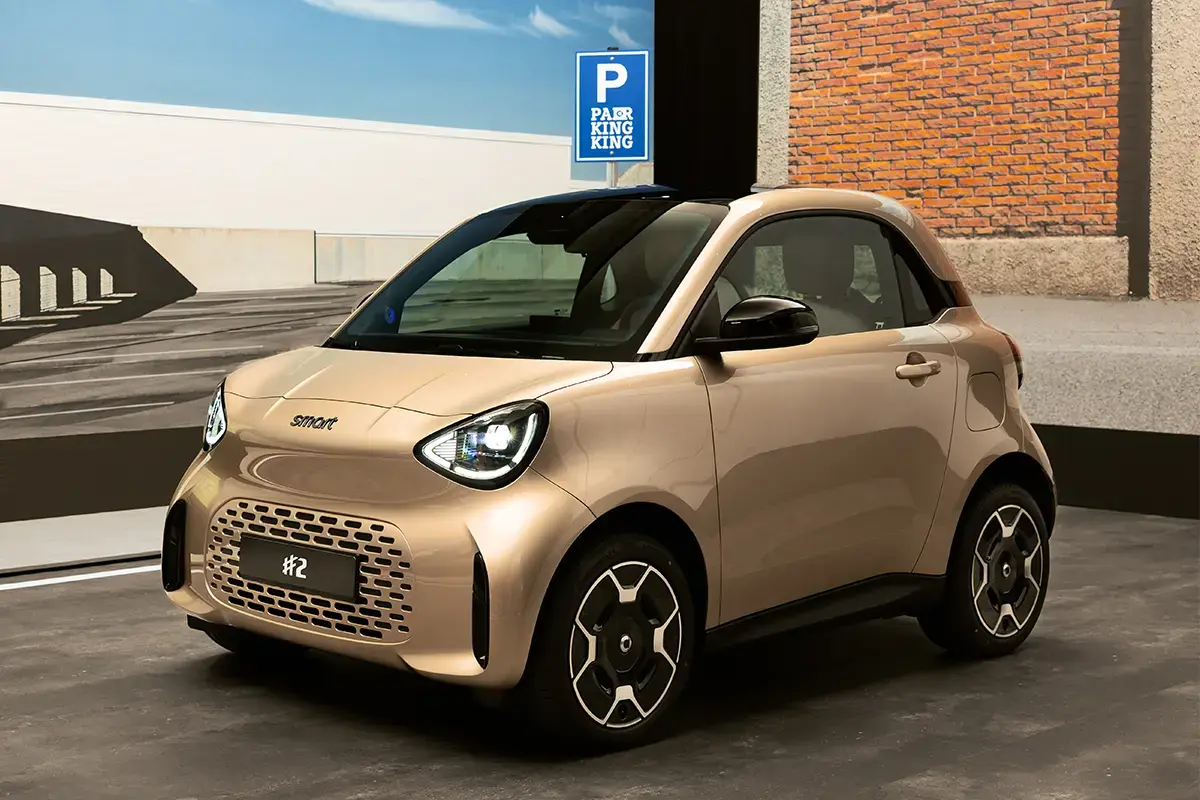
smart #2 rivals in Portugal: who's fighting for the same €20,000
290 km of WLTP range for €19,990. No other new EV near that price claims as much — which is why the smart #2, the electric successor to the ForTwo, has so many people reaching for a calculator. There's one catch that changes everything, though: it seats two. Its direct rivals seat four or five.
So the useful question isn't whether the smart #2 is any good. It's what else the same money buys in Portugal, and what you gain or give up with each swap. We went through the smart #2 rivals one by one — Dacia Spring, BYD Dolphin Surf, Citroën ë-C3, Leapmotor T03, Geely E2 and Renault Twingo — plus electric microcars, the other family of two-seat smart #2 alternatives.
A note before the numbers: confirmed Portuguese prices exist for the smart #2, the Leapmotor T03 and, from a while back, the BYD Dolphin Surf. For everything else we always state which country the price comes from. Treat those as reference points, not Portuguese list prices.
The benchmark: what the smart #2 brings to the table
First, the yardstick. The smart #2 is 2.75 m long with a 6.95 m turning circle — figures nothing else on this list can match. It noses into parking spaces the others wouldn't even attempt.
Its 35.8 kWh LFP battery is rated at 290 km WLTP, a bit less in everyday driving. The 60 kW (82 hp), 130 Nm motor gets it from 0-100 km/h in 11.6 s and on to 140 km/h, so motorway stints are no drama. DC charging peaks at 65 kW, with 10-80% in around 20 minutes; AC charging runs at 7.4 kW (Pure) or 11 kW (other versions).
Boot space is 305 litres, or 505 litres counting the full available volume. The car is developed by Geely and built in China. Orders opened on 13 October 2026, with first deliveries expected in 2027.
Cheap electric cars side by side
The table brings together the main sub-€20,000 electric cars (and a few slightly above) worth comparing with the smart #2. Mind the price column: the country in brackets is where the figure comes from.
| Model | Seats | Length | Power | Battery | WLTP range | Max DC | Base price (market) |
|---|---|---|---|---|---|---|---|
| smart #2 | 2 | 2.75 m | 82 hp | 35.8 kWh LFP | 290 km | 65 kW | €19,990 (PT) |
| Dacia Spring (2nd gen) | 4 | 3.85 m | 82 hp | 27.5 kWh LFP | 246-250 km | 50 kW (optional) | €17,900 (FR/IT) |
| Leapmotor T03 | 4 | 3.62 m | 95 hp | 37.3 kWh LFP | 265 km | 45-48 kW | around €18,986 (PT) |
| DR 1.0 EV | 4 | 3.20 m | 61 hp | 31 kWh | 210 km | n/a | €18,900 (IT) |
| Renault Twingo | 4 | 3.79 m | 82 hp | 27.5 kWh | 264 km | n/a | €19,500 (IT) |
| BYD Dolphin Surf Active | 4 | 3.99 m | 88 hp | 30 kWh LFP | 220 km | 65 kW | €20,885 (PT, 2025 launch) |
| BYD Dolphin Surf Boost | 4 | 3.99 m | 88 hp | 43.2 kWh | 322 km | 85 kW | €23,990 (FR) |
| Geely E2 Pro | 5 | 4.135 m | 81 hp | 35.35 kWh LFP | 252 km | 60 kW | €19,990 (DE) |
| Citroën ë-C3 Urban Range | 5 | approx. 4.01 m | 82 hp | 30 kWh LFP | 200 km | 30 kW (optional) | around €19,990 (ES) |
| Citroën ë-C3 44 kWh | 5 | approx. 4.01 m | 113 hp | 44 kWh LFP | 315 km | 100 kW | €22,590 (ES, 2025) |
Read across the rows and the story is clear. Below €20,000, the smart #2 has the longest range and the strongest fast charging, level with the Dolphin Surf Active. To get more kilometres you have to step up to the Dolphin Surf Boost or the 44 kWh ë-C3 — and by then you're past €22,000.
smart #2 vs Dacia Spring
The second-generation Spring is the cheapest rival and probably the most obvious one. In France it costs €17,900 as an Expression and €19,400 as a Journey; Portuguese pricing for the new generation hasn't been confirmed yet. For the same money (or less) it carries four people and offers a 337-litre boot, plus an optional 18-litre frunk.
That extra space is paid for on the road. The 27.5 kWh usable battery manages 246-250 km WLTP, top speed is 130 km/h and 0-100 km/h takes 12.1 s. As standard it only charges at 6.6 kW AC. The 50 kW DC option (15-80% in 28 minutes) comes only with the Charge pack, a €500 extra in France limited to the Journey trim.
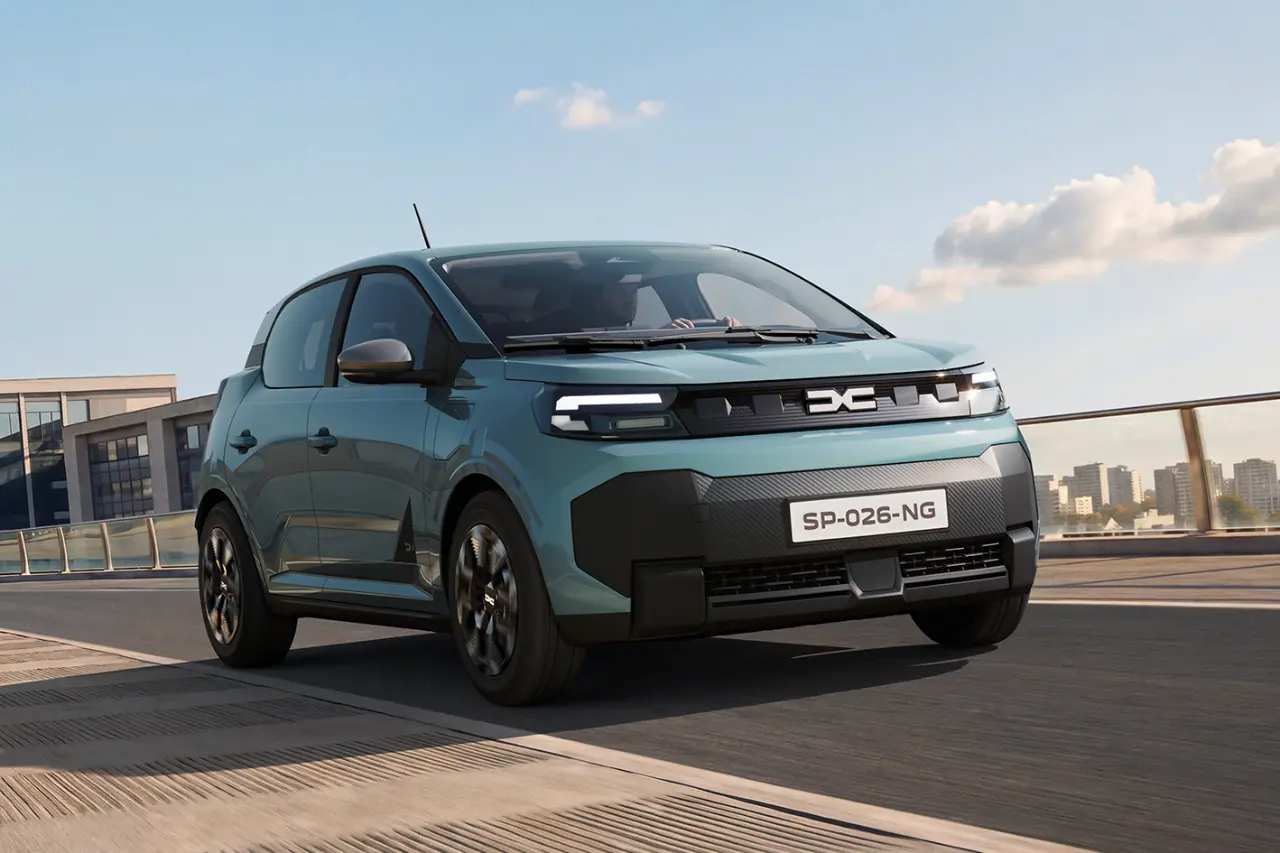
smart #2 or Dacia Spring, then? If your household is bigger than two or you need a proper boot, the Spring wins by default. If the car is for one or two people and regularly leaves the city, the smart #2's extra 40 km of range and standard DC charging make a difference every week.
smart #2 vs BYD Dolphin Surf
This one is closer on price. The Dolphin Surf Active launched in Portugal in 2025 at €20,885, and in France it now lists at €19,990 — practically the same as the smart #2. Both charge at 65 kW DC, with 10-80% in around 20 minutes for the smart and 30 minutes for the BYD.
The differences lie elsewhere. The BYD is 3.99 m long, seats four with decent rear legroom, has a 308-litre boot and tops out at 150 km/h. But the 30 kWh battery in the Active is rated at just 220 km — 70 km less than the smart #2.
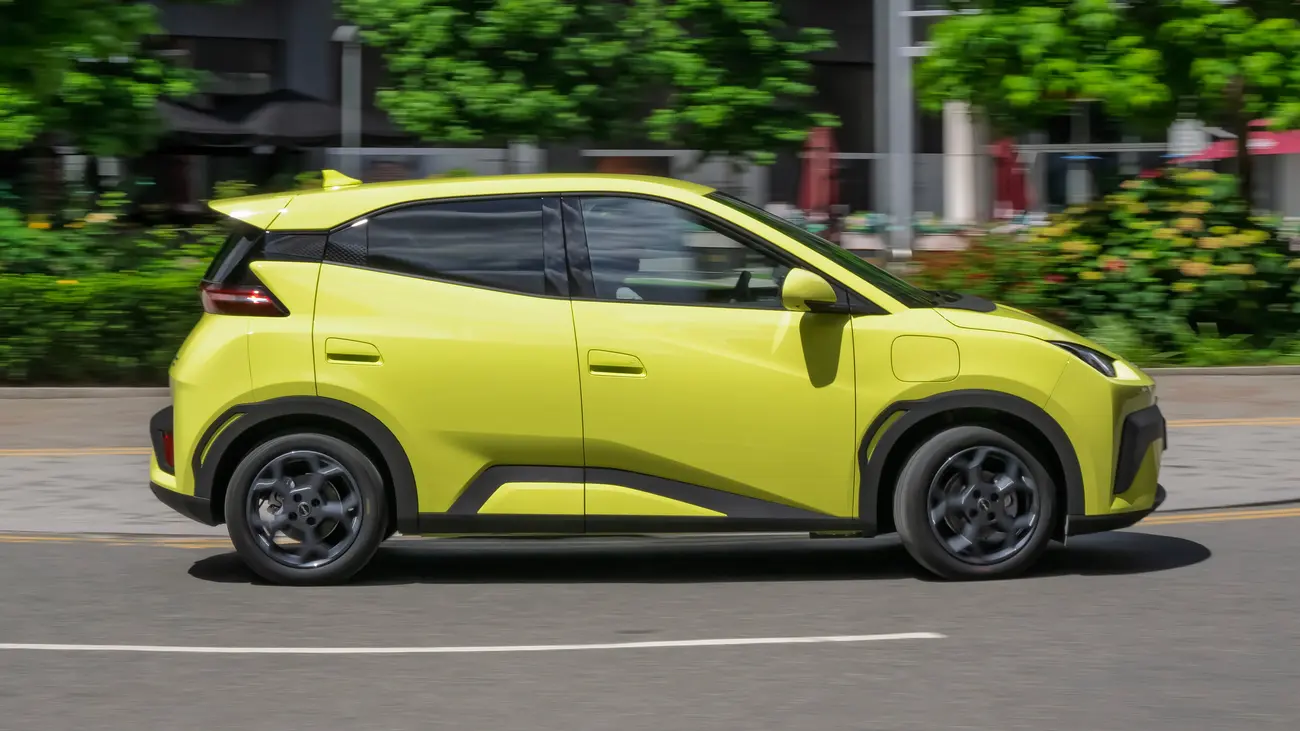
Beating the smart's range means moving up to the Dolphin Surf Boost: 43.2 kWh, 322 km WLTP and 85 kW DC. In France it costs €23,990, roughly €4,000 more than the smart #2. smart #2 or BYD Dolphin Surf? If you need four seats and can stretch the budget, the Boost is the more complete car. If you don't, keep the €4,000.
smart #2 vs Citroën ë-C3
The ë-C3 plays in a different league for space: five seats, around 4.01 m long, and built in Europe (Slovakia and Serbia). The entry-level Urban Range goes for around €19,990 in Spain, but with 30 kWh and only 200 km WLTP. Fast charging is 30 kW — and even that is optional.
The 44 kWh version is another story: 113 hp, 315 km WLTP and 100 kW DC as standard, with 20-80% in 26 minutes. It beats the smart #2 on range, space and charging. Our reference price is €22,590 in Spain (2025); check Citroën's Portuguese configurator for the local figure.
In practice, the ë-C3 Urban Range loses to the smart #2 on almost everything except seats, while the 44 kWh ë-C3 wins on almost everything except price and ease of parking.
smart #2 vs Leapmotor T03, Geely E2 and Renault Twingo
Leapmotor T03: the closest match on battery size
With a 37.3 kWh LFP pack, the T03 actually carries more battery than the smart #2, yet it's rated at 265 km WLTP — 25 km less. It's 3.62 m long, seats four, makes 95 hp and has adaptive cruise control as standard. It's also one of the few rivals with a known Portuguese price: around €18,986, below the smart.
Charging is the weak spot. At 45-48 kW DC, going from 30% to 80% takes 36 minutes. On a trip with a charging stop, that's nearly twice as long as the smart #2.
Geely E2: the five-seat "cousin"
The Geely E2 comes from the same group that develops the smart #2, but it's an entirely different car: 4.135 m long, five seats, rear-wheel drive, a 375-litre boot plus a 70-litre frunk, and five Euro NCAP stars. The Pro version has 81 hp, 35.35 kWh and 252 km WLTP, with 60 kW DC. The Max steps up to 116 hp, 47.14 kWh and 345 km.
Reference prices are €19,990 in Germany and €20,990 in France for the Pro. There's no Portuguese price yet — arrival is expected in 2027, roughly when the first smart #2 deliveries land. Its 9.9 m turning circle, against the smart's 6.95 m, shows how differently these two cars are meant to be used.
Renault Twingo and other names worth a look
The new Twingo shares the Spring's underpinnings: 82 hp, 27.5 kWh and 264 km WLTP, in a 3.79 m, four-seat body. In Italy it costs €19,500. It sits between the Spring and the smart on range and offers a more stylish take on the Dacia formula.
There's also the DR 1.0 EV (3.20 m, 61 hp, 31 kWh, 210 km, €18,900 in Italy), which is hard to find in Portugal, and the Fiat 500e. The Fiat has three doors like the smart, but starts at around €24,990 in Germany — it's the image choice, not the budget one.
Two-seater city car: smart #2 or an L7e microcar?
If two seats don't bother you, there's another set of rivals: electric microcars homologated as L7e quadricycles. Microlino, Silence S04, XEV YoYo, Birba and Tazzari Zeromax are a few examples. They seat two (or four), are even more compact and work well for getting around town.
The catch is the category's limits: 15 kW of power and a 90 km/h top speed. No motorways, no fast-moving dual carriageways. The smart #2, by contrast, is a full M1 passenger car with 140 km/h, 290 km of range and fast charging.
If you want a two-seat electric city car that can also handle a run from Lisbon to Setúbal or Porto to Braga without stress, the smart #2 is practically the only new option in this format.
Frequently Asked Questions
Among new EVs with a confirmed Portuguese price, the smart #2 Pure leads with 290 km WLTP for €19,990, thanks to its 35.8 kWh LFP battery. The Leapmotor T03 offers 265 km for around €18,986, while the BYD Dolphin Surf Active claims 220 km (€20,885 at its 2025 launch). To go beyond 300 km you need the Dolphin Surf Boost (322 km) or the 44 kWh Citroën ë-C3 (315 km), both above €22,000 in their reference markets.
Yes. The Leapmotor T03 is priced at around €18,986 in Portugal, roughly €1,000 less than the smart #2, with four seats and 265 km WLTP. The second-generation Dacia Spring costs €17,900 in France, but its Portuguese price has not yet been confirmed. In exchange for the extra seats, both offer less range and slower DC charging than the smart #2.
The smart #2 charges at up to 65 kW DC and goes from 10 to 80% in about 20 minutes. The Leapmotor T03 (45-48 kW) needs 36 minutes for 30-80%, and the Dacia Spring only gets 50 kW DC with the optional Charge pack, taking 28 minutes for 15-80%. Only the 44 kWh Citroën ë-C3, with 100 kW as standard and 20-80% in 26 minutes, charges faster — but it costs more.
Microcars such as the Microlino, Silence S04 or XEV YoYo are L7e quadricycles, capped at 15 kW of power and 90 km/h top speed, so they are not suitable for motorways. The smart #2 is a full M1 passenger car with 60 kW (82 hp), 140 km/h, 290 km WLTP range and 65 kW fast charging. An L7e can be enough for purely urban use; for trips beyond the city, the smart #2 is practically the only new two-seater option.
Orders for the smart #2 opened in Portugal on 13 October 2026, with first deliveries expected in 2027 — around the same time the Geely E2 is due to arrive. Like every electric car, it is exempt from ISV (the one-off vehicle registration tax) and IUC (annual road tax), as are all the rivals in this comparison. The purchase may also qualify for Fundo Ambiental support, depending on the rules in force at the time of purchase.
Is the smart #2 worth it with only two seats?
It comes down to who's riding with you. The short version:
- Buy the smart #2 if you mostly drive alone or with one passenger, park on the street in Lisbon or Porto, and want the longest range possible for under €20,000. It also makes sense as a household's second car.
- Go for the Dacia Spring or Leapmotor T03 if you want four seats for the lowest price and can live with less range and slower charging.
- Look at the BYD Dolphin Surf Boost or the 44 kWh Citroën ë-C3 if you need space and more than 300 km of range, and your budget stretches to around €23,000-24,000.
- Wait for the Geely E2 if you want a roomy five-seater and a 2027 arrival works for you.
In Portugal, all of these EVs are exempt from ISV (the one-off vehicle registration tax) and IUC (the annual road tax), so the real cost gap between them comes down mainly to purchase price and whether you land a Fundo Ambiental purchase grant. It's also worth checking the used market: nearly-new Springs, T03s and Dolphin Surfs can come in well below list prices.
The smart #2 won't reach customers until 2027, and by then Portuguese prices for the new Spring, the Twingo and the Geely E2 will be out. This comparison will shift — but for now, no rival under €20,000 matches the smart's 290 km.