
Range Rover Electric in Portugal: Price, Range and Why It Costs More
Published: 29/06/2026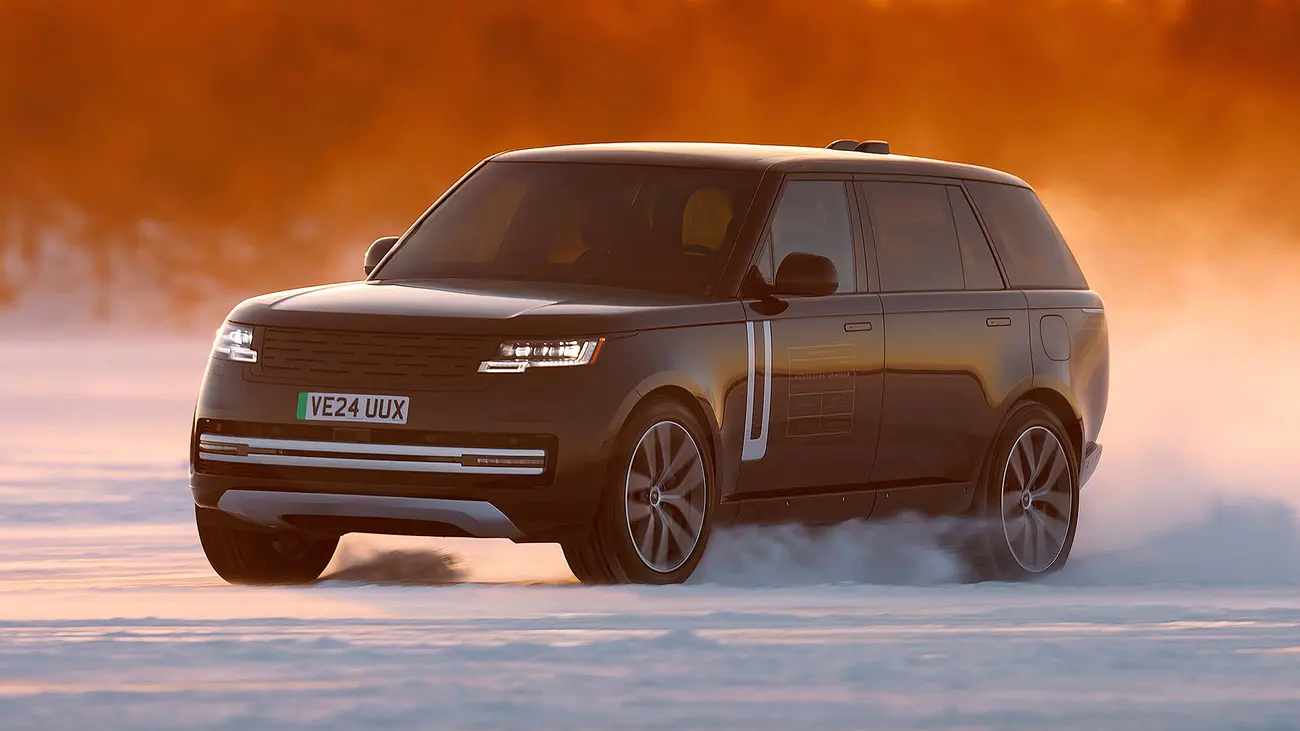
The Range Rover Electric will cost more than the V8
Most carmakers are working hard to bring electric prices down toward their combustion equivalents. Jaguar Land Rover decided to do the opposite. The Range Rover Electric arrives priced above the petrol, diesel and plug-in hybrid versions — and that is not an accident, it is the plan.
JLR commercial director Leonard Hoornik is open about it: "we're really trying to go against the current market trend." The idea is simple to state and risky to pull off. The brand wants to convince buyers that "the best Range Rover of all time" runs on electricity — and that this justifies paying more. Before deciding whether that holds up, it is worth looking at the numbers.
Range Rover Electric price Portugal: what to expect
There is no official Portuguese price list yet, but the European context gives a clear range. In markets like Germany and the UK, the Range Rover Electric is expected to start around €130,000. The Autobiography trim climbs past €150,000 and the top SV version could exceed €170,000. UK estimates start at £130,000, with the highest trims approaching £170,000.
For reference, the petrol Range Rover MHEV currently starts at €149,400, and the Range Rover Sport SE diesel at €99,400. The electric version is not the most expensive car in every configuration, but it raises the entry floor well above what you would normally expect from an EV. In Portugal, on top of the base price comes everything else — and even with the ISV tax exemption that electric cars enjoy here, this is a car that will rarely land below six figures.
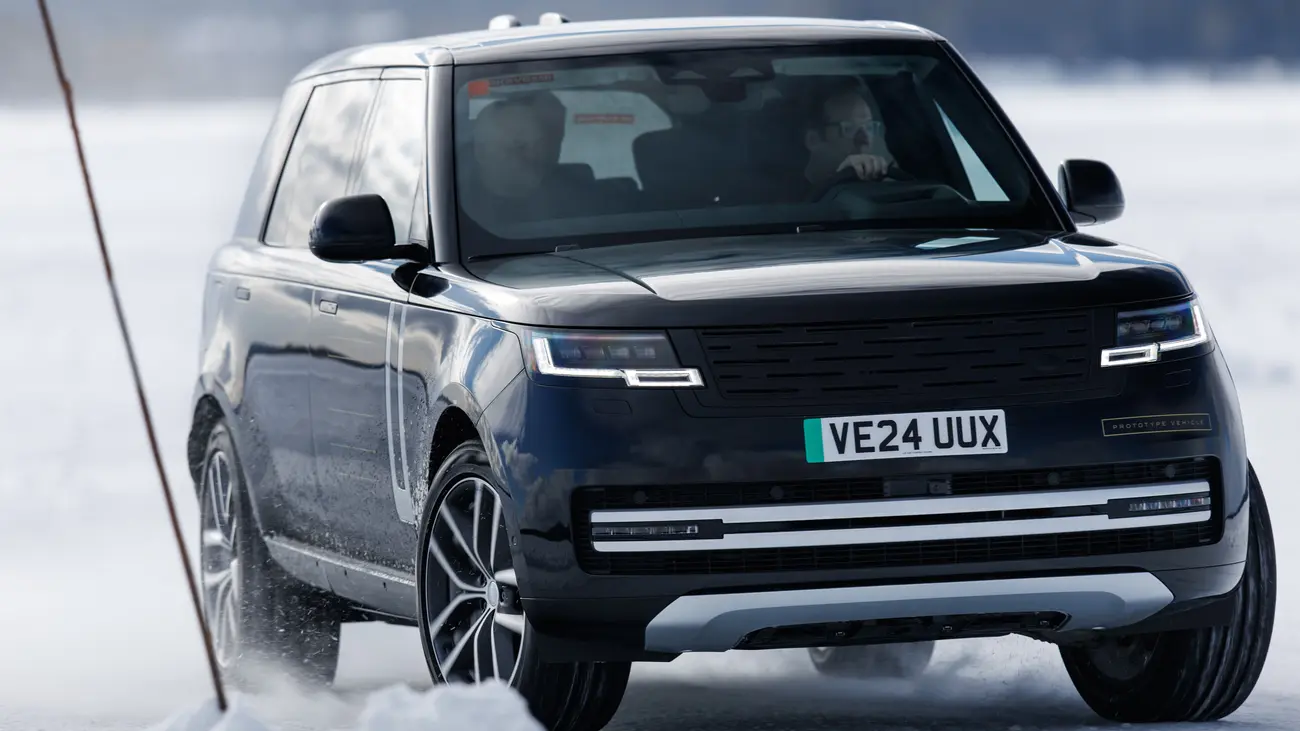
The Portuguese tax advantage is not trivial. An EV is exempt from ISV (the registration tax), pays a reduced IUC (annual road tax), and as a company car carries benefits a petrol V8 cannot match. For someone who was going to buy a top Range Rover anyway, the electric math may be more balanced than the sticker suggests. ISV and IUC are Portugal's two main car taxes, and both lean heavily in the EV's favour.
Range Rover Electric specs: range is the weak spot
The battery is 118 kWh usable, with an 800V architecture and prismatic NMC cells in a cell-to-pack layout, developed in-house by JLR. From it come 542 hp and 627 lb-ft of torque, with two synchronous motors and all-wheel drive. Range Rover figures, now without fuel.
Range is where the story dims. JLR quotes roughly 600 km on the WLTP cycle (around 370 miles) and about 300 miles on the tougher US EPA cycle. That is not bad — it covers most long trips in Portugal — but it trails the rivals. The BMW iX, Volvo EX90 and Mercedes EQS SUV all clear 370-400+ miles. On a car at this price, falling behind on the metric EV buyers care about most is a deliberate gamble.
Charging makes up some of the ground. With a peak of 350 kW on DC, the Range Rover Electric goes 10-80% in about 20 to 25 minutes. During a coffee stop on a Lisbon-Porto run, that is enough range to reach your destination comfortably. At home, on 11-22 kW AC, a full charge takes roughly 8 hours — one night.
The ThermAssist heat pump deserves a mention: it cuts heating energy use by 40% and works reliably down to -10°C, recovering heat as low as -15°C. In a Portuguese winter, that means losing less range when you switch the heating on.
Key specifications
| Specification | Value |
|---|---|
| Usable battery | 118 kWh (800V, NMC, cell-to-pack) |
| Power | 542 hp |
| Torque | 627 lb-ft |
| Drivetrain | All-wheel drive, dual motor |
| Range | ~600 km WLTP (~300 miles EPA) |
| DC charging | 350 kW (10-80% in ~20-25 min) |
| AC charging | 11-22 kW (0-100% in ~8 h) |
| Ground clearance | 260 mm |
| Towing capacity | 2.5 tonnes |
| Wading depth | 33.4 inches |
What you give up versus the combustion Range Rover
Electrifying an off-roader of this calibre comes at a cost. Ground clearance drops to 260 mm, about 10% less than the combustion version. Towing capacity falls to 2.5 tonnes, a cut of nearly 29% against the petrol model. And the breakover angle goes from 27° down to 23°.
Not everything retreats. Wading depth holds at an impressive 33.4 inches (about 85 cm), and the traction control reacts 100 times faster than a combustion engine — a one-millisecond response that makes a real difference on difficult terrain. For anyone using a Range Rover as urban status, none of this matters. For anyone who actually takes it off-road, these are trade-offs worth weighing.
Range Rover Electric vs petrol price: why pay more?
JLR's logic has method to it. The group would rather protect margins than chase volume. Instead of flooding the market, it plans to lean on long-term leasing, control used resale through its own network, and limit volumes to preserve residual value. It is a way to dodge both the EV price wars and the steep depreciation that has punished many luxury EVs.
The bet is on brand strength. JLR is counting on the unique positioning of Range Rover, Defender and Discovery to give it "pricing power" — the ability to charge more without losing the customer. For a Portuguese buyer of a luxury electric SUV, the question is blunt: do the refinement, the quiet (7 dB less than the combustion version) and the badge justify paying above a BMW iX or a Mercedes EQS SUV, both of which cost considerably less and go further per charge?
Not everyone thinks so. The specialist press has already called the strategy "potentially disastrous," warning that after so many delays, a starting price "totally disconnected from the market" could backfire on the brand.
When the Range Rover Electric reaches Portugal
Order books open in the fourth quarter of 2026, with first deliveries between October and December 2026. The car is built in Solihull, UK — home of the Range Rover since 1970 — sharing a line with the electric Range Rover Sport.
The interest is there: around 78,000 expressions of interest have already been registered before launch, and 70% come from people who do not currently own a Range Rover. Portugal is not in the first wave of priority markets — which includes the UK, Ireland, Sweden, Germany and the Netherlands — so arrival here may come after the initial rollout.
If you want a luxury electric SUV available in Portugal right now, there are more affordable options with more range on the market today. But if the goal is specifically a Range Rover, no substitutes, it is worth following the official Portuguese pricing announcements before opening your wallet — the gap to the rivals will be the number that decides everything.
Frequently Asked Questions
There is no official Portuguese price list yet, but the European context points to an entry price around €130,000, with the Autobiography trim climbing past €150,000 and the top SV version exceeding €170,000. Even with the ISV tax exemption that electric cars enjoy in Portugal, this is a car that will rarely land below six figures.
JLR quotes roughly 600 km on the WLTP cycle (around 370 miles) and about 300 miles on the tougher US EPA cycle, from a 118 kWh usable battery. That covers most long trips in Portugal, but it trails rivals like the BMW iX, Volvo EX90 and Mercedes EQS SUV, which all clear 370-400+ miles.
Order books open in the fourth quarter of 2026, with first deliveries between October and December 2026, built in Solihull, UK. Portugal is not in the first wave of priority markets — which includes the UK, Ireland, Sweden, Germany and the Netherlands — so arrival here may come after the initial rollout.
It is a deliberate Jaguar Land Rover strategy: the group would rather protect margins than chase volume, and wants to convince buyers that "the best Range Rover of all time" is electric. Unlike BMW, Volvo or Mercedes, which bring EV prices down toward their combustion equivalents, JLR is betting on brand strength to charge more — a move the specialist press has called "potentially disastrous."
The Range Rover Electric is estimated above €130,000, considerably more expensive than rivals such as the BMW iX and Mercedes EQS SUV, which cost less and offer more range per charge (370-400+ miles versus around 370 for the Range Rover). In its favour are refinement, the badge and a quieter cabin (7 dB less than the combustion version); the choice comes down to how much the brand is worth to the buyer.