
Do Electric Cars Last Longer? Inside a 174-Million-Vehicle Study for Portugal
Published: 14/06/2026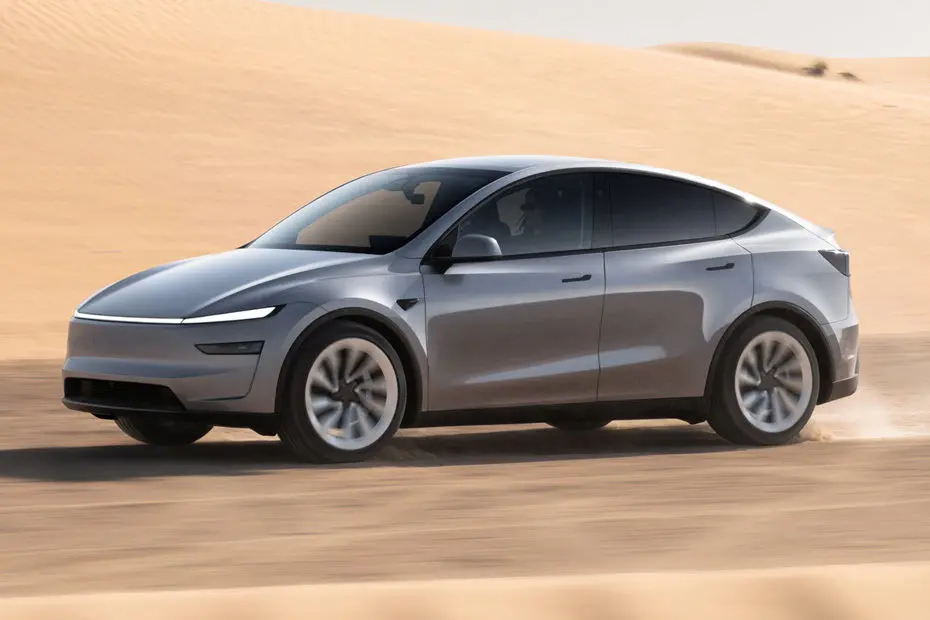
So how long do electric cars actually last?
It's the question that stops a lot of people at the dealership door: will an electric motor really survive the years and the kilometres, or are you buying an expensive headache for later? An iSeeCars study looked at more than 174 million used vehicles to answer that with hard numbers — and the result undercuts much of the fear you still hear around.
The short version: EVs, and Teslas in particular, last as long or longer than plenty of petrol cars everyone considers bulletproof. If you're weighing up a used electric car in Portugal, that changes the conversation.
What the 174-million-vehicle study found
iSeeCars pulled records from over 174 million used cars and worked out, across 32 brands, the probability of each one reaching 250,000 miles — roughly 402,000 kilometres. That's a brutal milestone: most cars never get there.
Tesla landed at a 4.6% chance of hitting that 402,000 km mark. Sounds modest, but the industry average is 4.8%, regardless of powertrain. In other words, Tesla sits essentially level with any combustion car — and ahead of brands with a reputation for going forever.
| Brand | Odds of reaching 402,000 km |
|---|---|
| Toyota | 17.8% |
| Lexus | 12.8% |
| Tesla | 4.6% (tied for 6th) |
| Subaru | 2.3% |
| Nissan | 2.4% |
Tesla beats Subaru, Nissan, Mazda, BMW, Mercedes-Benz and Porsche. Subaru's 2.3% is about half Tesla's score. Toyota and Lexus still sit on top — and to be honest, nobody has dethroned the Japanese on raw longevity yet. But the idea that an EV "won't hold up" simply isn't in the data.
Tesla longevity and high mileage: the Model S case
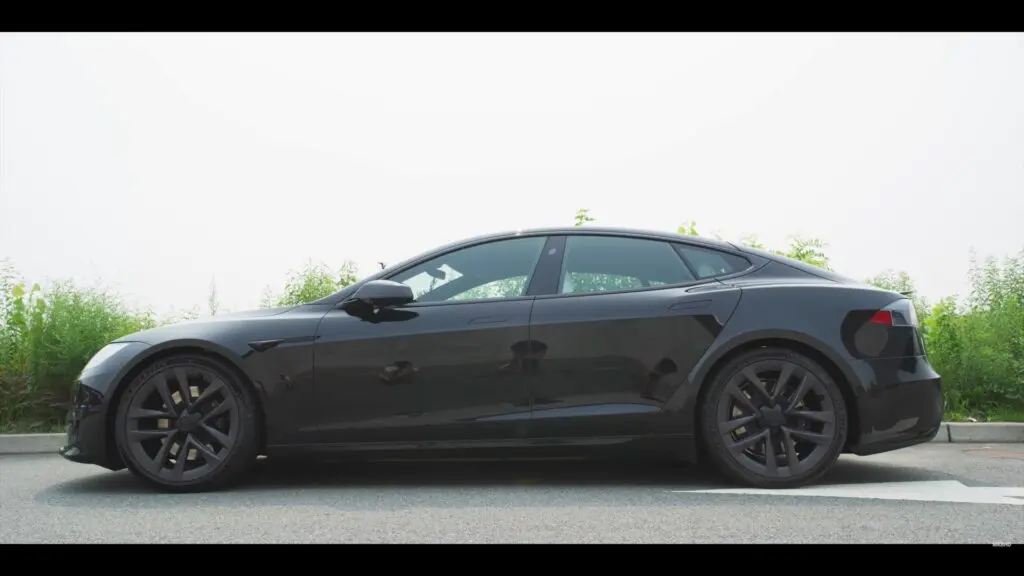
Look only at electric cars and the picture gets sharper. The Tesla Model S ranked first among 35 electric models, with a reliability score of 7.9 out of 10.
The same study estimates a Model S lifespan of around 154,419 miles — close to 248,500 km, or 16.9 years — and gives it a 21.9% chance of reaching 200,000 miles (322,000 km). Some Model S examples have even passed one million miles on their original battery and motor.
The reason is mechanical, not marketing. An electric car has fewer moving parts: no oil changes, no timing belt, no fuel injectors, none of the dozens of engine components waiting to fail. Fewer things to maintain means fewer things to break. And regenerative braking spares the brakes — many owners replace little more than tyres.
Do electric cars last longer than petrol cars? A second study agrees
This isn't a one-off. A separate study, published in Nature and based on UK MOT inspection data, reached the same conclusion: Tesla leads every brand on lifetime mileage, with 204,000 miles on average against 124,000 miles for the average EV, and an estimated lifespan of 20.3 years.
Two large studies, different datasets, same story. When independent sources point the same way, it's worth listening.
How long does an EV battery last before replacement
The battery is the part that worries people most — and the one that collects the most myths. The current data is reassuring:
- Modern EV batteries typically last 15 to 20 years in normal use.
- They degrade about 2.3% per year, gradually — you lose range bit by bit, there's no "sudden death".
- The warranty is usually around 8 years / 160,000 km with most manufacturers.
- On newer EVs (2022 onward), battery replacement rates run around 0.3% outside of recalls.
In practice: a car rated for 300 km of range might deliver around 238 km after 10 years. You lose some margin, yes, but the car stays perfectly usable for daily driving. Extreme heat and constant DC fast charging above 100 kW speed up degradation — worth keeping in mind, but not a dealbreaker.
Frequently Asked Questions
The data is reassuring: modern EV batteries typically last 15 to 20 years and degrade only about 2.3% per year. The iSeeCars study of 174 million vehicles gives Tesla a 4.6% chance of reaching 402,000 km, in line with the 4.8% industry average and ahead of brands like Subaru, Nissan and BMW. In practice, a well-kept EV easily holds up for a second life on the used market.
An EV battery typically lasts 15 to 20 years in normal use, losing roughly 2.3% of capacity per year gradually — there's no "sudden death". Most manufacturers offer an 8-year or 160,000 km warranty, and on models from 2022 onward battery replacement rates run around 0.3% outside of recalls. A car rated for 300 km of range might still deliver around 238 km after 10 years.
According to the iSeeCars study, EVs last as long or longer than many combustion cars considered bulletproof, thanks to fewer moving parts (no oil changes, timing belt or injectors) and regenerative braking that spares the brakes. A second study published in Nature, using UK MOT inspection data, confirms the trend: Tesla leads on lifetime mileage with 204,000 miles on average versus 124,000 for the average EV. On raw longevity, though, Toyota and Lexus still sit on top.
Yes, and longevity is a strong argument: a car that lasts longer spreads its upfront cost over more years and supports a more solid residual value. In Portugal, EVs also benefit from ISV exemption and lower IUC, which strengthens the case. Before closing the deal, check the battery's state of health (SoH), the mileage and service history, and whether the battery is still inside the 8-year / 160,000 km warranty.
Always ask for the battery's state of health (SoH) — ideally above 90% on a car only a few years old. Also check the charging history: a car charged slowly at home tends to age better than one that lived on DC fast charging above 100 kW, especially in hot climates. Confirm the battery is still within the 8-year / 160,000 km warranty and that the model still receives software updates.
Is a used electric car worth it in Portugal?
This is where the study stops being trivia and becomes a buying argument. A car that lasts longer spreads its upfront cost over more years and kilometres, and lowers the chance of costly repairs. That props up a stronger residual value — good news whether you're buying or reselling later.
If you're looking at the used-EV market in Portugal, it pays to check four things before closing the deal:
- Battery health (SoH) — ask for the battery's state of health; ideally above 90% on a car only a few years old.
- Mileage and history — confirm the service record and whether the battery is still inside the 8-year / 160,000 km warranty.
- Software support — updates keep the car receiving improvements and fixes over time.
- How it was used — constant fast charging and hot climates wear the battery harder; a car charged slowly at home tends to age better.
The longevity these studies show only works in your favour if the specific car in front of you was treated well. The data says the potential is there. The rest is asking the right questions before you sign — and remember that in Portugal, EVs also carry tax advantages (ISV exemption and lower IUC) that strengthen the case further.