
Polestar 2 End of Production in China: What It Means for Buyers in Portugal
Published: 08/11/2026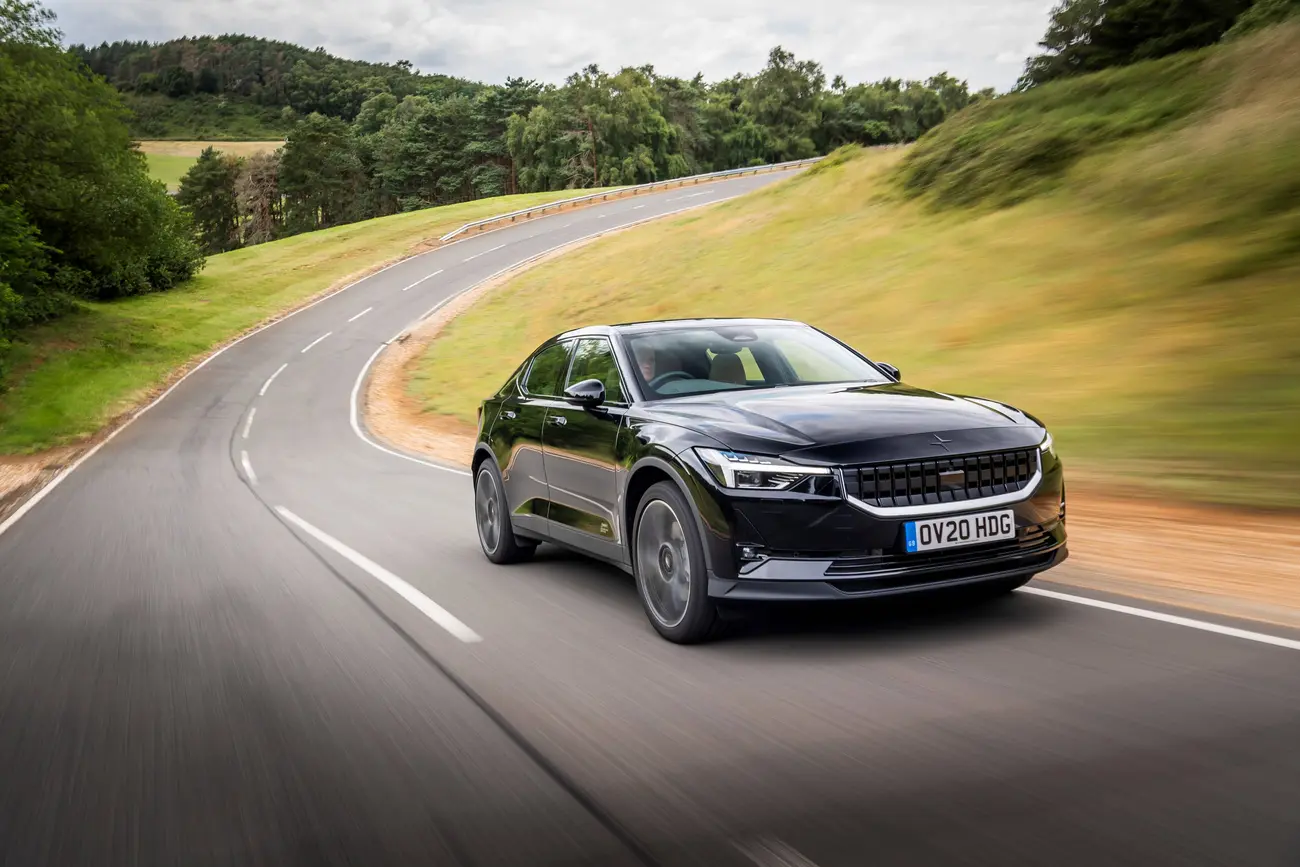
Polestar 2 end of production in China, according to Norwegian media
Just over 200,000 cars in six and a half years. That's the tally for the Polestar 2, whose last units have reportedly rolled off Geely's line in Luqiao, China, according to Norwegian broadcaster TV 2 (Broom). Production there began in March 2020. Polestar hasn't officially confirmed the Polestar 2 end of production, but the signs are hard to miss: in Norway and Sweden the brand's website no longer takes factory orders and points buyers to stock cars instead.
If you live in Portugal, this matters for two reasons. First, the Polestar 2 is increasingly becoming a used-car proposition, with over 200,000 built and many of them coming out of company fleets. Second, an all-new successor is due in early 2027, which could change the maths if you were thinking of buying new.
What the end of production changes (and what it doesn't)
It's the current generation that's ending, not the name. As German site ElektroQuatsch puts it, "the end of production concerns the current generation, not the Polestar 2 name." The car stays on sale for as long as stock lasts.
Each market is handling it differently:
- Norway and Sweden: factory configurations are no longer accepted; only stock cars remain.
- Germany, Austria and Switzerland: as of late October 2026, the configurator was still live.
- Norway (clearance offer): stock cars discounted by roughly €4,300 to €5,200, financing at 1.99% and winter tyres included for 2026 deliveries.
Those Norwegian terms don't automatically carry over to other countries. A similar clearance push could appear elsewhere, but it isn't guaranteed.
Why sales dropped off
German registrations tell the story. The Polestar 2 managed around 7,000 in Germany in 2022, 6,300 in 2023, 2,300 in 2024, 1,700 in 2025 and only about 1,160 up to the end of September 2026. InsideEVs blames mainly the high price, and possibly the EU tariffs on China-built EVs.
Polestar itself is in a transitional phase. In the first half of 2026 it sold 30,423 cars (+0.4%), revenue slipped about 4% to US$1.36 billion, and it cut its full-year growth guidance to "low-to-mid single digit", citing the end of the Polestar 2's lifecycle. Around 80% of the brand's sales now come from Europe.
Polestar 2 battery and range: the final version
The car that's bowing out is the most complete Polestar 2 yet. Since the 2023 facelift (model year 2024), the Single Motor switched from front- to rear-wheel drive, the battery grew to 86 kWh gross (about 80–82 kWh usable) and DC fast charging rose to 205 kW.
| Long Range Single Motor | Long Range Dual Motor | Dual Motor Performance Pack | |
|---|---|---|---|
| Drive | Rear | All-wheel | All-wheel |
| Power / torque | 220 kW / 490 Nm | 310 kW / 740 Nm | 350 kW / 740 Nm |
| 0–100 km/h | 6.2 s | 4.5 s | 4.2 s |
| Top speed | 205 km/h | 205 km/h | 205 km/h |
| WLTP range | 659 km | 596 km | up to 568 km |
| WLTP consumption | 14.8–15.8 kWh/100 km | 15.8–17.2 kWh/100 km | 16.8–17.2 kWh/100 km |
| DC charging (10–80%) | 205 kW / 28 min | 205 kW / 28 min | 205 kW / 28 min |
| Towing | 1,500 kg | 1,500 kg | 1,500 kg |
| Price in Germany | €57,690 | €61,990 | €68,490 |
The Single Motor's 659 km WLTP rating makes a Lisbon–Porto return trip comfortably doable, and 28 minutes from 10 to 80% fits neatly into a coffee stop at a fast charger on MOBI.E, Portugal's national public charging network. The boot holds 405 litres (1,095 with the seats folded), plus a 41-litre frunk.
Weak spots? Tight rear space and seats with little lateral support. Against its direct rivals, pricing doesn't help either:
| Polestar 2 LR Single Motor | BMW i4 eDrive40 | Tesla Model 3 Premium LR RWD | |
|---|---|---|---|
| Power | 220 kW | 250 kW | 235 kW |
| 0–100 km/h | 6.2 s | 5.6 s | 5.2 s |
| WLTP range | 659 km | 613 km | 750 km |
| Boot | 405–1,095 l (+41 l) | 470–1,290 l | 425 l (incl. 85 l frunk) |
| Price in Germany | €57,690 | €61,300 | €44,990 |
Polestar 2 price in Portugal: new or stock?
Tread carefully here. Polestar's Portuguese website has shown Standard Range offers with conflicting figures (€49,900 on one page, "from €40,000" on another), while in Germany that entry-level version (€48,990) was dropped in July 2026. Before deciding, check directly with Polestar which versions and prices are actually available in Portugal.
One advantage still stands: as a fully electric car, the Polestar 2 is exempt from ISV (Portugal's vehicle purchase tax) and IUC (the annual road tax). For company buyers it remains attractive for VAT deduction and autonomous taxation, as long as it stays below the legal price thresholds.
Buying a used Polestar 2: which version to choose
The used market is where the Polestar 2 gets genuinely tempting. In the UK, Electrifying.com notes that a three-year-old example can cost less than half its new price — and slightly less than an equivalent Tesla Model 3.
Differences between the 2021 Polestar 2 and the 2024 facelift
- 2020–2023 (early cars): Single Motor with front-wheel drive and Dual Motor with all-wheel drive (408 hp; 469 hp with the Performance Pack, which later became a paid over-the-air upgrade). Batteries of 69 kWh gross (67 usable) on the Standard Range and 78 kWh gross (75 usable) on the Long Range.
- 2024 onwards (facelift): rear-wheel drive on the Single Motor, bigger battery, more power, more range and 205 kW charging.
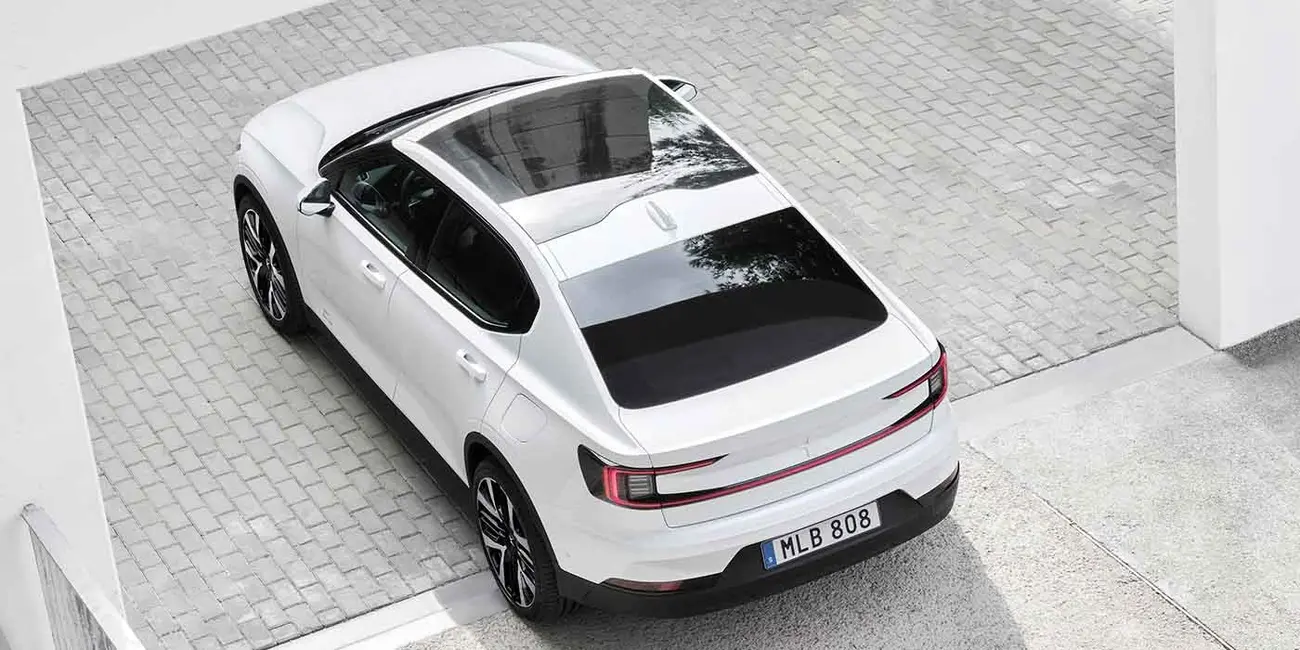
If the budget stretches, later cars drive better and go further. The sweet spot is still a Long Range Single Motor with the Plus Pack, which adds a heat pump, panoramic roof, Harman Kardon audio and electric seats. If you do lots of motorway miles, look for the Pilot Pack too (adaptive cruise with steering assist, 360° camera).
What to check before you buy
- Battery state of health (SoH): many Polestar 2s were fleet cars that saw a lot of rapid charging, but trade sources say most still show over 95% health at three years and 48,000 km. Ask for a report.
- Recalls and software updates: there was a battery control module recall plus several updates. Make sure they've been done, especially if the car wasn't serviced by Polestar.
- Suspension top mounts: these can creak — annoying, not dangerous.
- 12V battery: a common weak spot flagged by several used-car guides.
Polestar 2 battery warranty: 8 years
The battery is covered for 8 years (160,000 km, with a minimum of 70% capacity), which leaves headroom on a 2021 or 2022 car. The vehicle warranty itself is shorter and will already have expired on the earliest examples. Another practical point: EVs imported from other EU countries pay no ISV, so bringing a used Polestar 2 over from Germany or the Netherlands is relatively straightforward.
New Polestar 2 2027: what we know so far
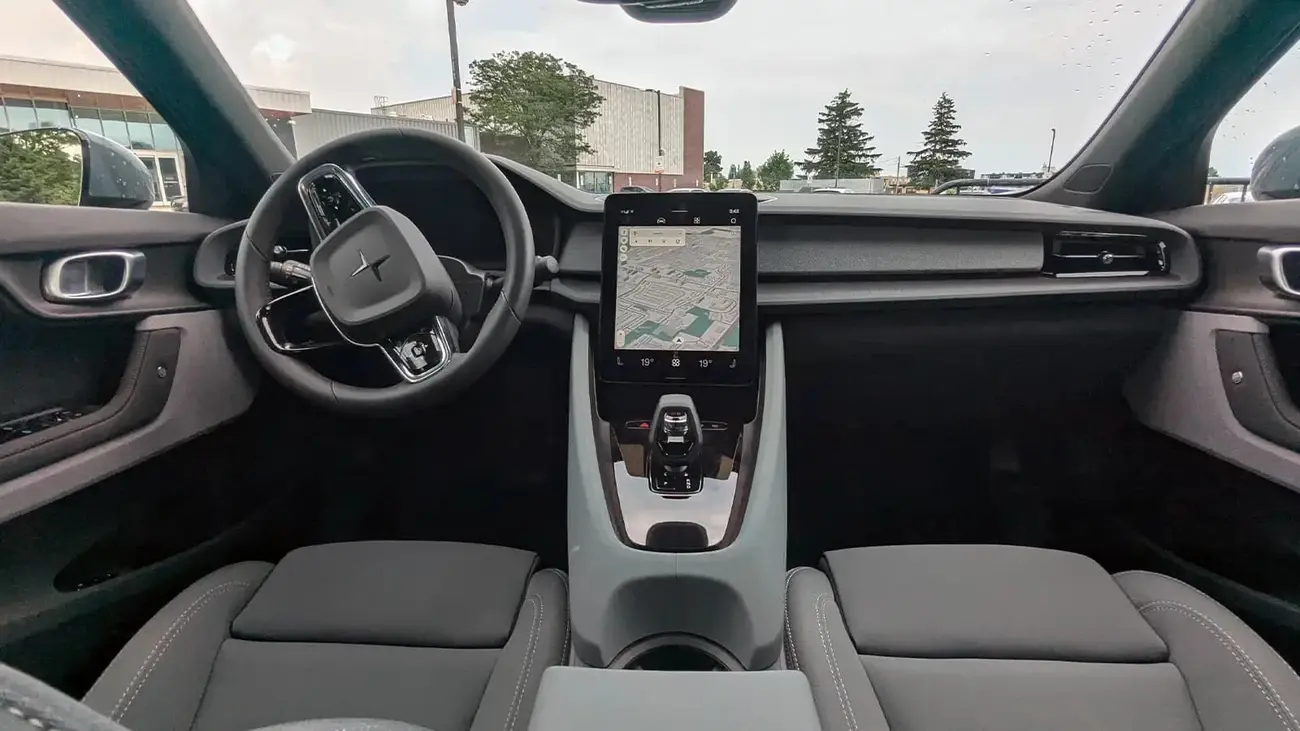
In February 2026 Polestar confirmed a "completely new successor with a planned launch early in 2027" — not a facelift. CEO Michael Lohscheller called the original Polestar 2 "the foundation of our brand."
Everything else is still speculation:
- Platform: according to ElektroQuatsch, it will share a platform with the upcoming Polestar 7, a compact SUV the brand will build in Europe from 2028.
- Technology: InsideEVs Germany expects 800-volt architecture, but Polestar hasn't confirmed it.
- Body style: reports conflict — TV 2 talks about a crossover, while in February CarBuzz said it would remain "a car". Polestar hasn't clarified.
- Battery, range and price: no data yet.
As for Portugal, there are no dates or prices for the new Polestar 2 yet.
Frequently Asked Questions
Not yet. The end of production was reported by Norwegian broadcaster TV 2 (Broom), which says the last units left Geely's Luqiao plant in China in October 2026, after more than 200,000 cars built since March 2020. Polestar hasn't made a formal announcement, but in Norway and Sweden it no longer accepts factory orders and steers buyers to stock cars.
It depends on available stock, and there's no confirmed definitive price for Portugal. Polestar's Portuguese website has shown conflicting figures for the Standard Range (€49,900 on one page, "from €40,000" on another), a version that was dropped in Germany in July 2026. The safest move is to check directly with Polestar which versions and prices are actually on offer before deciding.
The most balanced choice is a Long Range Single Motor with the Plus Pack, which adds a heat pump, panoramic roof and Harman Kardon audio. If the budget allows, facelifted cars (model year 2024 onwards) get rear-wheel drive, an 86 kWh gross battery, up to 659 km WLTP and 205 kW DC charging, versus 69 or 78 kWh gross batteries and front-wheel drive on the 2020-2023 Single Motor.
Ask for a battery state of health (SoH) report: since 2025 Polestar has issued SoH certificates for used Polestar 2s sold through its certified pre-owned programme, and trade sources say most still retain over 95% capacity at three years. The battery is covered for 8 years or 160,000 km with a minimum of 70% capacity, and you should confirm the battery control module recall has been carried out.
Polestar confirmed in February 2026 an all-new successor with a planned launch in early 2027, but there are no dates or prices for Portugal yet. According to trade press it is expected to share a platform with the upcoming Polestar 7, built in Europe from 2028, while an 800 V architecture and the body style remain unconfirmed.
Is a Polestar 2 worth buying now?
It depends on what you're after. If you want a new EV with a full warranty, it makes sense to wait for the first details on the new model — or haggle over a stock car if a Norwegian-style clearance offer shows up here. If you're shopping used, the Polestar 2 end of production changes nothing fundamental: there's plenty of supply across Europe, the batteries tend to age well, and post-2024 cars offer range and charging that are competitive in the segment. Before signing, compare it with a used Tesla Model 3, Hyundai IONIQ 6, Kia EV6 or VW ID.7 — and don't forget to check the recalls.