
New Dacia Spring in Portugal: Price, Range and When It Arrives
Published: 27/06/2026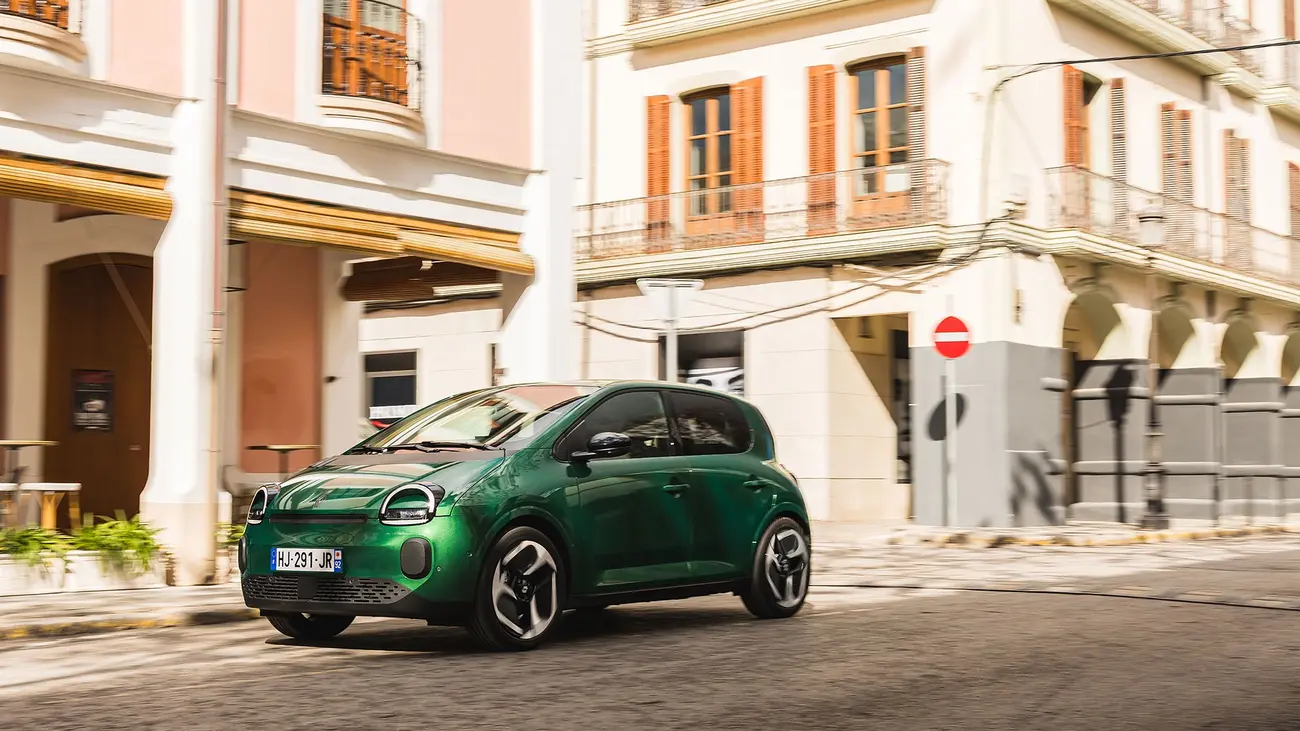
The second-generation Dacia Spring swaps China for Slovenia
Dacia has confirmed it: the Spring is getting a second generation, and the biggest change isn't in the numbers — it's in where the car is built. The new Dacia Spring will no longer come out of China. Instead it rolls off the line in Novo Mesto, Slovenia, the same plant that builds the new Renault Twingo E-Tech. The goal is the same as ever: a city EV under €18,000. The difference this time is that there are no EU tariffs on Chinese-built electric cars eating into the math.
First, let's untangle two things that search results constantly mix up. There's the 2026 facelift of the current Spring — still built in China, with a 24.3 kWh LFP battery, 70 or 100 hp and around 225 km of range, from roughly €16,900. And there's this new second-generation Spring, an entirely different car riding on the Renault Twingo platform. This article is about the second one.
The Dacia Spring on the Twingo platform: meet the "Springo"
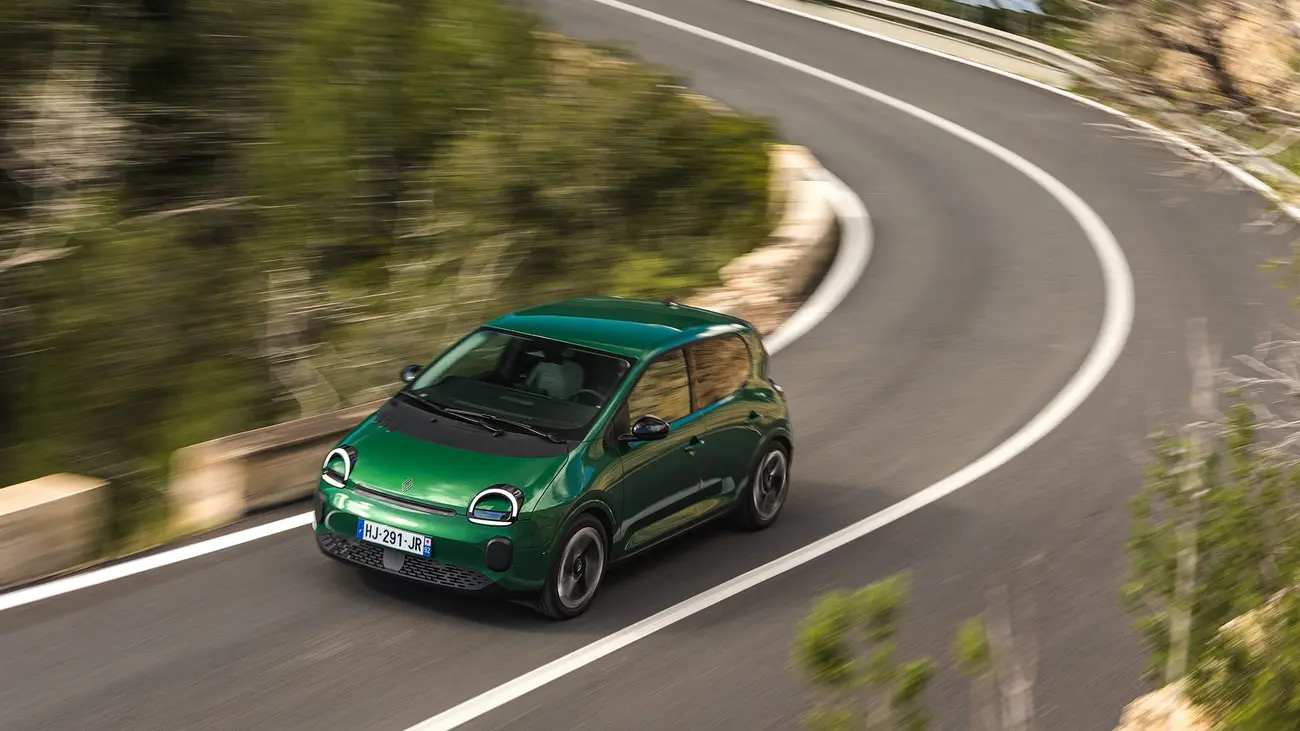
The technical leap is significant. The new Spring drops the Chinese model's underpinnings and moves to the Renault Group AmpR Small platform (formerly CMF-B EV, also called RGEV) — the same base used by the Renault 5 E-Tech, the Renault 4 E-Tech and the new electric Twingo. Internally, the project picked up the nickname "Springo" — Spring plus Twingo. That tells you everything about what's underneath.
Sharing a platform has real consequences. A car built on a modern European base inherits more current structure, electronics and driver-assistance systems than the China-built Spring ever had. Expect emergency braking, lane-keeping assistance and an infotainment system with Apple CarPlay and Android Auto — areas where the original Spring was always bare-bones.
Building in Novo Mesto isn't just an industrial footnote. Manufacturing in Slovenia lets Dacia avoid the tariffs the EU applies to electric cars imported from China and tap incentives in markets like France. That tariff burden is exactly what made the old import-based model increasingly unviable.
Range, battery and charging: what to expect
Official figures only land in autumn 2026, but the Twingo base gives us a fairly reliable picture. These are the expected specs:
| Specification | Expected value |
|---|---|
| Platform | AmpR Small (shared with the Renault Twingo E-Tech) |
| Motor | ~81 hp (cited range 71–102 hp) |
| Torque | ~175 Nm |
| Battery | 27.5 kWh LFP |
| Range (WLTP) | ~240 km (Twingo: ~263 km) |
| Consumption | 12.4 kWh/100 km |
| 0–100 km/h | ~12.1 s |
| Top speed | 130 km/h |
| AC charging | 6.6 kW standard / 11 kW optional |
| DC charging | ~50 kW (10–80% in ~30 min) |
| Seats | 4 |
The 27.5 kWh LFP battery translates to roughly 240 km of WLTP range — more than the current Spring's 24.3 kWh pack and enough for a week of city driving in Lisbon or Porto without charging every day. It isn't a car for doing Lisbon to the Algarve in one leg, and it never set out to be. It's a city car.
On charging, the move to the Twingo platform fixes one of the original Spring's biggest weaknesses. DC fast charging climbs to around 50 kW, taking the battery from 10 to 80% in about 30 minutes. At home or at work, the standard 6.6 kW (with 11 kW optional) is plenty for a full overnight charge.
One word of caution: a Spanish source mentions a possible sodium battery to cut costs. That contradicts the 27.5 kWh LFP cell cited everywhere else, so treat it as speculation until Dacia confirms.
New Dacia Spring price in Portugal: under €18,000
The target is set: under €18,000 in Europe. For Portugal the math works out well. Being fully electric, the new Spring qualifies for ISV exemption (ISV is Portugal's vehicle purchase tax) and a reduced IUC road tax, which keeps the final price close to the list value — unlike an equivalent petrol car, where ISV adds a heavy chunk.
For context, the new Renault Twingo E-Tech starts at around $22,500 in France, and Dacia wants to sit clearly below that. If the brand hits the €18,000 mark and the ~15% cost advantage it claims, the new Spring should land as one of the cheapest new EVs on sale in Portugal.
New Dacia Spring vs Leapmotor T03 and Citroën ë-C3
The competition in this segment already exists, and it's sharp. The Leapmotor T03 plays in exactly the same price and size bracket, and the Citroën ë-C3 offers more range (around 320 km WLTP) for a similar price. The Spring's trump cards are the brand, the Dacia service network and the promise of an aggressive entry price. Anyone shopping for the cheapest city EV will have a genuine decision to make here.
Frequently Asked Questions
Dacia is targeting a price under €18,000 in Europe. In Portugal, being fully electric, it qualifies for ISV exemption and reduced IUC road tax, which keeps the final price close to the list value. Official prices will only be confirmed after the reveal in the second half of 2026, but it is shaping up to be one of the cheapest new EVs on the market.
The reveal is expected in the second half of 2026, with official specs due in the autumn of that year. For a while it will coexist in showrooms with the current China-built Spring, so buyers will be able to choose between the two generations before the European model becomes widespread.
Based on the 27.5 kWh LFP battery shared with the Renault Twingo E-Tech, expect a WLTP range of around 240 km (the Twingo is rated near 263 km). That is more than the current Spring's 24.3 kWh pack and enough for a week of city driving in Lisbon or Porto without charging every day. Official figures land in autumn 2026.
The new Spring moves to the Novo Mesto plant in Slovenia, the same line as the Renault Twingo E-Tech. The switch lets Dacia avoid the tariffs the EU applies to electric cars imported from China and tap incentives in markets like France — that tariff burden is exactly what made the import-based model increasingly unviable.
The Leapmotor T03 plays in the same price and size bracket, while the Citroën ë-C3 offers more range (around 320 km WLTP) for a similar price. The Spring's trump cards are the brand, the Dacia service network and the promise of an aggressive entry price under €18,000, with DC fast charging up to ~50 kW (10–80% in about 30 minutes).
When the new Dacia Spring arrives in Portugal
The reveal is expected in the second half of 2026, with official specs due in autumn. The new Spring will coexist for a while with the current China-built Spring — the two cars will share the showroom despite their similar size and positioning.
The model is only the first piece of a bigger plan: Dacia wants four EVs by 2030, including an electric version of the next Sandero (around 2028) and a possible production version of the Hipster concept. The current Spring has already sold close to 210,000 units since 2021, and the brand has no intention of giving up that foothold at the affordable end of the market.
For buyers in Portugal, the takeaway is simple: a new Dacia EV is coming, built in Europe, with more range and faster charging than today's car, and the ambition to stay the cheapest electric on the market. The official Portuguese prices are the missing number — and the autumn announcement is the one to watch.