
Electric Nissan Qashqai Cancelled: What It Means for Buyers in Portugal
Published: 29/06/2026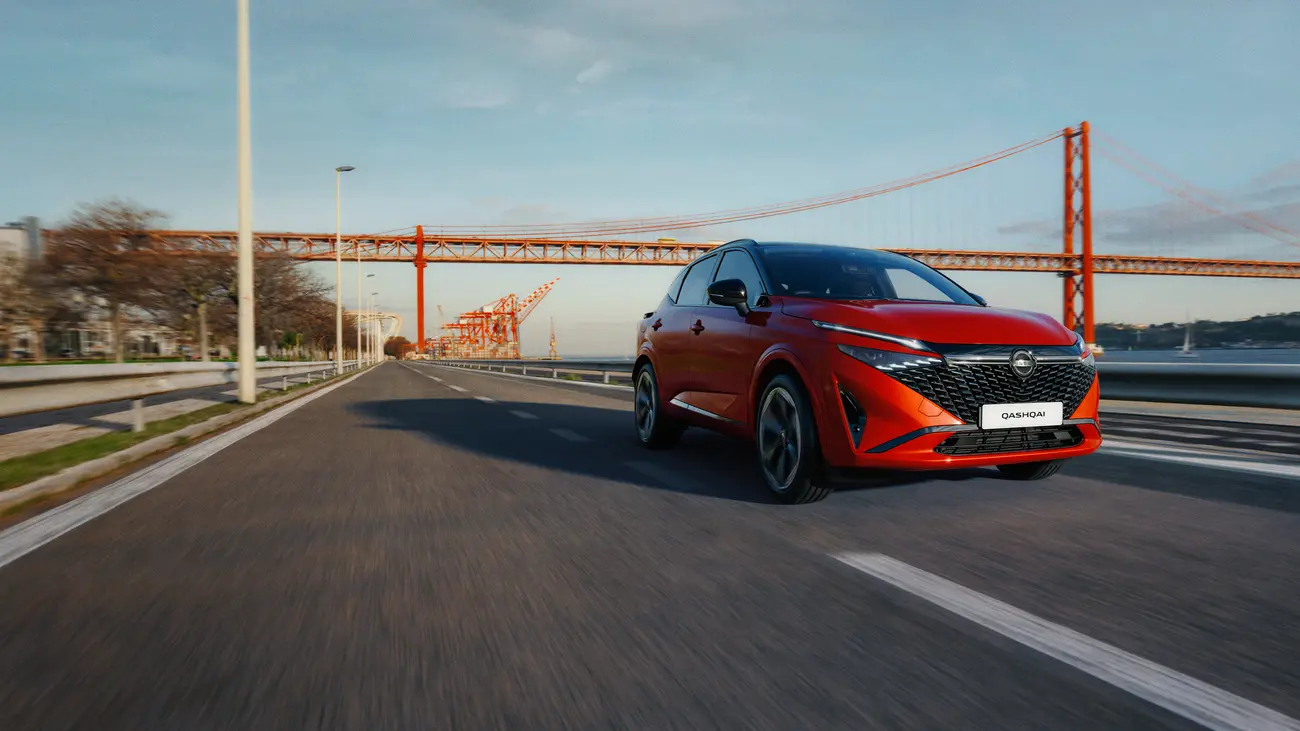
The electric Nissan Qashqai is cancelled — what it means if you're buying in Portugal
Nissan's best-selling car in Europe won't get a fully electric version. At least not any time soon. According to Reuters, citing six sources close to the matter, Nissan quietly halted development of the electric Nissan Qashqai back in early 2025. The news only surfaced this month, and it lands at an odd moment: EV sales across Europe are climbing, yet Nissan is pulling back on its highest-volume model.
If you've been shopping for an electric SUV in Portugal with the Qashqai on your shortlist, the message is blunt. That car doesn't exist, it isn't coming, and Nissan now has other pieces to fill the gap.
Why Nissan cancelled the electric Qashqai
Nissan neither confirmed nor denied the cancellation. The official line points to "significant volatility" in European EV demand and a new "balanced" strategy — meaning more hybrids and less of an all-in bet on batteries.
Behind it sits "Re:Nissan", a heavy restructuring. The brand is cutting its global range from 56 to 45 models, closing several plants (seven in total, per UK reports) and eliminating around 20,000 jobs, close to 15% of its worldwide workforce. The same round axed two electric SUVs planned for the Canton, Mississippi plant, replaced by hybrids, and scrapped JATCO's "three-in-one" EV powertrain project at Sunderland.
The electric Qashqai was one of three EVs promised in 2023 for the Sunderland plant, the UK's largest, alongside the new Leaf and the Juke EV. It never had a firm date. And if revived, two sources say it wouldn't reach showrooms before the early 2030s — after 2030. In practice, that means starting from scratch.
The Sunderland plant built around 273,000 cars in 2025, well below the 500,000-plus peak it once reached.
There's a telling detail too: Nissan signed a preliminary deal with China's Chery to study building Chery models on its Sunderland lines. Worth remembering that brands like Chery and BYD are exactly the ones taking share from legacy carmakers. Nissan is retreating on its best-seller's EV while European electric sales rose 39% last month and 31% year-to-date, already about 20% of new cars sold.
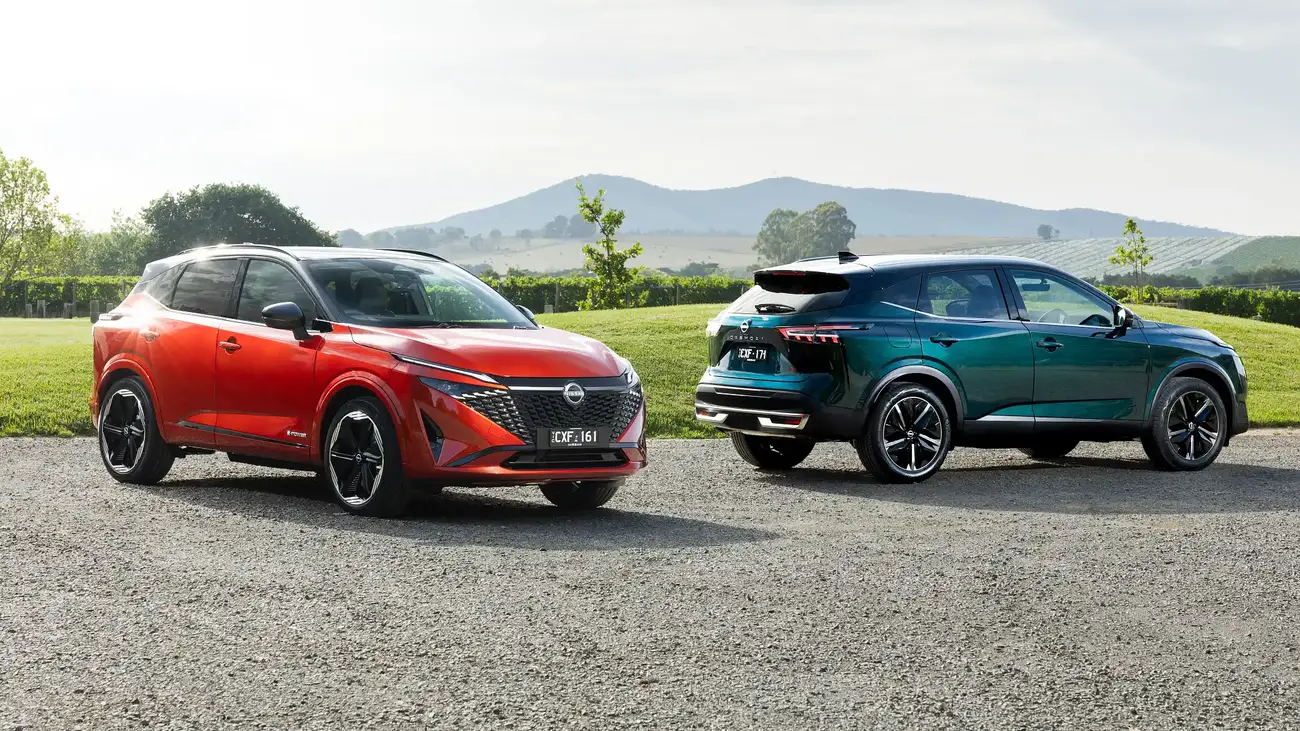
Qashqai e-POWER isn't electric: a confusion worth clearing up
Plenty of people assume the Qashqai already has an electric version. It does, and it doesn't. What's on sale in Portugal are the petrol and the e-POWER hybrid versions.
The e-POWER is a series hybrid. The car has a petrol engine, but that engine never drives the wheels — it only generates electricity to feed an electric motor. The drive feels as smooth as an EV, without ever plugging in. Handy if you want the EV feel without changing habits, but it still burns fuel and emits CO2. It does not count as a fully electric vehicle for incentives, ISV exemption (Portugal's vehicle registration tax) or IUC road-tax benefits.
In short: if you wanted a Qashqai you plug into a socket with zero local emissions, that car has been cancelled.
Electric Nissan Qashqai alternatives in the Nissan range
The good news is that Nissan hasn't quit EVs — it just shifted where it's betting. Two models take on the role the electric Qashqai was meant to play.
New Nissan Leaf 2026: the most direct substitute
The third-generation Leaf is no longer the hatchback we knew. It's now a crossover/SUV, with a body much closer to what a Qashqai buyer is after. Production started in Sunderland in December 2025, on the same line where the electric Qashqai was supposed to be born. For anyone who wanted a C-segment Nissan electric SUV, this is the natural path.
Nissan Ariya: the bigger EV, already on sale
The Ariya is the electric crossover Nissan already has on the market, and it gets a 2026 update with a grille-less front and Google-integrated infotainment. The entry version's figures (German reference):
| Spec | Value |
|---|---|
| Battery | 87 kWh |
| Power | 178 kW, front-wheel drive |
| V2L (power external devices) | up to 3,700 W |
| Price (UK) | from £37,000 |
| Price (Germany) | from €58,840 |
The V2L function up to 3,700 W is more useful than it sounds: it lets you tap the car's battery to power electrical kit — from tools to appliances on a weekend away. The 87 kWh battery puts the Ariya in a range bracket that makes a Lisbon-Porto trip viable with a single fast-charging stop.
In Portugal, the Ariya's final price depends on trim and options, but remember that pure EVs benefit from ISV exemption and reduced IUC — a tax advantage the e-POWER, being a hybrid, doesn't get.
Nissan Juke EV: arriving spring 2027
If you prefer a smaller, more urban SUV, the electric Juke is confirmed for the Sunderland plant, with launch set for spring 2027. It's the third piece of the EV trio Nissan promised — and unlike the Qashqai, this one is still standing.
Frequently Asked Questions
Nissan quietly halted development of the fully electric Qashqai back in early 2025, according to Reuters citing six sources. The official line points to "significant volatility" in European EV demand and a new "balanced" strategy with more hybrids. The decision is part of the "Re:Nissan" overhaul, which cuts the global range from 56 to 45 models, closes seven plants and eliminates around 20,000 jobs.
No date is planned. The project is stalled and, even if revived, two sources say the electric Qashqai wouldn't reach showrooms before the early 2030s — that is, after 2030. In practice it would mean starting from scratch, so anyone wanting a Nissan electric SUV should look at other models in the range instead.
The Qashqai e-POWER is a series hybrid, not an EV. It has a petrol engine that never drives the wheels — it only generates electricity to feed an electric motor, and you never plug it in. The drive feels as smooth as an EV, but it still burns fuel and emits CO2, so it does not count as a fully electric vehicle for ISV exemption, reduced IUC road tax or incentives.
There are three options. The new Nissan Leaf 2026, now a crossover/SUV built in Sunderland since December 2025, is the most direct C-segment substitute. The Nissan Ariya, already on sale, is the bigger EV, with an 87 kWh battery, 178 kW and V2L up to 3,700 W. And the electric Juke is confirmed for spring 2027.
The final price in Portugal depends on trim and options and local figures aren't confirmed yet; as a reference, the entry version starts from £37,000 in the UK and €58,840 in Germany. As a pure EV, the Ariya benefits from ISV exemption and reduced IUC — a tax advantage the hybrid e-POWER doesn't get. It's worth watching the upcoming price announcements for the Portuguese market.
What it means for the Portuguese buyer
If the electric Qashqai was on your list, cross it off. This isn't a delay of a few months; it's a stalled project that, at best, would only reappear after 2030. It makes more sense to look at what exists now.
If you want Qashqai practicality without plugging in, the e-POWER is there. If you genuinely want a Nissan EV, the Ariya is available today and the new Leaf crossover is on the way. And if you're not tied to the brand, the Portuguese market offers a growing lineup of C-segment electric SUVs — much of it coming precisely from the Chinese brands now pressuring Nissan.
Nissan's retreat says less about the Qashqai and more about a brand trying to balance its books. For the buyer, the practical advice is simple: compare real-world range, the final price in Portugal with incentives included, and don't mistake the e-POWER for an EV. It's worth watching the upcoming Ariya and new Leaf price announcements for the local market.