
Mitsubishi Eclipse Cross EV new battery: 67 kWh LFP to bring the price down
Published: 20/09/2026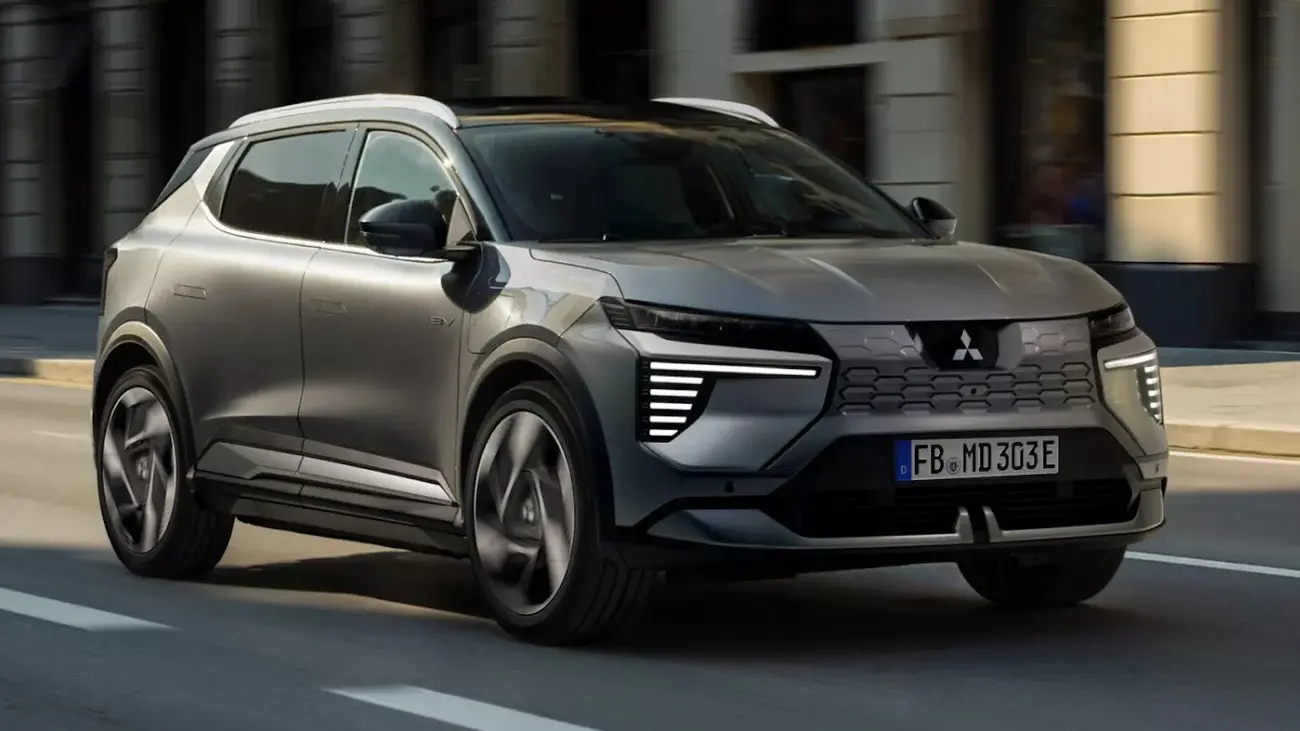
Mitsubishi Eclipse Cross EV new battery: 67 kWh LFP to bring the price down
Mitsubishi's electric family SUV is about to get cheaper to get into. From November, the Eclipse Cross EV adds a new 67 kWh LFP battery, a chemistry that costs less to produce, while the top version swaps its 87 kWh pack for an 89 kWh NMC unit. Mitsubishi Motors Europe announced the changes on 9 September 2026 in Amstelveen, with European orders opening in November 2026.
If you live in Portugal, the first thing you'll want to know is the Mitsubishi Eclipse Cross EV price in Portugal. There isn't an official figure for the new batteries yet — but the prices already published in France, Germany and the Netherlands give a good idea of what to expect here.
Two batteries, one motor
The choice now comes down to range versus price. Everything else stays the same: the 160 kW (220 hp) front motor with 300 Nm, front-wheel drive and the 1,100 kg towing capacity are shared by both versions. Pick the smaller battery and you give up kilometres, not performance.
| Spec | 67 kWh Mid-Range | 89 kWh Long-Range |
|---|---|---|
| Chemistry | LFP, cell-to-pack (232 pouch cells) | NMC |
| WLTP range (Mitsubishi Europe) | 472 km | 650 km (was 635 km) |
| WLTP range (German homologation) | 466 km | 641 km (was 627 km) |
| Consumption (Germany) | 17.0-17.4 kWh/100 km | 16.4-16.8 kWh/100 km |
| Peak DC power | 165 kW | 150 kW |
| Charging 15-80% | about 24 min | about 28 min |
| AC charging | 11 kW (22 kW depending on market/trim) | 11 kW / 22 kW |
| Motor | 160 kW (220 hp), 300 Nm | 160 kW (220 hp), 300 Nm |
| Towing | 1,100 kg | 1,100 kg |
| Availability | November 2026 | November 2026 |
Sources don't fully agree on output — some quote 162 kW or 218 PS. Either way, it's the same motor already sold in Portugal as a 220 hp car.
Mitsubishi Eclipse Cross 67 kWh LFP range
Up to 472 km WLTP is Mitsubishi's claim for the entry version (466 km in German homologation, which varies with wheels and trim). The battery uses lithium iron phosphate cells — no nickel, no cobalt — built straight into the pack (cell-to-pack): 232 pouch cells with 53% space utilisation.
Charging is where it gets interesting. The smaller pack actually accepts more DC power than the big one, 165 kW, and goes from 15% to 80% in about 24 minutes. A coffee stop at a service area on the A1 motorway is enough to add roughly 300 km of WLTP range.
At the homologated 17.0-17.4 kWh/100 km, simple maths gives around 390 km; at 120 km/h on the motorway, expect noticeably less. For drivers who mostly stick to the city and suburbs — Lisbon, Porto, Braga — that easily covers a working week between charges.
Eclipse Cross EV 89 kWh: 650 km and faster charging
The Long-Range version grows from 87 to 89 kWh, lifting WLTP range from 635 to 650 km. Not much. The change you'll actually feel is at the charger: 15% to 80% now takes about 28 minutes, up to 9 minutes quicker than before, even though peak power stays at 150 kW.
This is the one for regular Lisbon-Porto or Lisbon-Algarve runs, when you want your charging stops spaced far apart. At 16.4-16.8 kWh/100 km, it's also slightly more efficient on paper than the 67 kWh car.
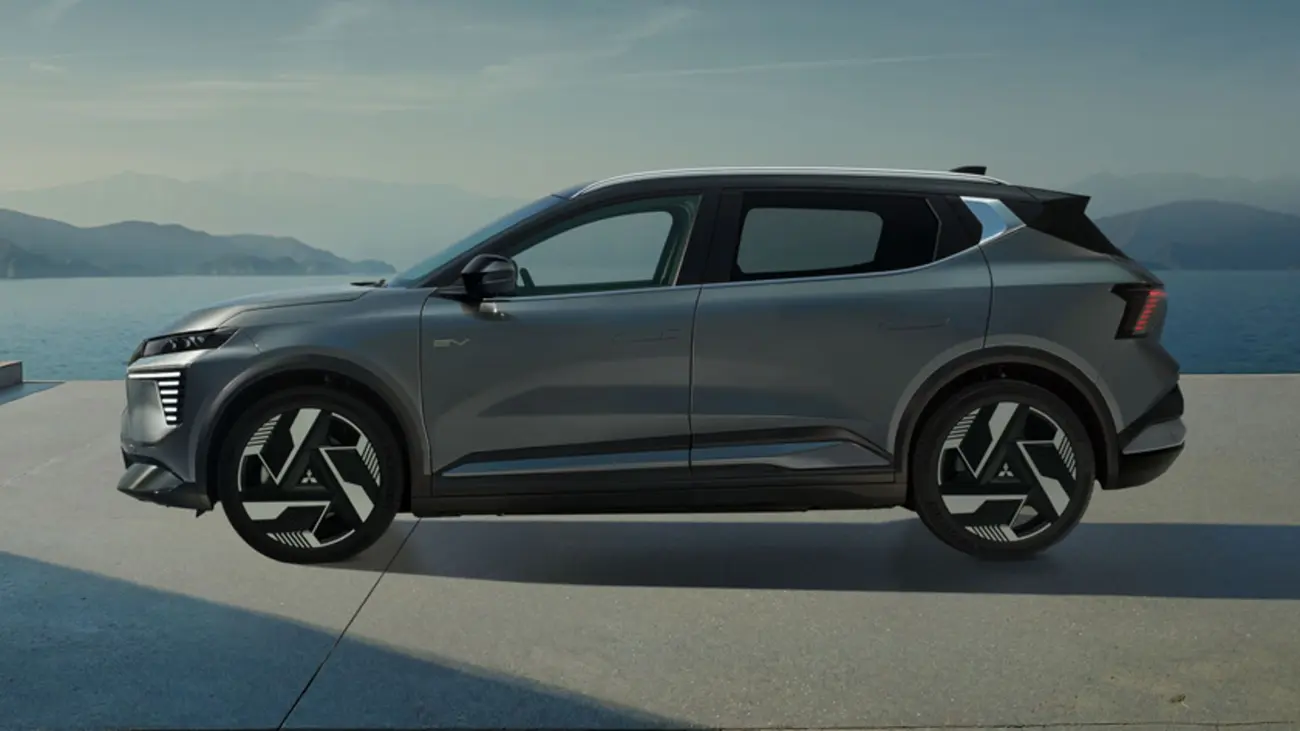
LFP vs NMC battery: which to choose?
- 67 kWh LFP — if you charge at home or at work and mostly drive in and around town. LFP batteries cope well with frequent charging to 100%, and fast-charging times are the shortest in the range.
- 89 kWh NMC — if you do lots of long trips, tow regularly, or don't have a home charger and want fewer visits to MOBI.E, Portugal's public charging network.
Whichever you pick, the battery warranty is the same: 8 years or 160,000 km.
How much will the Mitsubishi Eclipse Cross EV cost in Portugal?
An official Portuguese price for the new batteries? Not yet. What we do have is the launch price: according to the Portuguese motoring press, the Eclipse Cross EV arrived in January 2026 at €44,500 on the road (€43,000 for the first 50 units), sold by importer Astara in a single Intense trim with the 87 kWh battery.
Abroad, the new prices are already out:
| Market | 67 kWh | 89 kWh | Notes |
|---|---|---|---|
| France | €41,390 | €44,990 | €29,990 with Mitsubishi discount (-€6,600) and Coup de Pouce bonus (-€4,800) |
| Germany | from €39,990 | n/a | about €29,990 with dealer discount (€4,000) and state subsidy (up to €6,000) |
| Netherlands | from €32,990 | n/a | includes €3,000 EV benefit; launched at €45,690 |
Our estimate (not official)
In France, the gap between the two batteries is €3,600. If Astara keeps a similar gap and positions the 89 kWh version close to today's price, the 67 kWh car could land at around €41,000 in Portugal. To be clear, that's our own projection based on the Portuguese launch price and the French, German and Dutch figures — Portuguese VAT (23%) is higher than in France (20%) and Germany (19%), and launch discounts vary a lot between markets.
One advantage doesn't depend on the importer: as an EV, the Eclipse Cross is exempt from ISV (the one-off registration tax) and IUC (annual road tax), and it remains a tax-efficient option for company cars compared with a combustion SUV.
Mitsubishi Eclipse Cross vs Renault Scénic E-Tech: what's different
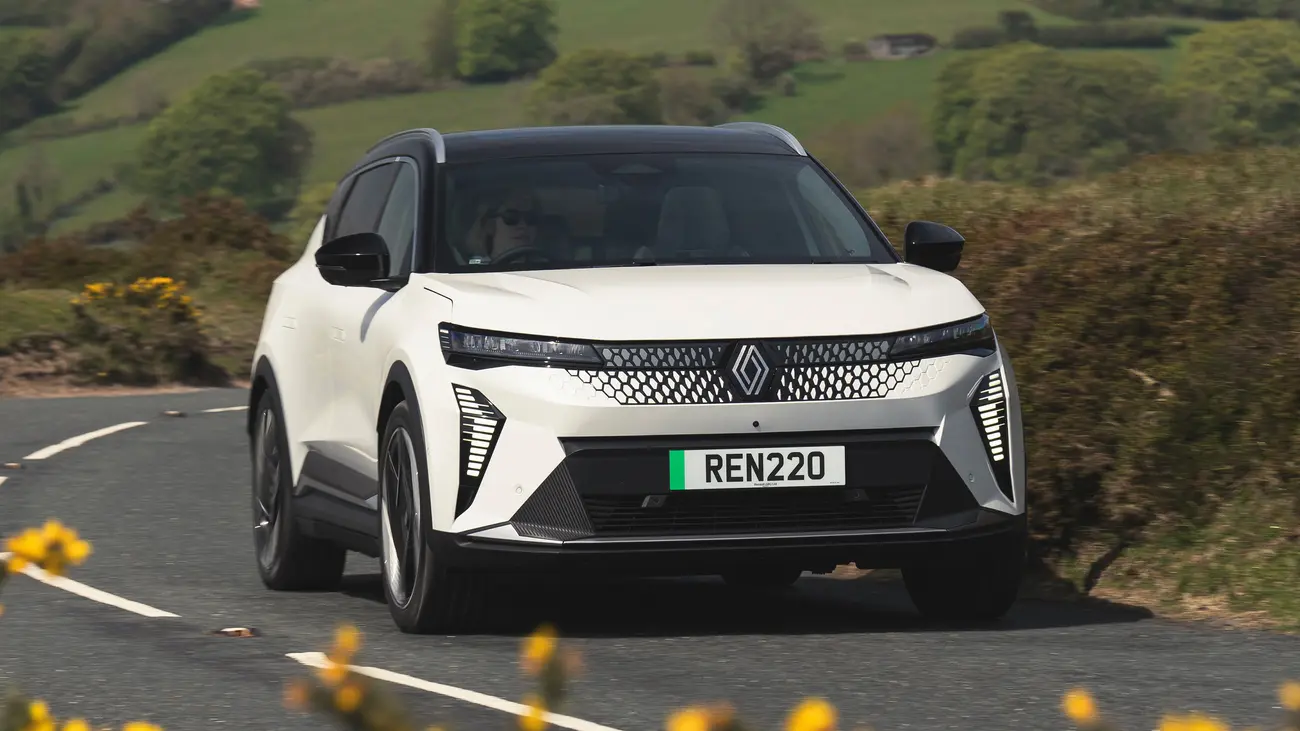
Underneath, they're essentially the same car. The Eclipse Cross is built by Renault at its Douai plant in France on the AmpR Medium platform (now renamed RG Medium 1.0), shared with the Renault Scénic E-Tech — and it gets the same battery technology as the Scénic's update.
The differences come down to exterior styling and, above all, Mitsubishi's warranty package:
- 5 years or 100,000 km factory warranty, plus a 3-year conditional extension (8 years or 160,000 km in total)
- 8 years or 160,000 km battery warranty
- 12 years anti-perforation corrosion warranty
- 8 years of roadside assistance
Inside, you still get twin 12.3-inch screens and Renault's Google-based infotainment. There are no exterior design changes with this update.
If you're cross-shopping the two in Portugal, the decision is likely to come down to each importer's final price, which dealer is closest to you, and how much that 8-year warranty package is worth to you.
Frequently Asked Questions
Mitsubishi Motors Europe announced the new 67 kWh LFP and 89 kWh NMC batteries on 9 September 2026, with European orders opening in November 2026. Astara, the brand's importer in Portugal, has not yet confirmed a local launch date or official price for these versions. Until then, the version on sale in Portugal remains the Intense with the 87 kWh battery.
Using the standard 11 kW onboard charger on a three-phase wallbox, a full charge works out to roughly 6-7 hours for the 67 kWh battery and about 8-9 hours for the 89 kWh pack (an estimate that ignores charging losses). Depending on market and trim, a 22 kW onboard charger may be available, cutting those times roughly in half. A regular household socket is much slower and is best suited to partial overnight top-ups.
Yes. LFP (lithium iron phosphate) batteries handle frequent charging to 100% well, unlike NMC packs, where daily use is usually best capped at around 80%. That means you can use the full 472 km WLTP range of the 67 kWh version. Both batteries are covered by Mitsubishi's 8-year or 160,000 km warranty.
As a fully electric car, the Eclipse Cross is exempt from ISV (vehicle purchase tax) and from annual IUC road tax. For businesses, the 87 kWh Intense launched from 34,960 EUR + VAT, and electric company cars keep a more favourable tax treatment than combustion models. Business prices for the new 67 kWh and 89 kWh versions have not been announced yet.
The Eclipse Cross EV can tow up to 1,100 kg with either the 67 kWh or the 89 kWh battery, as both share the same 160 kW (220 hp), 300 Nm motor. Towing raises consumption significantly, so regular towers benefit from the 650 km WLTP range of the 89 kWh version. The boot holds 545 litres, expanding to 1,670 litres with the rear seats folded.
Is it worth waiting for the new version?
If you haven't ordered yet, yes. The 67 kWh battery should lower the entry price of a 220 hp family SUV with 165 kW fast charging, and the 89 kWh pack fixes the current car's weakest point: charging time. If you're buying an 87 kWh car now, ask for a discount that reflects these versions arriving.
Next up is Astara's official price announcement. Until then, it's worth comparing against the family electric SUVs already on sale and keeping an eye on the first cars reaching dealers in November.