
Leapmotor: The New Competitor to the Renault 5 Electric
Published: 16/03/2026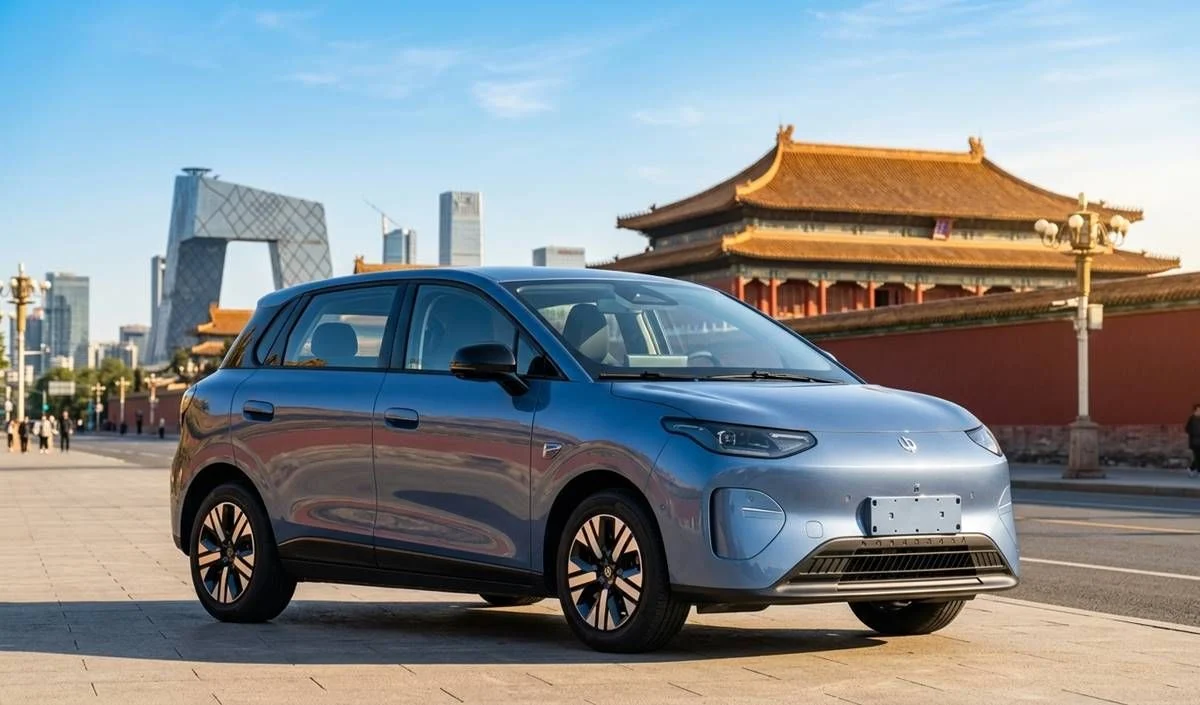
Leapmotor: The New Competitor to the Renault 5 Electric
The European electric vehicle market is expanding, with new brands emerging and challenging established models. A notable example is Leapmotor, a Chinese brand positioning itself as a strong contender against the anticipated Renault 5 electric. This article explores the features of Leapmotor's new model, analyzing its specifications and how it compares in the Portuguese EV market.
Technical Features of the Leapmotor
Leapmotor stands out for its compact and efficient design, ideal for urban driving. Here are some of the key technical specifications of this model:
- Range: Leapmotor offers a range of approximately 300 km on a single charge, making it competitive for urban commutes and short trips.
- Power: With an electric motor capable of delivering around 100 kW (approximately 136 hp), Leapmotor promises agile and responsive driving.
- Battery: Equipped with a state-of-the-art lithium-ion battery supporting fast charging, allowing recovery of up to 80% charge in about 30 minutes.
- Dimensions: Compact dimensions designed for easy parking and navigation on narrow streets, an advantage in urban areas.
Price and Availability in the Portuguese Market
The price of the Leapmotor electric has not been officially announced for the Portuguese market, but it is expected to be competitive compared to the Renault 5 and other urban models. Based on typical EU pricing, the initial cost is estimated to be around €20,000 to €25,000, considering the 3-5% VAT adjustment in Portugal.
Comparison with the Renault 5 Electric
The Renault 5, an icon set to return in electric form, will be a direct competitor to Leapmotor. Here's how the two compare:
| Feature | Leapmotor | Renault 5 |
|---|---|---|
| Range | 300 km | 400 km |
| Power | 100 kW | 100 kW |
| Estimated Price | €20,000 - €25,000 | Approximately €25,000 |
| Fast Charging | Yes | Yes |
Implications for Portuguese Consumers
For Portuguese consumers, the choice between Leapmotor and Renault 5 may depend on brand preference, after-sales service, and local support. Leapmotor, being a new brand in Europe, may need time to establish its service network, while Renault already has a more established support system.
Frequently Asked Questions
The Leapmotor T03 is the model that most directly competes with the Renault 5 electric in the compact urban segment. Priced from €18,500 in Portugal, the T03 is a fully electric five-door city car measuring 3.62 metres in length, positioning itself as a more affordable alternative to the Renault 5 E-Tech Electric.
The Leapmotor T03 starts at approximately €18,500 to €19,600 in Portugal, while the Renault 5 E-Tech Electric has an estimated starting price of around €25,000. The price difference can be significant, making Leapmotor one of the most affordable electric options on the Portuguese market, although the Renault 5 offers greater range and power.
The Leapmotor T03 features a 37.3 kWh battery with a range of approximately 265 km (WLTP) and 95 hp. The Renault 5 E-Tech Electric offers up to 400 km of range with a 52 kWh battery and 150 hp. Both support fast charging, with the T03 recovering up to 80% charge in approximately 30 minutes.
Yes, Leapmotor has been available in Portugal since 2025, distributed through a partnership with Stellantis, which holds a 20% stake in the Chinese brand. It currently has six authorised dealerships in cities including Braga, Porto, Viseu, Lisbon, Amadora, and Setúbal, with plans to expand to 14 sales points by the end of 2026.
Leapmotor's main advantage is its lower price, with the T03 costing approximately €6,000 to €7,000 less than the Renault 5. Additionally, the Stellantis partnership ensures access to a growing service network and financing solutions. On the other hand, the Renault 5 offers greater range (400 km vs 265 km), an already well-established service network in Portugal, and the prestige of an established European brand.
The Future of Leapmotor in Portugal
With the growing demand for electric vehicles, Leapmotor has the potential to capture a significant share of the Portuguese market, especially among consumers seeking an affordable and efficient option for daily urban use. The introduction of new brands like Leapmotor indicates how the electric vehicle market is diversifying, offering more options to consumers.
Conclusion:
As Leapmotor prepares to enter the Portuguese market, it will be interesting to see how it positions itself against competitors like the Renault 5. With a solid offering of performance and price, Leapmotor could become an attractive choice for those seeking innovation and efficiency. The future of electric vehicles in Portugal promises to be exciting, with more and more options available to consumers.