
Leapmotor Premium Brand for Portugal: 2027 Launch and Expected Pricing
Published: 02/05/2026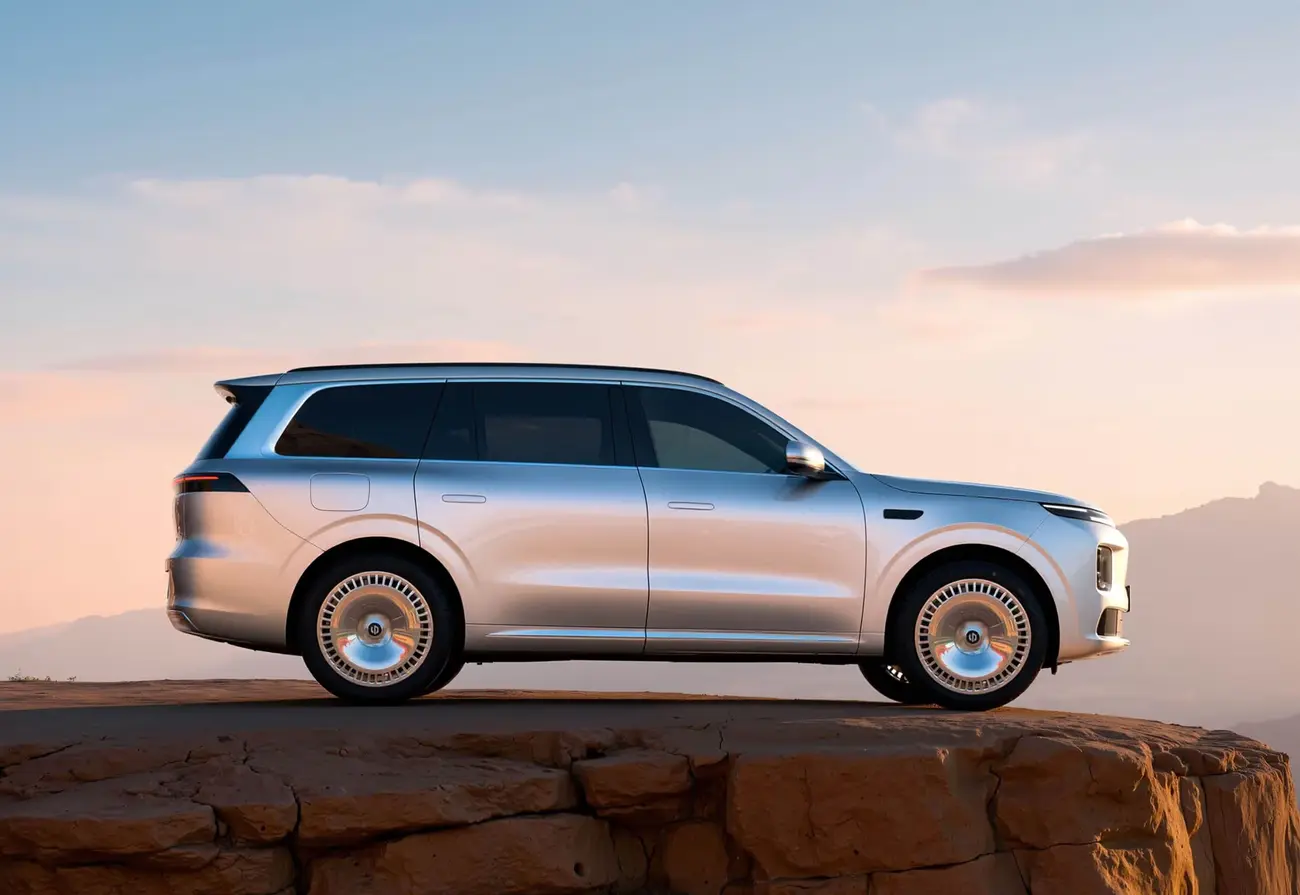
Leapmotor is building a premium brand for 2027 — and Europe is in its sights
Leapmotor, the Stellantis-backed Chinese EV maker that already sells the T03 and C10 in Portugal, will launch an entirely new brand in 2027 focused on cars priced above 300,000 yuan — roughly 40,000 euros at today's rates. The story, first reported by LatePost and confirmed by multiple industry sources, marks a clear strategic shift: Leapmotor wants out of the "cheap Chinese EV" box and into the segment where DS, BMW i and Mercedes EQ fight for buyers.
For Portugal-based buyers this matters for two reasons. First, Stellantis has been assembling Leapmotor cars at a Spanish plant since late 2026, which dramatically shortens the route to Portuguese dealerships. Second, a properly funded Chinese premium brand could finally pressure pricing in a luxury EV segment that German makers have run almost unchallenged.
Why Leapmotor needs a premium brand
One number explains everything: Leapmotor makes only 905 yuan in net profit per car sold — barely 110 euros. The weighted average price across its full lineup sits around 125,000 yuan (about 18,100 USD), in the same league as Mazda or Haval. With a target of one million cars and 5 billion yuan in net profit for 2026, the only way to grow margins is to go upmarket.
The playbook is familiar. Toyota did it with Lexus. Nissan did it with Infiniti. BYD is doing it now with Denza and Yangwang. Leapmotor follows the same script: a fully independent sales network, a separate identity, and a clean break from the affordable-EV image it built over the last few years.
The Stellantis advantage
This is where the Stellantis tie-up gets interesting. The Italo-French group owns 21% of Leapmotor and controls 51% of Leapmotor International — the joint venture handling sales outside China. More importantly, Stellantis knows how to run premium brands. It owns Maserati, DS, Alfa Romeo and Lancia. It knows how to build luxury dealership networks, train aftersales staff for demanding customers, and position product above 50,000 euros.
For a Chinese brand needing premium credibility in Europe, that is a shortcut neither NIO nor XPENG can match.
The D19 already shows where Leapmotor is heading
Before the new brand arrives, Leapmotor is already testing the waters with the D19 — its current flagship, launched on 16 October 2025. The specs hint at what to expect:
| Spec | Value |
|---|---|
| Price (China) | 250,000-300,000 yuan |
| Length | over 5.2 m |
| Wheelbase | 3.1 m |
| Seats | 6 (three rows) |
| BEV battery | CATL 115 kWh, 1000V architecture |
| BEV range | 720 km (Chinese cycle) |
| Fast charging | 350 km in 15 minutes |
| EREV version | 80.3 kWh battery + 40L fuel tank |
| EREV electric range | over 500 km |
| EREV combined output | 400 kW |
| Compute | dual Snapdragon 8797 (1,280 TOPS) |
| Turning radius | 3.6 m |
The CATL 115 kWh battery on a 1000V architecture is more than a forum-level spec sheet detail — in practice it means recovering 350 km of range in fifteen minutes at a fast charger. For Portugal, that translates into doing Lisbon to the Algarve with a single short coffee stop. The new premium brand should inherit this technology base, likely retuned for European norms (WLTP range rather than the more optimistic Chinese cycle).
What this means for the Portuguese market
The local context is encouraging. In Q1 2026, Leapmotor registered 23,300 units across 16 European countries — a 726.5% year-over-year jump. Pure-electric sales hit roughly 17,000 units across 12 EU countries, putting the brand first among Chinese makers in the European BEV segment. CKD assembly in Spain, which started in Q4 2026, shortens delivery times and reduces currency risk.
Expected price in Portugal
If the Chinese starting point is 300,000 yuan (around 40,000 euros), the European price will inevitably climb. Logistics, WLTP homologation, Euro NCAP requirements and dealer margins typically add 30 to 50% to the Chinese price. In Portugal, EVs benefit from ISV exemption (Portugal's vehicle registration tax) and reduced IUC (annual circulation tax), which softens but does not erase the tax impact.
Reasonable estimate: the new Leapmotor premium brand should land between 55,000 and 75,000 euros in Portugal depending on the model. That puts it in DS N°8, BMW iX1 and Mercedes EQA/EQB territory. It will not be chasing Porsche Taycan or BMW iX buyers, at least not in the first generation.
Where Leapmotor can win
The MOBI.E charging network keeps expanding, and 150 kW chargers are now common on Portuguese motorways. A car built on a 1000V architecture takes full advantage of that infrastructure. Combine that with a price 15 to 20% under the German equivalent, and the proposition makes sense for buyers who want a premium electric SUV without paying the badge premium.
The open question is the dealer network. Leapmotor sells in Portugal through Stellantis structures, but a dedicated premium brand needs its own showrooms, specialist training and a different kind of customer experience than what works for a 22,000-euro T03. If Stellantis leans on its DS or Maserati infrastructure, the rollout can be quick. If it has to build from scratch, 2028 or 2029 are more realistic dates for Portugal.
Frequently Asked Questions
The global launch is planned for 2027, focused on models priced above 300,000 yuan (around 40,000 euros). The Portuguese arrival depends on the dealer network: if Stellantis leverages its existing DS or Maserati infrastructure it could happen in 2027, otherwise 2028-2029 are more realistic dates for the local market.
Models from the new brand are expected to land between 55,000 and 75,000 euros in Portugal depending on the version. The Chinese 300,000 yuan starting point (around 40,000 euros) typically rises 30 to 50% in Europe because of logistics, WLTP homologation and Euro NCAP, although Portugal's ISV exemption and reduced IUC for EVs soften the tax impact.
The new brand will compete with the DS N°8, BMW iX1 and Mercedes EQA/EQB, positioned 15 to 20% below the German rivals on price. The technical edge comes from the 1000V architecture and CATL 115 kWh batteries (on the current D19), enabling 350 km of range recovery in 15 minutes — something few European premium EVs match today.
CKD production for Europe started in Q4 2026 at a Stellantis plant in Spain, shortening delivery times and reducing currency risk. In Q1 2026, Leapmotor already registered 23,300 units across 16 European countries (+726.5% year-over-year), leading all Chinese brands in the EU BEV segment.
Pure-electric vehicles in Portugal qualify for full ISV (vehicle registration tax) exemption and reduced IUC (annual circulation tax), which can mean savings of several thousand euros versus an equivalent combustion model. The MOBI.E charging network keeps expanding, with 150 kW and faster chargers now common on motorways — fully leveraging the 1000V architecture Leapmotor is expected to carry over to its new premium brand.
Risks worth watching
Chinese analysts cited by CarNewsChina point to two concrete problems. The first is technical: if the new brand shares platforms, electronics and battery suppliers with the existing range, justifying prices above 300,000 yuan gets hard. The second is brand equity: building genuine premium perception takes years. Lexus needed a decade to stop being "the expensive Toyota" in Western markets. Infiniti never quite got there.
What works in Leapmotor's favour is timing. With Stellantis handling channels and aftersales in Europe, and with premium EV pricing still a real barrier for many European buyers, the window is open. The D99, which follows the D19 later in 2026, will give the first hints about how Leapmotor manages this transition.
For now, it is a plan worth tracking. The next twelve months should bring the new brand's name, the first confirmed model and — hopefully — a concrete date for European arrival. In Portugal, the production announcements from the Stellantis plant in Spain are the signal to watch: that is where the question of "early or late to Portuguese dealers" gets decided.