
Leapmotor 800V: Cheap Electric Cars with Porsche-Grade Charging
Published: 20/07/2026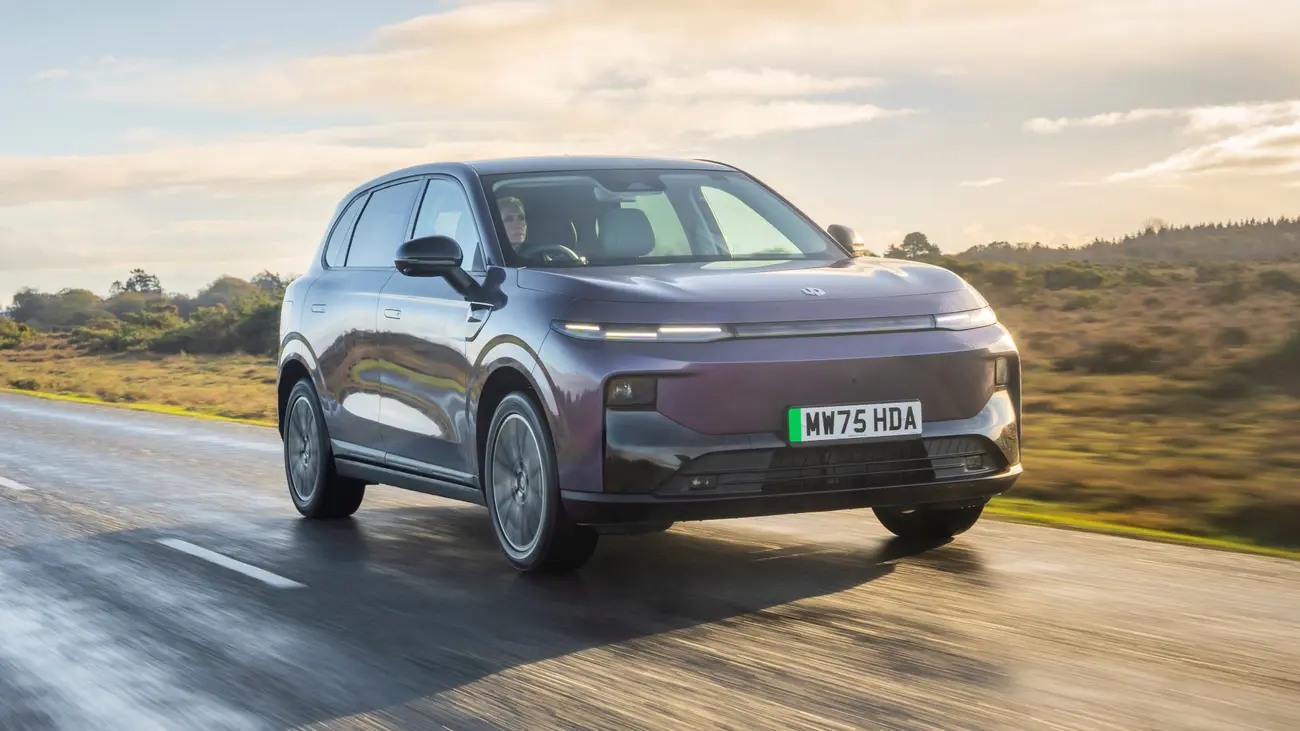
Porsche-grade tech in a €13,000 electric car
Until recently, an 800V architecture was a luxury item. It lived in the Porsche Taycan, the Audi e-tron GT, Hyundai's E-GMP models — cars costing 60,000, 80,000, 100,000 euros. It was the piece that separated the premium EV from the affordable one. Leapmotor has just torn that line down.
On 16 July 2026, the Chinese brand revealed refreshed B10 and B01 models built on a full-stack 800V silicon-carbide (SiC) platform, priced below $15,000 in China. That is why the phrase Leapmotor 800V cheap electric cars suddenly started circulating — and why it's worth understanding what actually changes, especially for expats who can already buy a Leapmotor in Portugal through Stellantis.
Why 800V used to be premium-only
A car's system voltage largely dictates how quickly its battery can accept a charge. A 400V car — the standard in nearly every affordable EV — has to push a lot of current to reach high charging power. More current means more heat, thicker cables, pricier components, and a hard physical limit on what the battery tolerates before it starts degrading.
Doubling the voltage to 800V solves half the problem: for the same power, you need half the current. Less heat, fewer losses, and the ability to hold fast-charge rates for longer. The catch was always cost. Silicon-carbide semiconductors and high-voltage electronics were expensive to build, so they only made sense in cars where the margin absorbed the extra. Leapmotor has pushed the whole package into the entry segment — and that is the real headline.
800V vs 400V EV charging: what changes for the driver
In practice, the 800V benefit boils down to one thing: time spent standing at a charger. The B10 and B01 charge from 30% to 80% in 16 minutes thanks to 800V 3C fast charging. That's the length of a coffee stop at a motorway services.
For comparison, many 400V EVs in the same price bracket take 30 to 45 minutes for the same jump. The Lafa 5, the hatchback sibling, does the run in about 19 minutes and claims 200 km of range recovered in 5 minutes. This isn't a spec-sheet footnote — it's the difference between a Lisbon-to-Algarve trip with a quick stop and one where the stop stretches your whole lunch.
Leapmotor B10 and B01: China prices and range
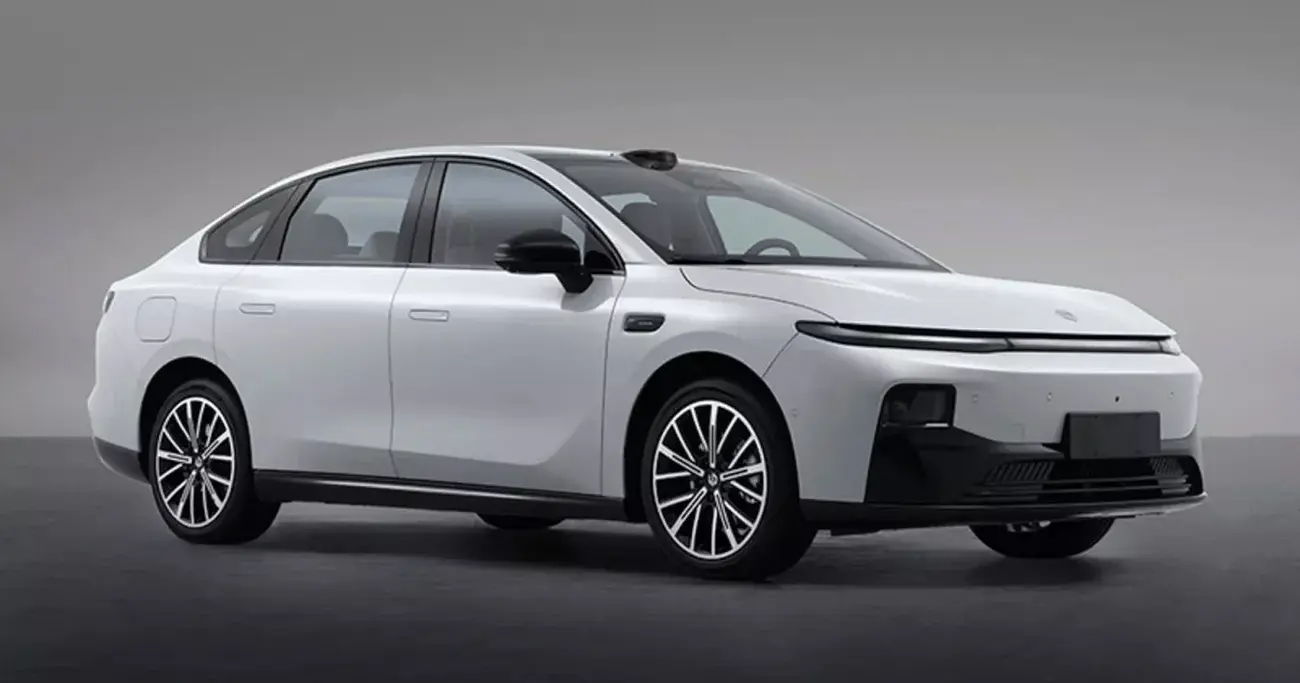
The two cars that opened this door are a compact SUV (B10) and a compact sedan (B01). Both share the same 800V SiC platform, a Qualcomm 8295 chip and LiDAR sensors as standard.
| Spec | B10 (SUV) | B01 (sedan) |
|---|---|---|
| Platform | 800V SiC | 800V SiC |
| Starting price (China) | 99,800 yuan (~$14,700) | 95,800 yuan (~$14,100) |
| CLTC range | up to 610 km | up to 670 km |
| DC charge 30–80% | 16 min | 16 min |
| Motor power | 132 / 180 / 185 kW | 132 / 180 / 185 kW |
| 0–100 km/h | 6.4 s | 6.1 s |
| Dimensions (mm) | 4515 × 1885 × 1655 | 4770 × 1880 × 1490 |
The B01's entry price of roughly 95,800 yuan works out to about 13,000 euros at a straight exchange rate — hence the number in the headline. To be clear: these are Chinese-market figures, and the range is measured on the CLTC cycle, which is more generous than Europe's WLTP. No Leapmotor reaches Portugal at that price. But the technology underneath is the same.
The Lafa 5, sold in Portugal as the B05
The story didn't start in July. Back in November 2025, Leapmotor launched the Lafa 5 in China, an 800V hatchback as standard from 92,800 yuan (around 11,200 euros). LFP battery of 56.2 or 67.1 kWh, CLTC range up to 605 km, and a 30-to-80% charge in 19 minutes. It was aimed squarely at the Volkswagen ID.3 and the BYD Dolphin.
That same car reaches Europe under a different name: the Leapmotor B05. And this one you can already buy in Portugal, from 26,900 euros. One thing worth holding onto here: the B05's European starting price is more than double the Chinese price. The gap comes down to European tariffs on Chinese EVs and the brand's positioning — not to the car being any different.
Frequently Asked Questions
An 800V system needs silicon-carbide (SiC) semiconductors and high-voltage electronics that were, until recently, expensive to build. They only made sense in cars like the Porsche Taycan, Audi e-tron GT or Hyundai's E-GMP models, costing 60,000 to 100,000 euros, where the margin absorbed the extra cost. Leapmotor has pushed that same platform into the entry segment, priced below $15,000 in China.
For the same power, an 800V system needs half the current of a 400V one, which generates less heat and lets it hold fast-charge rates for longer. In practice, the Leapmotor B10 and B01 charge from 30% to 80% in 16 minutes, while many 400V EVs in the same price bracket take 30 to 45 minutes for the same jump.
If you regularly drive long distances, yes: the concrete gain is less time standing at a charger. An 800V car like the Lafa 5 recovers roughly 200 km of range in 5 minutes and does 30% to 80% in 16 to 19 minutes. For drivers who charge mostly at home and stick to urban trips, the advantage matters less than range or price.
The B01 isn't sold in Portugal yet. In China it starts at around 95,800 yuan, about 13,000 euros at a straight exchange rate, but no Leapmotor reaches Portugal at that price. The 800V model you can already buy here is the B05 (China's Lafa 5), from 26,900 euros, with the European price reflecting tariffs on Chinese EVs.
It's already here, via Stellantis: the B05, sold in Portugal from 26,900 euros, uses an 800V architecture as standard. The cheaper new-generation B10 and B01 don't yet have a confirmed European date, but the brand's direction is clear. The tax framework helps too, since a pure EV is exempt from ISV and pays reduced IUC road tax in Portugal.
Leapmotor, Stellantis and what it means for Portugal
The bridge between China and the Portuguese market is called Stellantis. Leapmotor's European distribution runs through the partnership with the giant (Leapmotor International) — the same house that owns Peugeot, Opel and Fiat. In practice that means a service network, warranty and dealerships that already exist here — no small thing when you're weighing up a young Chinese brand.
The European range already includes the T03 city car, the B10 and C10 SUVs and the B05 fastback. The 800V tech hasn't yet trickled down to the cheapest Europe-sold models the way it has in China, but the direction is clear. And the tax framework helps: in Portugal a pure EV is exempt from ISV (the vehicle purchase tax) and pays a reduced IUC (the annual road tax), which brings a Leapmotor's real cost close to that of a comparable petrol hatchback.
The takeaway is this. For years, buying genuinely fast charging meant paying for a premium car. Leapmotor has shown it no longer has to work that way — and since the rest of the Chinese industry rarely lets an advantage go unanswered, it's worth watching which of these 800V models actually land in Portuguese showrooms, and at what price.