
Kia e-Niro Recall in Portugal: Battery Fire Risk and What Owners Must Do
Published: 15/08/2026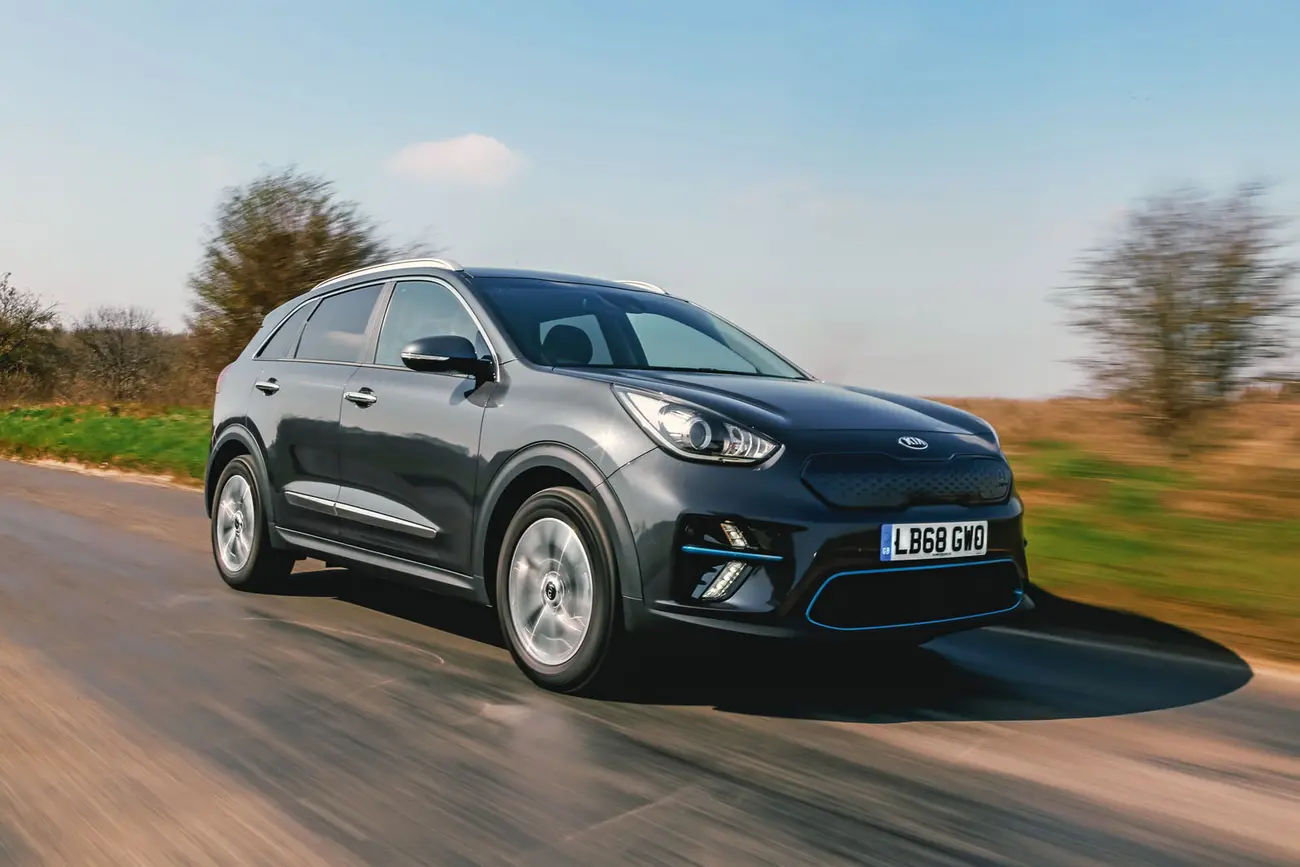
A global recall that reaches more than 11,000 cars in Europe
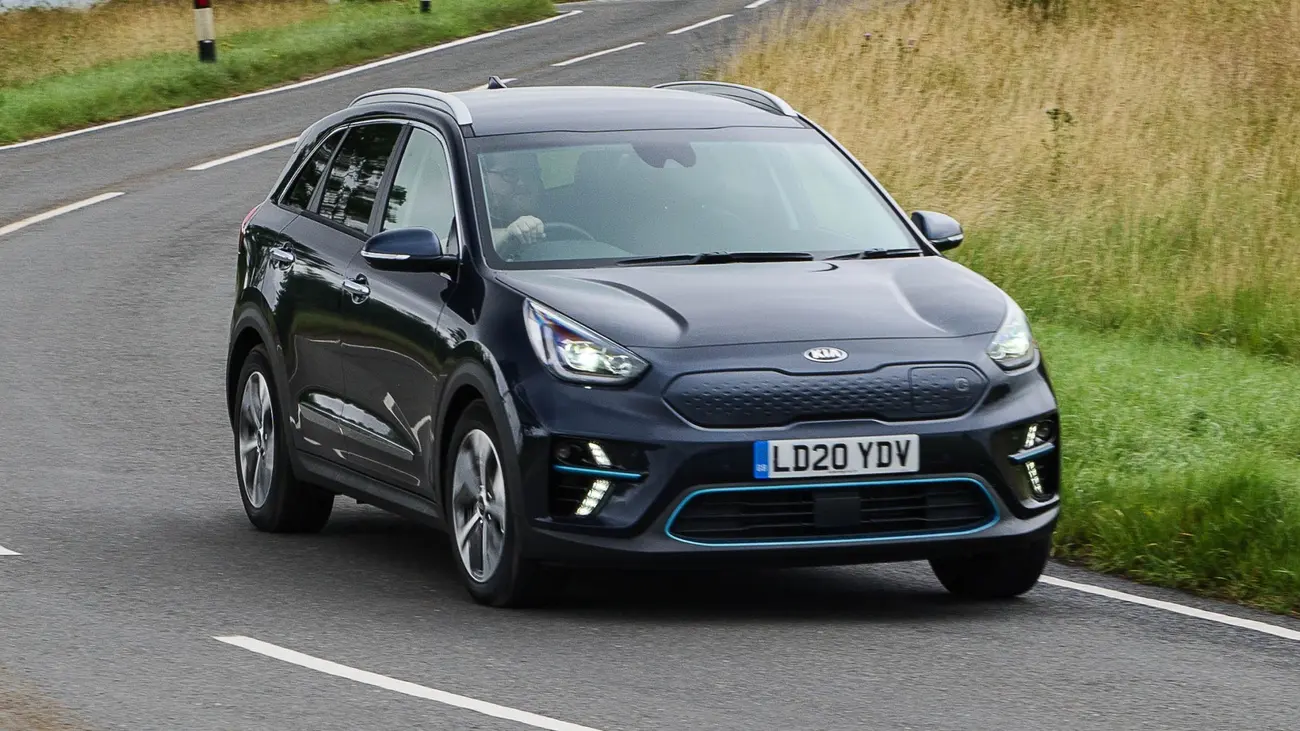
Kia is calling 14,117 first-generation e-Niros back to the workshop worldwide. Of those, 11,331 are in Europe — the region where the model sold best. The reason sits in the battery: the monitoring logic in the battery management system (BMS) is inadequate, and under certain operating conditions the high-voltage pack may no longer be properly controlled. Cells can overheat, and fire risk rises.
The awkward part is that the fault doesn't pick its moment. According to the official notice, it can show up while the car is being driven, while it sits parked, or while it's plugged in charging. Kia reports no injuries and no property damage linked to the defect so far — but the campaign is mandatory, filed with Germany's KBA under reference 16831R and published on 24 July 2026. Kia's internal campaign code is 261261.
Kia e-Niro recall: affected years, and who is off the hook
Not every e-Niro is included, and that distinction matters if you own one or are shopping for one.
| Item | Value |
|---|---|
| Model | Kia e-Niro / Niro EV, 1st generation, all-electric only |
| Affected production window | 19 May 2020 to 18 March 2022 |
| Model years | 2020 to 2022 |
| Units worldwide | 14,117 |
| Units in Europe | 11,331 |
| Units in Germany | 1,791 |
| KBA reference | 16831R |
| Kia campaign code | 261261 |
| Cost to the owner | €0 |
Cars built before 19 May 2020 — which covers most 2019 and early-2020 examples, since deliveries began in April 2019 — fall outside the window. The hybrid and plug-in hybrid Niro have nothing to do with this either: the campaign covers the electric variant alone. And the second-generation Niro EV, launched in 2022, uses different battery hardware and is not affected.
Even inside the production window, Kia notes that not every car is necessarily involved. Only the VIN gives a definitive answer.
The fix: a 30-minute software update, or a brand-new battery
The workshop procedure has two stages. First, a battery management software update that takes roughly 30 minutes. Then an inspection of the high-voltage battery itself. If cell damage is found, the complete battery pack is replaced free of charge — a job that can take up to six hours.
All of it is free to the owner. Kia contacts registered customers directly to book appointments, but there's no reason to wait if your car falls inside the production window: a call to the dealer settles it in minutes.
It's worth understanding what the software actually does. This isn't a sticking plaster — the updated BMS detects voltage imbalances between individual cells and thermal instability earlier, which is exactly what was missing. Where cells have already been compromised, software alone won't help, which is why the physical inspection is part of the job.
What owners in Portugal should do
No Portugal-specific figure has been published so far. With 11,331 cars affected across Europe, and given how consistently the e-Niro sold here — it was for years one of the most recommended family EVs on the Portuguese market — it's fair to assume a few hundred cars locally.
If you own an e-Niro, the path is straightforward:
- Check the build date or registration year. A 2020, 2021 or 2022 car is a candidate.
- Call an authorised Kia dealer with your VIN to hand (it's on the vehicle registration document and visible through the windscreen). Ask them to check campaign 261261.
- If your car is included, book it in. For the vast majority, it's 30 minutes.
- Keep the paperwork. It will be useful when you sell.
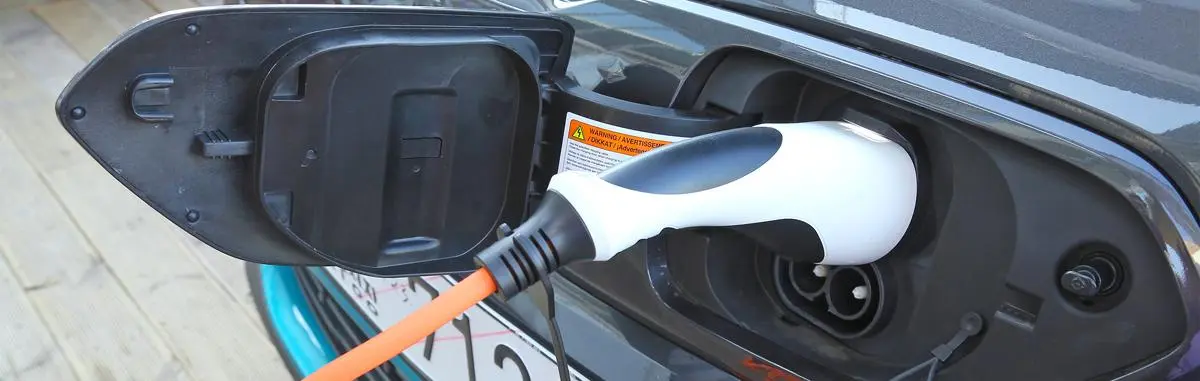
While you wait for the appointment, the sensible precaution is the standard one for battery campaigns: don't leave the car charging overnight unless you need to, and avoid sitting at a full state of charge for long periods. Kia has imposed no driving restriction — you can keep using the car normally.
Buying a used e-Niro: does the recall change the maths?
Here's the point plenty of people will read backwards. An open recall is a problem; a completed recall is a selling point.
The 64 kWh e-Niro left the factory with a 7-year / 150,000 km battery warranty. Since every affected car was built between May 2020 and March 2022, almost all of them are still inside that cover. Which means the inspection is free, and if the pack is damaged, a full replacement is on Kia. A used e-Niro with campaign 261261 completed — and in the extreme case, with a brand-new battery — is in a better position than one where the work is still outstanding.
In practice, before you sign:
- Ask the seller, or an authorised Kia dealer, for the service-campaign record against the VIN.
- Confirm the build date, not just the registration year. A car registered in 2020 may have been built before 19 May.
- Check how much of the 7-year battery warranty remains (it runs from first registration).
- Request a battery state-of-health (SOH) report — the workshop can read it during the same visit.
What the e-Niro still delivers
Nothing in this campaign changes why the model became popular. The 64 kWh version claims 455 km WLTP, with real-world figures around 375 km in mixed use — roughly 430 km in mild conditions, dropping to about 265 km on the motorway in cold weather. For most drivers that's Lisbon to Porto with one short stop.
| Specification | Kia e-Niro 64 kWh |
|---|---|
| Usable battery | 64.0 kWh (67.5 kWh gross) |
| Chemistry / format | Li-ion NMC622, pouch cells, 294 cells |
| Architecture | 400 V |
| WLTP range | 455 km (real-world ~375 km) |
| Real-world consumption | 171 Wh/km |
| Power / torque | 150 kW (204 hp) / 395 Nm, front-wheel drive |
| 0-100 km/h | 7.8 s |
| DC charging | CCS, max 77 kW (61 kW average 10-80%) |
| AC charging | Type 2, 7.2 kW standard, 11 kW optional |
| Boot | 451 L (1,405 L max) |
| Weight | 1,812 kg |
| Battery warranty | 7 years / 150,000 km |
The weak spot is still fast charging. A 77 kW peak and a 61 kW average between 10% and 80% put the e-Niro behind almost anything new on sale today. That's 46 minutes to go from 37 to 300 km of range. On a long trip, you feel it.
Frequently Asked Questions
The affected production window runs from 19 May 2020 to 18 March 2022, which broadly matches the 2020 to 2022 model years. Even within that window not every car is included, so the only reliable confirmation is a VIN check at an authorised Kia dealer, quoting campaign code 261261 (KBA reference 16831R). The VIN appears on the vehicle registration document and at the base of the windscreen.
Yes. Kia has imposed no driving restrictions and there are no reported injuries or property damage linked to the defect. Even so, because the fault can occur while driving, parked or charging, the sensible precaution is to avoid unnecessary overnight charging and not to leave the battery sitting at maximum state of charge until the work is completed.
The cost to the owner is €0. The battery management software update takes around 30 minutes at an authorised Kia workshop, followed by an inspection of the high-voltage battery. If cell damage is found, the complete battery pack is replaced free of charge, a job that can take up to six hours.
No. The campaign covers only the all-electric first-generation Niro. The second-generation Niro EV, launched in 2022, uses different battery hardware and is excluded, as are the hybrid and plug-in hybrid Niro variants. Cars built before 19 May 2020 — most 2019 and early-2020 examples — are also outside the scope.
An outstanding recall is a bargaining risk; a completed one is a selling point. Every affected car left the factory with a 7-year or 150,000 km battery warranty and was built between 2020 and 2022, so nearly all remain covered — the inspection is free and, in the worst case, so is a brand-new pack. Before buying, ask for the campaign 261261 service record against the VIN, confirm the build date rather than just the registration year, and request a battery state-of-health (SOH) report.
The group has been here before — and the lesson is useful
This isn't Hyundai-Kia's first battery scare. In March 2026, Hyundai recalled 104,011 first-generation Kona Electric cars (built between 24 January 2018 and 15 July 2023, KBA reference 16242R) for a very similar monitoring defect: software that failed to spot thermal instability in the high-voltage battery in time.
Before that, in 2020 and 2021, came the Kona and Ioniq saga involving LG cells made at the Nanjing plant, where a folded anode tab could cause an internal short circuit. Somewhere between 13 and 15 fires were reported globally. Those campaigns started as software updates and ended in full battery replacements.
That's why the physical inspection accompanying the e-Niro recall matters as much as the software. And it's why booking early beats waiting for the dealer to call.
If you drive a 2020, 2021 or 2022 e-Niro, the next step costs one phone call. If you're shopping used, campaign 261261 has just joined the checklist — right next to battery state of health and how much of those seven years is left.