
Used Jaguar I-Pace Buying Guide: Battery Health and Prices in Portugal
Published: 28/07/2026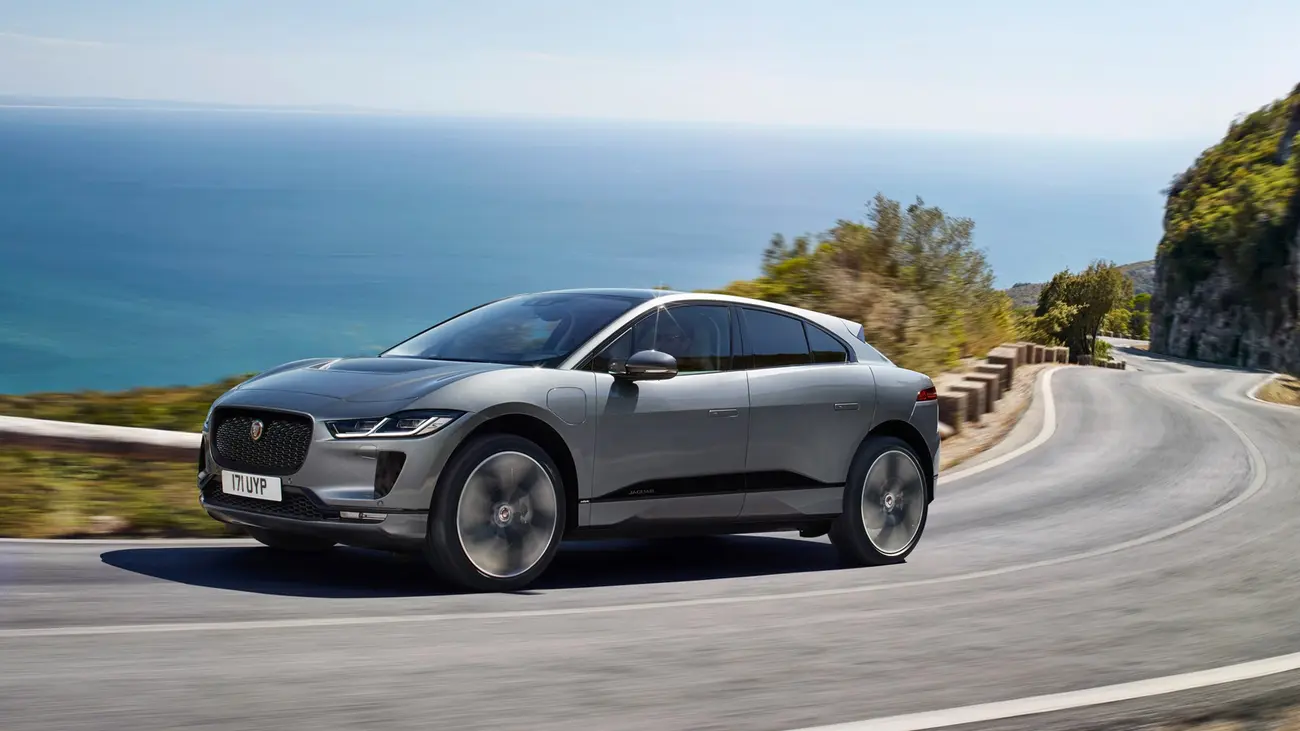
Used Jaguar I-Pace buying guide: Portugal pricing, battery health, and what to check
In 2018, the Jaguar I-Pace was named World Car of the Year. A British luxury electric SUV with 394 horsepower, all-wheel drive, and a 90 kWh battery — arriving before Tesla had any real competition in Europe. Eight years on, it's one of the cheapest premium EVs you can buy used. The question is whether that apparent bargain actually holds up.
This used Jaguar I-Pace buying guide covers what matters before you sign anything: battery condition, known faults, trim differences, and — most relevant if you're shopping in Portugal — what it actually costs here and how it stacks up against newer alternatives.
What changed between 2018 and 2024
The I-Pace launched in March 2018, with the entry-level S trim starting at £58,995 in the UK. Dual motor, 394 bhp, a single 90 kWh battery, and WLTP range up to 292 miles. Around 70,000 units sold worldwide before production ended in 2024.
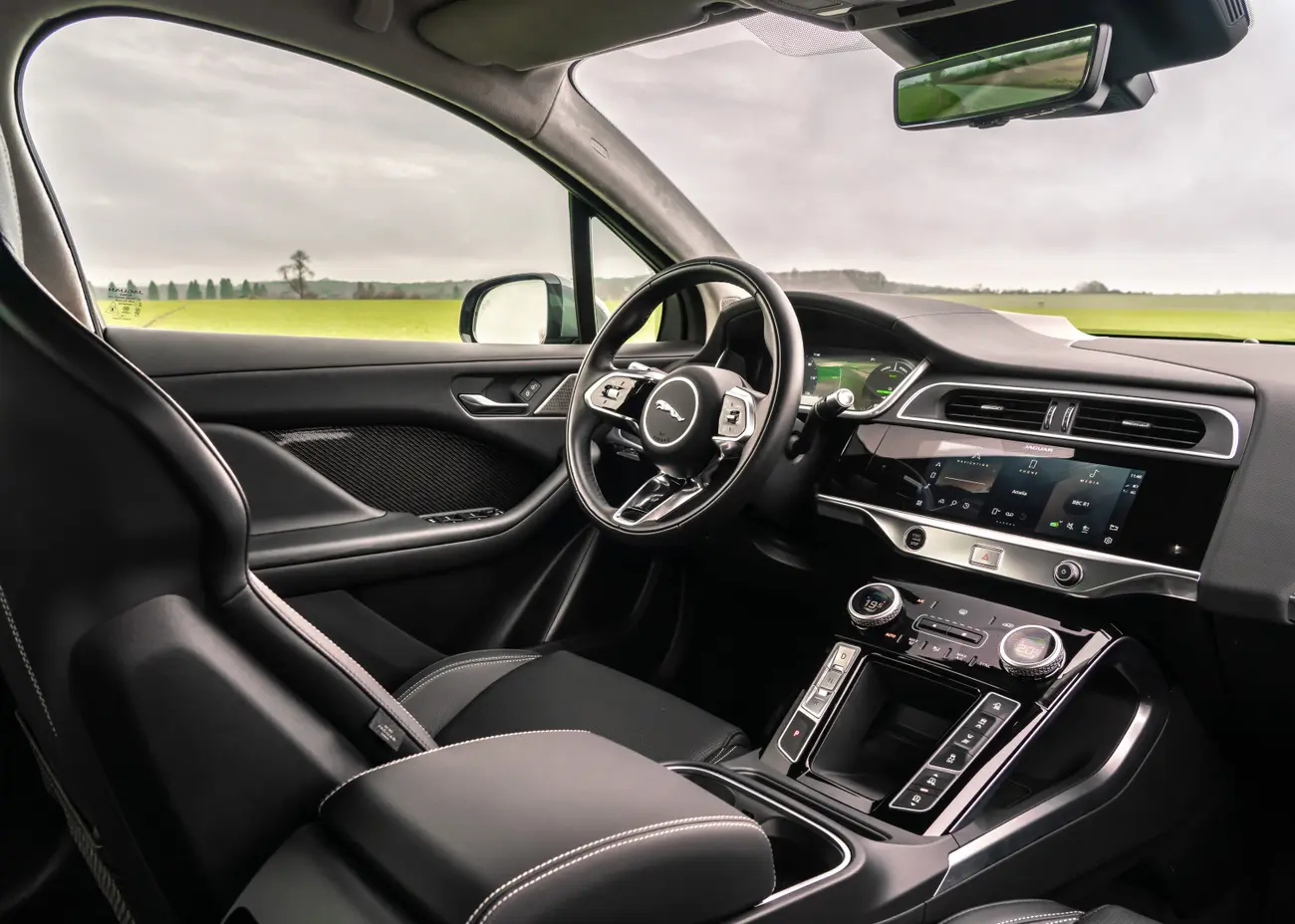
The year that separates the good buys from the risky ones is 2021. That's when Jaguar fixed the car's biggest weak point: the sluggish, often-criticized Touch Pro Duo infotainment system was replaced by PiviPro — faster, with over-the-air updates and a cleaner screen layout. AC charging jumped from 7 kW to 11 kW (later 22 kW on some units), cutting a full home charge from roughly 13 hours to 9. The design got minor updates too — an Atlas Grey grille, body-color trim instead of gloss black — and the car gained ClearSight, a digital rear-view mirror.
Both source reviews we drew on for this guide agree: pay more for a post-2021 I-Pace if you can. A pre-2021 example might look like a deal, but it carries more battery and software risk.
Trim levels: S, SE, or HSE
- S (entry): LED headlights, 12.3-inch touchscreen, 18-inch wheels, lane-keep assist — solid, but the smaller wheels leave the proportions looking a bit flat.
- SE (mid): everything from S plus 20-inch wheels (or 19-inch as an option), adaptive cruise control, blind-spot monitoring, heated front seats, and an electric tailgate.
- HSE (top): everything from SE plus heated and cooled front and rear seats, and anti-dazzle matrix LED headlights.
2023 added the R Dynamic package — a sportier option with standard air suspension, 22-inch black wheels, and 14-way adjustable performance seats.
The most consistent recommendation across sources: a post-2021 SE is the sweet spot between equipment and price. HSE if your budget stretches, mainly for those matrix headlights.
Battery health: what degradation actually looks like
The 90 kWh battery is the I-Pace's core strength — and its Achilles' heel. Independent real-world testing shows a wide spread: one car at 3 years old with roughly 20,000 miles retained 97% of its original capacity, while a 7-year-old with 76,000 miles had dropped to 81%. Model estimates put the average closer to 93% retention at 3 years and 90% at 5 years — but as those spot checks show, real cars can land well below the average.
More concerning than normal degradation is the recall history. Since 2019, the I-Pace has been recalled four times over overheating and fire risk in its LG-supplied high-voltage battery — and a fresh global recall campaign is running into 2026. Fixes have often meant software caps limiting charging to 78-90% of capacity, which reduces the fire risk but also cuts into everyday usable range.
The practical takeaway, repeated across every source we checked: never buy a used I-Pace without an independent battery health report. It's a quick check that can save you thousands down the line.
Other faults worth checking before you buy
Beyond the traction battery, a handful of issues keep coming up in owner reports and independent reviews:
- 12V auxiliary battery drain, sometimes with phantom power loss even while parked
- Water ingress into the cabin
- Cracking on some bodyshells
- Delayed brake pedal transition and reduced brake feel
- Occasional infotainment software glitches, more common on pre-2021 cars
None of these alone is a dealbreaker, but combined with the battery recall history, they're a good reason to get a proper pre-purchase inspection — ideally from a specialist familiar with EVs.
How much does a used Jaguar I-Pace cost in Portugal
In the UK, used prices range from around £10,000 for early, high-mileage cars to over £41,000 for near-new 2024 examples. The recommended budget for a "safer" post-2021 car sits around £20,000.
In Portugal, the picture looks different — and it's worth knowing before comparing against UK listings. A search across the main Portuguese marketplaces shows 2019-2020 examples typically priced between €22,000 and €31,000, noticeably above the UK's cheapest entry point. Supply here is thinner, which props up asking prices — there simply aren't as many used I-Paces circulating in Portugal as in the UK, so sellers face less pressure to discount.
That changes the math on this car. The "affordable luxury EV" framing that shows up in UK coverage doesn't translate directly here. In Portugal, an I-Pace costs roughly what you'd pay for a newer-generation used Kia EV6 or Tesla Model 3 — just with more years on the battery and a brand that no longer builds the model.
Is it worth it compared to a newer EV?
This is where the I-Pace loses ground. Against a Kia EV6, for instance, efficiency is clearly worse — around 89 MPGe versus the EV6's 127 MPGe — and home AC charging takes roughly twice as long, about 10 hours versus under 6. Steeper depreciation over the years, combined with Jaguar discontinuing the model as part of its shift to an all-electric lineup, means parts are getting scarcer and repairs more expensive.
That said, the I-Pace still has real arguments in its favor: engaging, well-balanced handling, a spacious cabin with good materials, and a premium badge at a price no new luxury electric SUV can match. Insurance isn't cheap, though — it sits in groups 47 to 50 out of 50 in the UK system — and servicing, every two years or 21,000 miles, runs around £200 per visit, with parts priced at Jaguar levels.
Frequently Asked Questions
In the Portuguese market, 2019-2020 Jaguar I-Pace listings currently range roughly from €22,000 to €31,000, noticeably higher than the UK's cheapest examples (from around £10,000). This reflects the smaller supply and higher entry price of premium used EVs in Portugal. A post-2021 example, which carries less software and battery risk, typically costs more than these entry-level figures.
Real-world degradation varies widely: independent testing found capacity retention ranging from 97% at 3 years/20,000 miles down to just 81% at 7 years/76,000 miles. On average, expect roughly 93% retention at 3 years and 90% at 5 years. The battery carries an 8-year/100,000-mile warranty, but you should always request a battery health check before buying.
2021 was the facelift year that introduced the new PiviPro infotainment system (replacing the sluggish Touch Pro Duo), faster 11kW AC charging (up from 7kW), and the ClearSight digital rearview mirror. Despite the higher price, post-2021 examples are recommended because they carry less software and battery risk than earlier models.
The I-Pace has been subject to at least 4 official UK recalls between 2019 and 2024 (twice for battery thermal overload, twice for fire risk), with a further global recall campaign covering LG-supplied battery cells running into 2026. Other recurring issues include 12V auxiliary battery drain, water ingress into the cabin, bodyshell cracking, and infotainment software glitches. Parts are also increasingly scarce since JLR discontinued the model.
The I-Pace is less efficient (around 89 MPGe versus roughly 127 MPGe for the Kia EV6) and charges more slowly on home AC power. In exchange, it offers a lower entry price for a premium electric SUV, but carries higher ownership risk due to its recall history and increasingly scarce parts — a trade-off worth weighing carefully against the lower purchase price.
Who should actually buy one
If you want a premium electric SUV with real character, enjoy driving, and don't mind managing the risk that comes with a low-volume brand and pricier parts, a post-2021 I-Pace in SE or HSE trim is a sensible pick — as long as it comes with a battery health report and full service history. If what you're after is efficiency, low running costs, and peace of mind on parts, a used Kia EV6 or Tesla Model 3 in the same price range will likely serve you better day to day. Either way, test drive both before deciding — the difference behind the wheel is bigger than the spec sheets suggest.