
Electric Car Incentive Portugal 2027: The 80% Subsidy for Low-Income Households
Published: 10/11/2026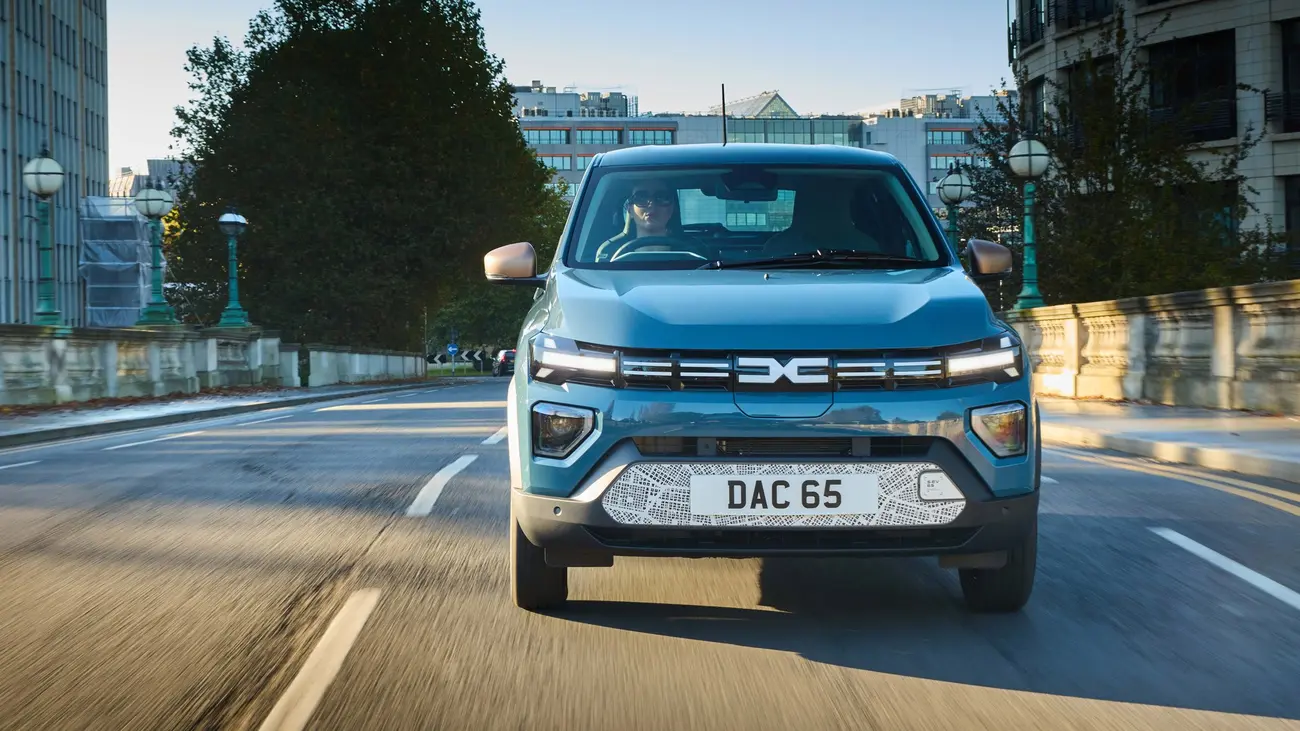
Electric car incentive Portugal 2027: what the government announced in the OE2027 budget
The state covering up to 80% of the price of an electric car. That is the promise for low-income households, made by Environment and Energy Minister Maria da Graça Carvalho on 28 October 2026 during the first-reading debate on Portugal's 2027 State Budget (Orçamento do Estado, or OE2027). The stated goal: help fund more than 20,000 electric vehicles.
It sounds straightforward. It isn't. The new electric car incentive for Portugal in 2027 has no published rules yet, the income thresholds are unknown, and there isn't even agreement on how to read the €15,000 cap. Before changing any purchase plans, it pays to separate what is confirmed from what is still just an intention.
A different kind of subsidy
Until now, Portuguese EV purchase grants have been a flat amount, the same for every applicant. This is the first incentive designed specifically for low-income households and calculated as a percentage of the price. Some European outlets have called it the highest EV subsidy rate in Europe.
The money comes from Portugal's Social Climate Plan (Plano Social para o Clima), the national arm of the EU Social Climate Fund. That fund exists to cushion the impact of the EU's new carbon market for fuels and heating (ETS2). The plan foresees up to €1.6 billion between 2026 and 2032, 75% from the EU and 25% from Portugal. The final version went to the European Commission on 9 October 2026, and the scheme is expected to be run through the Fundo Ambiental, the government's Environmental Fund that already manages EV grants.
What we know about the 80% subsidy so far
The information released so far points to three numbers: 80% of the purchase cost excluding VAT, a cap of €15,000 excluding VAT that rises to €16,000 if you scrap a combustion car, and up to €1,000 extra for installing a home charger.
One important caveat: 80% is the maximum, not what everyone will get. The government may well create tiers, with different percentages depending on each household's situation.
The €15,000 cap excluding VAT: a limit on the car price or on the aid?
This is where readings diverge, and the difference matters.
- Reading A: a cap on the eligible price. This is how outlets such as electrive and Automobile Propre interpret it. The car would have to cost no more than €15,000 excluding VAT (€16,000 with scrapping), and the grant would be 80% of that.
- Reading B: a cap on the grant itself. Portuguese daily Jornal de Notícias quotes the ministry describing 80% of the cost excluding VAT "up to a maximum of €15,000", which could mean the grant amount is capped, not the car price.
Under reading A, the list of eligible cars is very short. Under reading B, pricier models could also qualify. Until the regulation is published, neither is confirmed.
How much the grant could be worth
Using reading A, European press calculations give these maximums:
| Scenario | Maximum eligible price (excl. VAT) | Maximum grant |
|---|---|---|
| Car only | €15,000 | €12,000 |
| Car plus scrapping a combustion vehicle | €16,000 | €12,800 |
| Car plus scrapping plus home charger | €16,000 + charger | €13,800 |
Even on the cautious reading, that is three times the €4,000 grant available today. The focus also shifts: rather than helping people buy a €35,000 EV, the money concentrates on the €15,000 to €16,000 segment.
Who qualifies for the low-income EV subsidy
Short answer: nobody knows for sure yet. The announcement refers to the "most vulnerable" citizens, but no criteria have been published.
What still has to be defined
- Income limits, and whether they apply per person or per household.
- A link to the social energy tariff (tarifa social de energia), which would be an easy way to identify beneficiaries.
- Retirees on low pensions: whether they are included.
- Subsidy tiers by household situation.
- New cars only, or used ones too. Previous Fundo Ambiental schemes only covered new EVs. Opening the grant to used cars would make it far more accessible, but nothing along those lines has been proposed.
- Mandatory or optional scrapping. It is mandatory in the current scheme; in the new one it currently appears as a bonus that lifts the cap by €1,000.
- The list of eligible models and the application calendar.
There is also an unexplained discrepancy: an earlier draft of the Social Climate Plan mentioned around 5,000 vulnerable households supported on mobility, well below the more than 20,000 vehicles now announced.
The pay-first, get-refunded-later problem
This may decide whether the scheme works at all. Under Fundo Ambiental incentives, buyers pay the full price, submit the invoice and proof of payment, and only then receive the grant.
For a family with little savings, fronting around €17,000 while waiting for a refund simply isn't possible. If that model stays, the 80% subsidy risks missing the very people it targets. The alternative would be for the state to pay the dealer directly or advance the money, but neither has been announced.
Fundo Ambiental in 2027: the €4,000 grant continues
If you don't fall into the new low-income category, there is good news: the general incentive carries on in 2027, with rules similar to today's and a budget of around €50 million.
| General incentive (Fundo Ambiental) | New OE2027 grant (proposal) | |
|---|---|---|
| Who | Private individuals in general | Low-income households |
| Amount | Flat €4,000 | Up to 80% of price excl. VAT |
| Price cap | €38,500 (€55,000 for more than 5 seats) | €15,000 excl. VAT, €16,000 with scrapping (reading unresolved) |
| Scrapping | Mandatory (combustion car over 10 years old) | €1,000 bonus on the cap (rules to be confirmed) |
| Charger | 80% up to €800 (unit) + 80% up to €1,000 (installation) | Up to €1,000 |
| Status | In force, 2027 budget of around €50M | Depends on the final OE2027 vote |
Recent history shows how strong demand is. The €17.6 million round that opened on 29 December 2025 ran out in about 18 hours. The June 2026 round, worth €10 million with around 1,375 grants planned for private buyers, was gone within hours. If the 2027 budget follows the same pattern, have your paperwork ready on the day applications open, including proof that your tax and social security situation is in order.
Which cars fit the 80% subsidy: the cheapest electric cars in Portugal
With a €15,000 cap excluding VAT, the cheapest electric car in Portugal becomes the benchmark. We converted Portuguese list prices (which include 23% VAT) into ex-VAT figures to compare them with the limit. These are entry-level prices, before registration costs or dealer campaigns.
| Model | Price from (incl. VAT) | Approx. excl. VAT | WLTP range |
|---|---|---|---|
| Dacia Spring Essential | €16,900 | ~€13,740 | 225 km |
| Dacia Spring Expression | €18,700 | ~€15,200 | 225 km |
| Leapmotor T03 | ~€18,500 (April 2026 price, to be confirmed) | ~€15,040 | ~265 km |
| Renault Twingo E-Tech Evolution | €19,490 | ~€15,850 | 263 km |
| BYD Dolphin Surf Active | €20,885 | ~€16,980 | 220 km |
| Geely E2 PRO | €21,900 | ~€17,800 | 252 km |
Under reading A, only the Dacia Spring Essential fits comfortably at list price. The Spring Expression, Leapmotor T03 and Twingo sit between €15,000 and €16,000 excluding VAT, so they would only qualify with scrapping or a dealer discount. The Dolphin Surf and Geely E2 would need bigger discounts. Under reading B, all of them could be in the running.
The Citroën ë-C3 often comes up in this discussion, but its Portuguese entry price varies a lot depending on the source and the campaign running at the time. Check the current figure with the brand before counting on it.
How much would a Dacia Spring cost with the subsidy?
The Spring Essential costs €16,900 including VAT, roughly €13,740 without it. At 80% of that, the grant would come to about €10,990, leaving the buyer to pay around €5,900. That is why French motoring press compared the result to the price of a 125 cc scooter.
Two warnings. First, nobody knows yet how VAT will be handled on the share the buyer pays. Second, this assumes the maximum rate, which not every beneficiary will get.
What you get is a four-seat city car with 70 hp, a 24.3 kWh LFP battery and 225 km of WLTP range. That covers commuting and city driving, but the Essential trim has no DC fast charging, which hurts on longer trips such as Lisbon to Porto. A new Europe-built Spring was announced in September 2026 with 80 hp, up to 250 km and a starting price of €17,900, though there is no confirmed date for Portugal yet.
Twingo, T03 and the models right on the edge
The Renault Twingo E-Tech offers more range (263 km) and 82 hp, plus sliding rear seats and five doors. It sits slightly above €15,000 excluding VAT, so it would depend on scrapping or a favourable reading of the rules.
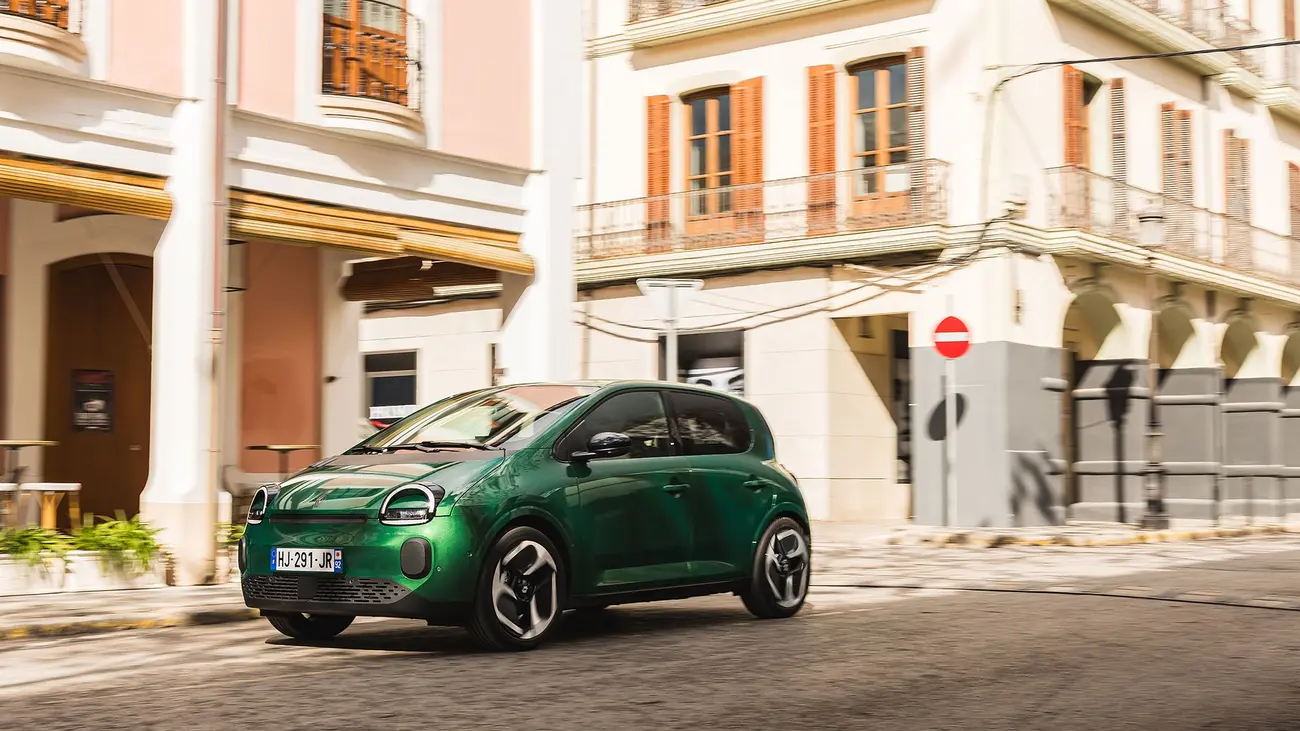
The Leapmotor T03 was listed with around 265 km for a similar price in spring, but figures may have changed since. The BYD Dolphin Surf and Geely E2 are more complete cars (the E2 has five seats and DC charging on every version), yet at list price both fall outside the €16,000 cap.
Frequently Asked Questions
The Government has said the scheme targets the "most vulnerable" households and aims to fund more than 20,000 electric vehicles, but no eligibility criteria have been published yet. Income thresholds, whether income is assessed per person or per household, any link to the social energy tariff, and whether low-pension retirees are included all remain undefined. The 80% is a maximum co-funding rate rather than a guaranteed amount, and only the regulation, due after the final OE2027 vote, will confirm who can apply.
There is no date yet. The 2027 State Budget passed its first reading on 28 October 2026 and the final vote is scheduled for 24 November 2026, after which the Fundo Ambiental still has to publish the regulation. Some reports suggest the Social Climate Plan funding the measure will only start in the second half of 2027, but that timing is unconfirmed. Recent rounds of the EUR 4,000 incentive sold out in about 18 hours, so it pays to have your tax and social security status in order before applications open.
That is not known yet. The announcement does not say whether the scheme applies only to new cars or to used ones as well, and no concrete proposal to include used EVs has been made. Previous Fundo Ambiental schemes covered new electric cars only, so buyers should not count on a used EV qualifying until the regulation is published.
Yes. According to the Government, the general Fundo Ambiental incentive continues in 2027 under similar rules, with a budget of around EUR 50 million. Under the current rules, individuals get EUR 4,000 for a new electric car priced up to EUR 38,500 (EUR 55,000 for more than 5 seats) and must scrap a combustion car over 10 years old. Demand is high: the EUR 17.6 million round of December 2025 sold out in about 18 hours, and the EUR 10 million round of June 2026 within hours.
The Dacia Spring Essential is listed at EUR 16,900 including VAT, roughly EUR 13,740 excluding VAT. If the maximum 80% rate is applied to the price excluding VAT, the subsidy would be about EUR 10,990 and the buyer would pay around EUR 5,900, but this is only an illustration: VAT treatment and the rate each household receives have not been set. The Spring Essential offers 225 km of WLTP range from a 24.3 kWh LFP battery and, among the cheapest EVs on sale in Portugal, is the only one below EUR 15,000 excluding VAT at list price.
When can you apply, and is it worth waiting?
For now, applications are not open and there is no date. The OE2027 budget passed its first reading on 28 October, and the final vote is scheduled for 24 November 2026. After that, the regulation still has to be published. Some reports suggest the Social Climate Plan will only start being implemented in the second half of 2027, but that timing is not confirmed.
If you think you may qualify, wait for the rules before buying. Buying now on the strength of a grant that doesn't exist yet could leave you out, especially if the regulation only covers purchases after a specific date. If you won't qualify, the general €4,000 grant remains the safer route, provided you have a combustion car over 10 years old to scrap. Residency and tax rules for expats haven't been addressed either, so non-Portuguese residents should check the final eligibility conditions carefully.
While you wait, do the groundwork: work out whether you can charge at home, how much range you actually need day to day, and what extra costs you'll face for insurance, tyres and a possible wallbox. Bear in mind that EVs are already exempt from ISV (Portugal's vehicle purchase tax) and IUC (annual road tax). We're following this electric car incentive for Portugal in 2027 closely and will update this article as soon as the regulation appears on the Fundo Ambiental website.