
How to Import a Used Chinese EV to Portugal: Real Costs, EU Tariffs and Risks
Published: 01/11/2026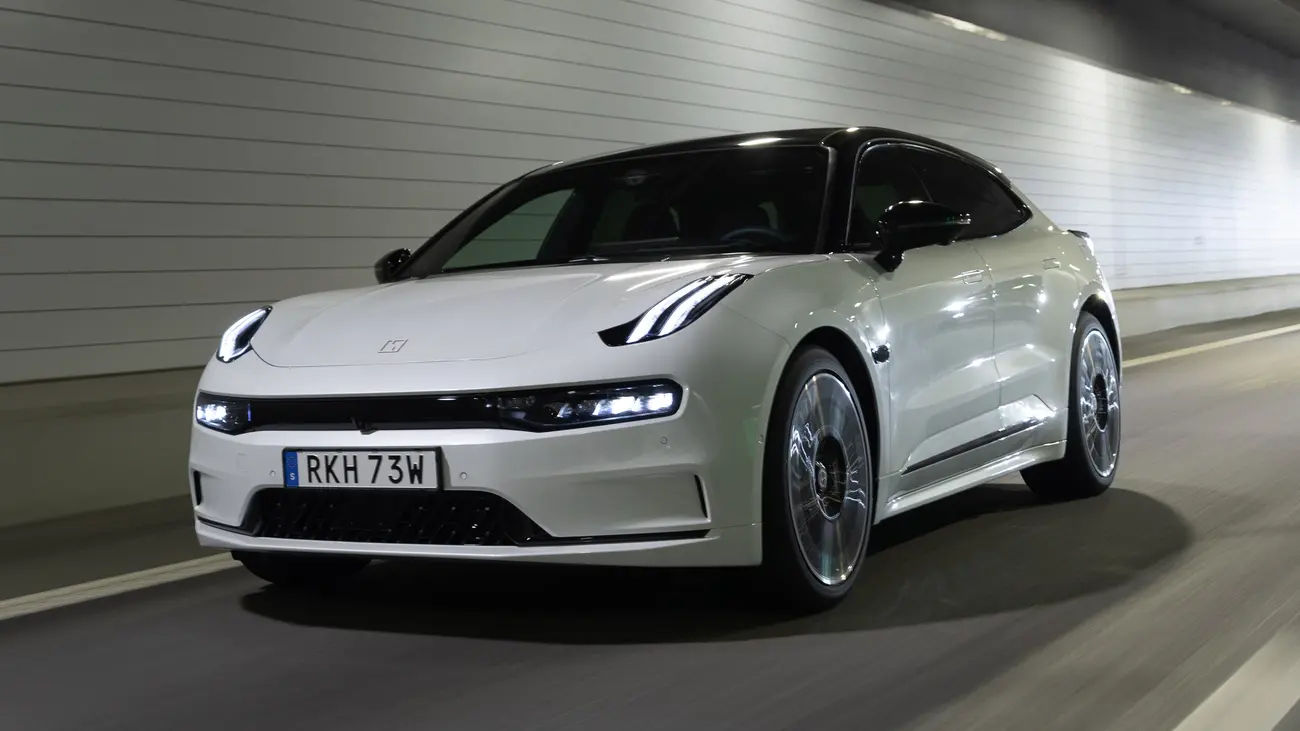
Used Chinese EVs with 6,000 km at 40% below the Chinese list price
A Xiaomi, a BYD or an Avatr with 6,000 km on the clock, bought in China for roughly 40% less than its Chinese list price. That's the pitch drawing a growing number of Europeans to import a used Chinese EV instead of a new one — and figures from China EV Marketplace (CEVM), a Czech-run exporter, show how quickly the trend has grown. If you live in Portugal and have wondered whether you could import a used Chinese EV to Portugal, this is the channel people are talking about.
Between January and September 2026, CEVM says it sold 7,900 used Chinese cars to EU customers, up 280% year on year. Over the same period, its new-car sales to European customers fell 44%. One caveat up front: these are the company's own figures, published via CarNewsChina, and they haven't been independently verified.
Before treating these used Chinese electric cars as a bargain, it's worth understanding where the 40% comes from, what it actually costs to bring one to Portugal, and what you give up along the way — warranty, charging, software and homologation.
Where the 40% discount comes from
The headline number comes with an important asterisk. According to CEVM, its Shanghai sourcing team regularly finds cars with about 6,000 km priced around 40% below their original Chinese list price — not the European list price, and certainly not what the car costs in Portugal.
Prices in China already start much lower than in Europe, and the domestic price war pushes them down further. The result is steep depreciation. The China Automobile Dealers Association (CADA) September 2026 report shows how much value some models keep after three years on the Chinese market:
| Model | Value retained after 3 years (China) |
|---|---|
| Tesla Model 3 | 61.4% |
| Tesla Model X | 59.5% |
| Tesla Model Y | 53.9% |
| BYD Seagull (Dolphin Surf in Europe) | 50.5% |
| Zeekr 009 | 49.9% |
| Nio ES6 | 46.7% |
| Xpeng G6 | 46.4% |
| Wuling Bingo | 46.1% |
Of the 15 EVs with the best residual values in CADA's list, only four kept more than half their new price. Losing 40% on a nearly new car is nothing unusual there. What CEVM doesn't say is how much of its 2,600-plus used EV inventory carries discounts like that, or what the final cost is once shipping, taxes and paperwork are added.
"Zero-kilometre" used cars: how the scheme works
Many of these "used" cars have barely been driven. In China, it's common practice to register new cars as sold — to affiliated dealers, platforms or exporters — to hit sales targets and clear stock, then resell them as used. In April 2025, the country's passenger-car inventory stood at 3.5 million units.
Used-car exports have exploded: from 15,000 units in 2021 to 436,000 in 2024, with more than 500,000 expected for 2025. Industry estimates put the share of "zero-km" cars at 70% to 90%. According to Reuters, at least 20 Chinese local governments backed the practice with extra export licences and faster tax rebates.
Beijing has already tightened the rules. Since 1 January 2026, any car exported within 180 days of its first registration must carry an after-sales service confirmation issued and sealed by the manufacturer. It's not a ban, but it ties exports to a commitment from the carmaker.
EU countervailing duties on Chinese EVs: the used-car loophole
The real driver of this trend sits in Brussels. Since late 2024, Implementing Regulation (EU) 2024/2754 has applied countervailing duties to new battery-electric cars built in China. These come on top of the standard 10% import duty:
| Manufacturer | Countervailing duty | Total with the standard 10% |
|---|---|---|
| BYD | 17.0% | 27.0% |
| Geely | 18.8% | 28.8% |
| SAIC | 35.3% | 45.3% |
The oft-quoted 45.3% is therefore the maximum combined rate — 10% customs duty plus a 35.3% countervailing duty. A used car escapes the countervailing part and pays only the standard 10%. "Pre-owned cars are exempt from the additional BEV tariffs," says Jakub Geršl, CEVM's chief operating officer.
There's a second push, too: the EU's new cap of 350,000 hybrid imports from China. CEVM says used cars fall outside that cap as well, which is why the company has made used vehicles its main focus in Europe.
A loophole that could close
This advantage isn't guaranteed. Article 23 of Regulation (EU) 2016/1037 allows the European Commission to extend duties in cases of circumvention. It's not yet clear whether Brussels would apply that to low-mileage "used" imports — but the risk is real, especially if volumes keep growing.
For now, it's a niche. The EU registered 1,931,465 battery-electric cars between January and September 2026 (ACEA data). CEVM's 7,900 units are a drop in that ocean.
Which models are reaching Europe
CEVM's online inventory exceeds 2,600 used EVs, updated daily, with brands such as Xiaomi, BYD, iCar, Denza, Lynk & Co and Avatr. The company has also opened a delivery centre in Prague with an initial batch of 20 cars, for buyers who don't want to wait the roughly three months a direct import from China takes.
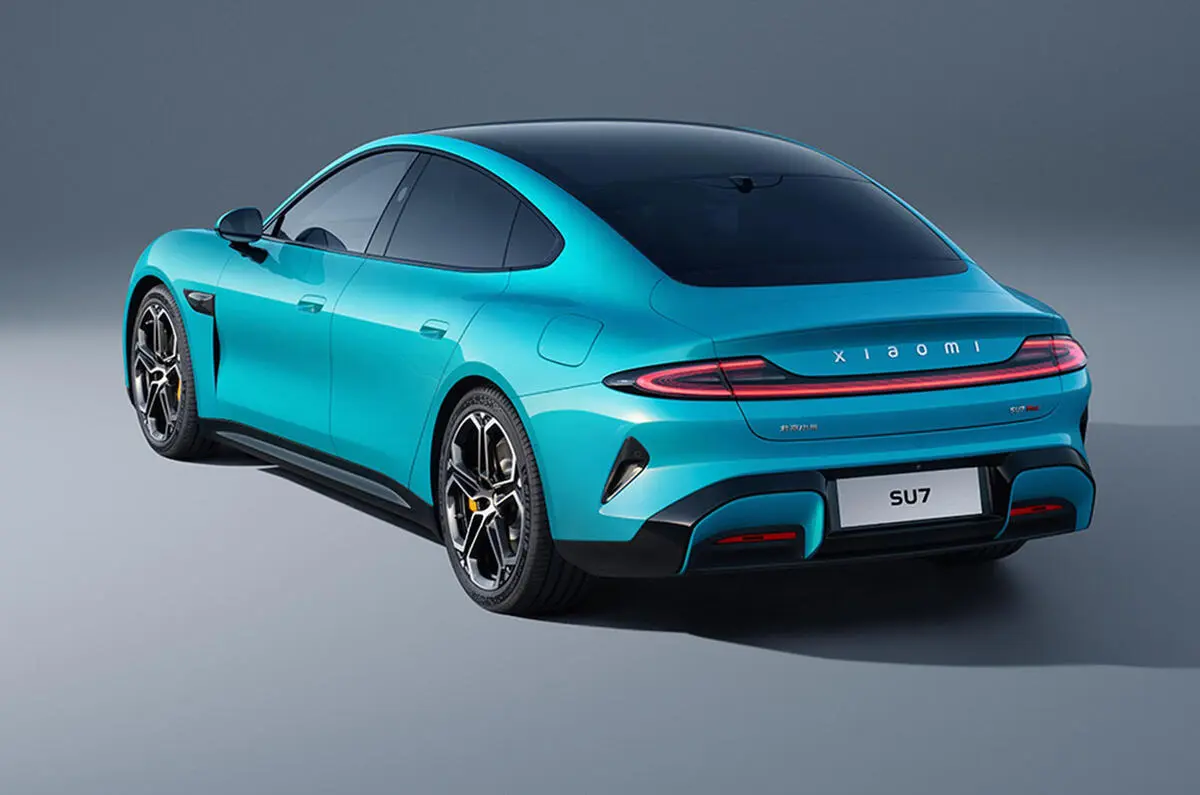
It isn't alone. Germany's Autohelden announced direct imports in June 2026 of the Xiaomi SU7 and YU7, Zeekr 8X and 9X, Avatr, Dashing and Jetour, sold through 80 to 100 locations across Europe. This kind of Chinese EV grey import carries legal risk, though: Xiaomi said it has no relationship with Autohelden, took legal action and announced an application for an EU-wide border seizure of unauthorised vehicles. The brand only plans to sell officially in Europe from 2027, with Germany slated for the second half of that year.
The risks of an imported Chinese EV
The sticker price is only half the story. These are the points that can turn a good deal into a headache.
Warranty and after-sales service
The Chinese factory warranty usually starts on the date of first registration in China and generally doesn't apply in Europe. InsideEVs put it bluntly: buying direct from CEVM comes with no warranty or after-sales service — if something breaks, you're on your own. Some importers offer their own warranty. If yours does, get the terms in writing.
Homologation and certificate of conformity
A car built for the Chinese market has no European certificate of conformity (CoC). It needs individual vehicle approval: CEVM charges about $2,500 for this (plus $400 for plug-in hybrids), and in Germany a single-vehicle approval can cost between $1,500 and $5,000. Brands already selling officially in the EU may refuse to provide paperwork to grey importers.
Charging: GB/T plug instead of CCS2
Chinese-market cars use the GB/T plug, not the CCS2 connector used across Europe and on Portugal's MOBI.E public charging network. DC fast-charging adapters exist, but they're expensive and can cap power at around 90 kW. On a Lisbon–Algarve run, that means longer stops than the car would need with the right plug.
Software, apps and OTA updates
Infotainment often comes in Chinese only. Some features rely on apps tied to Chinese servers — an InsideEVs journalist couldn't use Apple Music in a Xiaomi YU7 because the car could only reach Apple's Chinese servers. Over-the-air updates and software support outside China are an open question.
How much it costs to import a used EV from China to Portugal
The tax side is good news. Battery-electric cars are exempt from ISV (Portugal's one-off vehicle registration tax) and IUC (the annual road tax), whether new or used, including imports from outside the EU. What remains are the customs charges:
- 10% customs duty on the car's value plus shipping
- 23% VAT (IVA) on the total of value, shipping and duty
- Individual approval (about $2,500 with CEVM)
- Shipping from China, which CEVM doesn't break down
A simple example, leaving freight aside: a car bought for €20,000 pays €2,000 in customs duty and €5,060 in VAT (23% of €22,000), reaching €27,060 before shipping, homologation and registration. That's why the discount advertised in China shrinks considerably by the time the car lands here.
Registering an imported Chinese car in Portugal: the steps
Because the car comes from outside the EU, customs clearance (duty and VAT) is handled on arrival — often by the importer. After that, getting the car on Portuguese roads looks like this:
- Inspection at a Category B centre (Model 112 certificate), around €80 to €120
- Homologation at IMT, the national vehicle authority, which assigns a national approval number
- DAV (vehicle customs declaration) on the Portal das Finanças tax portal, within 20 working days of the car's entry
- Settlement via DUC payment slip (for an EV, there's no ISV to pay)
- Registration and DUA (the registration document), with plates at about €50 to €100 and the DUA at €50 to €100
With paperwork in order, the process typically takes 4 to 6 weeks. For a car without a European CoC, homologation is the step that costs the most time and money.
Frequently Asked Questions
Only compared with the Chinese list price. The 40% figure is a self-reported claim by China EV Marketplace (CEVM) for cars with around 6,000 km, measured against the original price in China, not the European or Portuguese retail price. The company does not say how much of its 2,600+ EV stock carries discounts that deep, nor the final cost after shipping, taxes and homologation.
On top of the purchase price you pay 10% customs duty and 23% VAT on the value, shipping and duty combined. A car bought for €20,000 therefore reaches €27,060 before freight, plus individual homologation (about $2,500 through CEVM), a category B inspection (€80-120) and registration. As a used car it avoids the EU countervailing duties, which can push the total on new Chinese EVs up to 45.3%.
Not if it is a battery-electric car: BEVs are exempt from both ISV and IUC in Portugal, whether new or used and even when imported from outside the EU. You still have to file the DAV customs declaration on the tax portal within 20 working days of the car's arrival. For plug-in hybrids the exemption is only partial and depends on electric range and CO2 emissions, so check each case.
Usually not. The Chinese factory warranty starts on the date of first registration in China and generally does not apply in Europe, and buying directly from CEVM comes with no warranty or after-sales support. Some importers offer their own cover, so get the terms in writing and compare with brands such as BYD, Xpeng, Zeekr or Leapmotor, which are sold officially in Portugal with a European warranty.
CEVM is a Czech-run exporter with a buying team in Shanghai and a delivery centre in Prague, and says it sold 7,900 used cars to EU customers between January and September 2026 (+280%). These figures have not been independently verified. Before buying, ask for the first registration date via the VIN, the car's history, the total delivered cost to Portugal and the warranty terms in writing.
Is a used Chinese EV worth it?
For most buyers in Portugal, the honest answer is: it depends on the model. Many of the brands involved — BYD, Xpeng, Zeekr, Lynk & Co, Leapmotor — are already sold officially here, with a European warranty, a CCS2 plug, software in Portuguese or English and a service network. Before importing, compare with a used or nearly new BYD bought locally. If the final gap is small, the warranty and peace of mind are worth more than the savings.
Importing makes more sense for models that simply aren't sold in Europe, such as the Xiaomi SU7 or YU7 — and for buyers willing to live without a factory warranty, with a different charging plug and software built for another market. Even then there's legal risk, as Xiaomi's crackdown on unauthorised importers shows.
If you go ahead, always check the first registration date via the VIN, ask for the car's history, the total delivered cost to Portugal and the warranty terms in writing. And keep an eye on Brussels: if the Commission decides these "used" cars are a way of circumventing the tariffs, the maths changes overnight.