
Plug-in Hybrid Real World Emissions in Portugal: What the ICCT Study Means
Published: 09/06/2026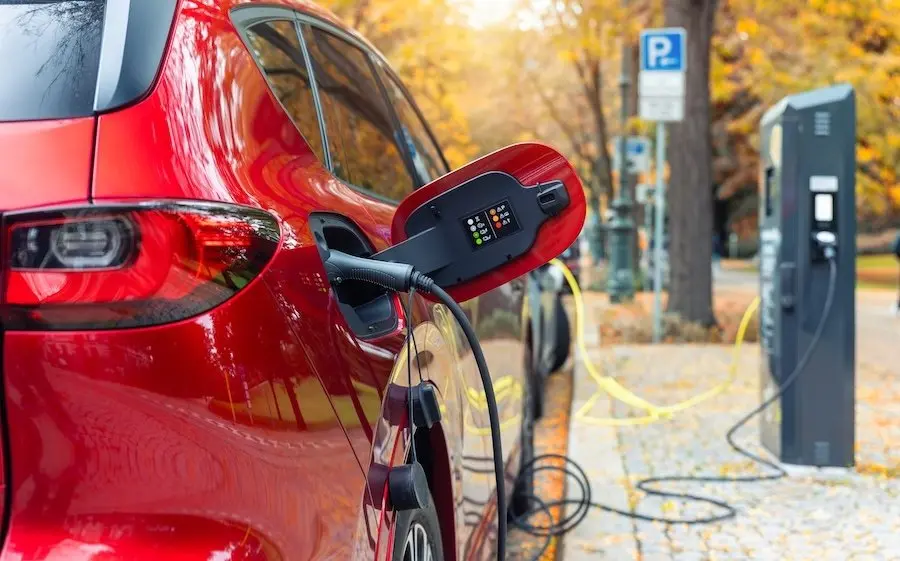
Plug-in hybrids pollute five times more than the paperwork claims
A plug-in hybrid promises the best of both worlds: electric driving day to day, a combustion engine for long trips, and very low CO2 figures on the registration documents. It's that last part that doesn't hold up. A new ICCT study, published on 2 June 2026, finds that the plug-in hybrid real world emissions across Europe are, on average, five times higher than official type-approval values. And the gap is widening, not closing.
The ICCT is the Berlin research group that exposed the Dieselgate scandal. When an organisation with that track record says the numbers don't add up, it's worth understanding why — especially if you're weighing one of these plug-in hybrids as your next car or as a company vehicle here in Portugal.
Plug-in hybrid real world emissions vs WLTP figures
The study cross-referenced data from around 8 million vehicles registered in Europe between 2021 and 2023, gathered by on-board fuel consumption meters (OBFCM) that have been mandatory since 2021. It added self-reported figures from another 300,000 cars in Germany. This isn't a laboratory simulation. It's real cars, on real roads, reporting what they actually burn.
The result: the gap between real-world and official emissions grew from 265% in 2021 to 400% in 2023, averaged across all manufacturers. In absolute terms, a Transport & Environment analysis of the same dataset points to 139 g CO2/km in real life against the 28 g CO2/km recorded under the WLTP cycle. In 2021 the difference was 3.5 times. Two years later, close to 5 times.
The worst case has a name. Mercedes, Europe's top plug-in seller between 2021 and 2023, recorded an average gap of 452%, nearly doubling from 329% in 2021 to 614% in 2023. The more premium and heavy the car, the wider the gap tends to be.
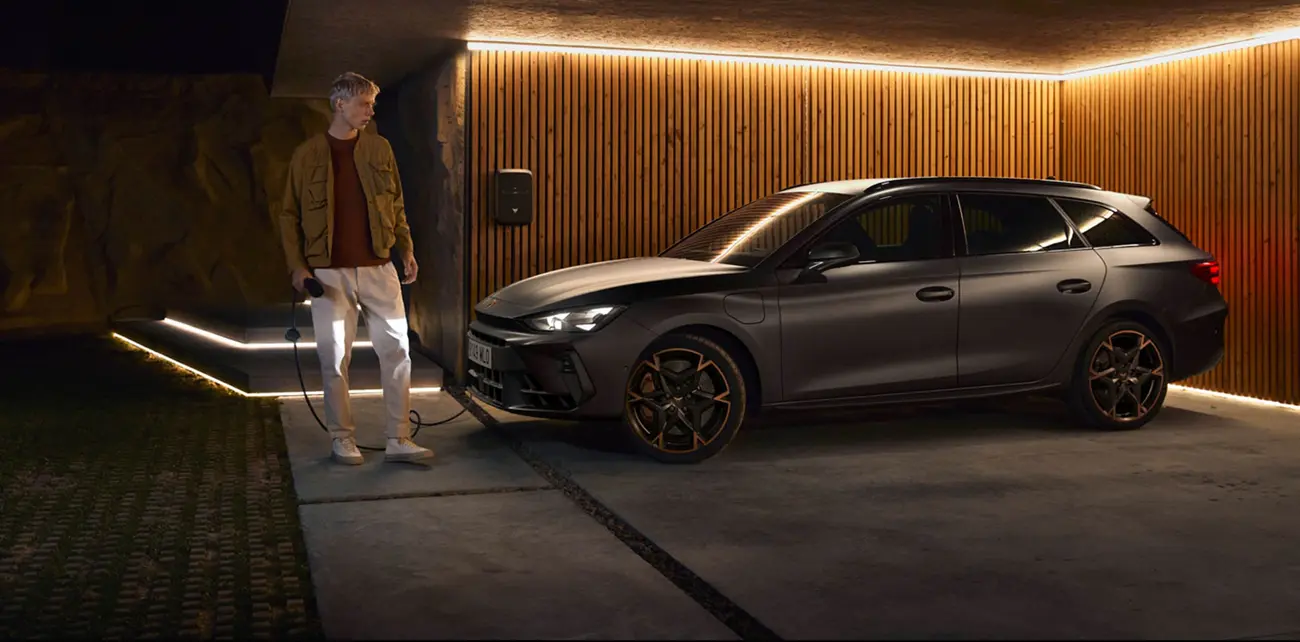
Why a plug-in burns more than expected
The ICCT points to three causes, and none of them is a fault. It's normal use that breaks the promise.
- People charge less than assumed. Type-approval assumes the driver plugs in almost daily and covers most kilometres in electric mode. In real life, many people drive a plug-in much like a petrol car — battery flat, engine always running.
- The combustion engine kicks in even in "electric" mode. Under hard acceleration, on hills, or on the motorway, the engine fires up to help, even when the driver thinks they're running on battery alone.
- Two systems add weight. Carrying an electric motor, a battery and a combustion engine at once makes the car heavy. More weight means more energy to move it — and when the battery is empty, it's petrol or diesel footing that bill.
The piece that ties it all together is called the utility factor: the share of kilometres that type-approval assumes are driven on electricity. The current WLTP assumes that a plug-in with 60 km of electric range runs on battery more than 80% of the time. The EU has acknowledged that figure is far from reality and is lowering it: to 54% in 2025/26 and 34% in 2027/28.
| Period | Assumed utility factor (60 km plug-in) |
|---|---|
| Current | around 80% |
| 2025/26 | 54% |
| 2027/28 | 34% |
One hundred megatonnes of CO2 nobody counted
The part that should worry policymakers is in the arithmetic. The average real-world gap was 99 g CO2/km between 2021 and 2023. Multiplied by the roughly 840,000 new plug-ins registered each year in the European Economic Area, that comes to nearly 20 megatonnes of CO2 a year that were never accounted for. Over 2021–2025, that's around 100 megatonnes — the equivalent of about 42 billion litres of extra fuel burned. All of it was credited toward the EU's CO2 reduction targets as if it had been saved. It wasn't.
For perspective: "normal" combustion cars, including conventional and mild hybrids, have a gap of about 20% against their official figures. Plug-ins, close to 400%. Between 2018 and 2023, official new-car emissions fell 28%, but real-world emissions dropped only 15% — and battery electric cars did almost all of that work. Combustion cars cut their real-world emissions by just 1% over the same period.
"The gap of plug-in hybrids is shockingly high," sums up Jan Dornoff, co-author of the study. But he warns that the 20% gap of combustion cars isn't small either, since they still make up the majority of EU sales.
What this changes for buyers in Portugal
In Portugal, both ISV (the one-off vehicle tax) and IUC (the annual road tax) are calculated from homologated CO2 emissions — those same WLTP figures. If a plug-in declares 28 g/km but emits 139 g/km on the road, it's enjoying a tax break that doesn't match the pollution it actually produces. For the state, that's lost revenue; for the buyer, it's a tax saving that lasts as long as the rule does. And the rule is changing: the utility-factor revision will, over the coming years, pull official values closer to reality and, with them, push up the tax bill on plug-ins.
Company cars are the most telling case. Plug-ins gained popularity in fleets precisely because of the tax benefits tied to low emissions. But the company-car driver is often the one who charges least — fills up, files the expense, drives on. That's exactly the behaviour that sends the gap soaring. A plug-in that never gets charged is, in practice, a heavier and more expensive petrol car.
Frequently Asked Questions
According to the ICCT study published on 2 June 2026, plug-in hybrids in Europe emit on average about five times more CO2 on the road than their paperwork claims. In absolute terms, a Transport & Environment analysis of the same data points to 139 g CO2/km in real life against just 28 g CO2/km certified under the WLTP cycle. And the gap is widening, not closing: it grew from 265% in 2021 to 400% in 2023.
The ICCT identifies three causes, and none of them is a fault. First, many drivers charge the car far less often than type-approval assumes. Second, the combustion engine kicks in even in 'electric' mode, especially under hard acceleration, on hills or on the motorway. Third, carrying two systems (a battery and a combustion engine) makes the car heavy, which raises fuel consumption once the battery is empty.
In Portugal, both ISV and IUC are calculated from homologated CO2 emissions (WLTP), so a plug-in with low figures on paper enjoys a tax break even if it pollutes far more on the road. That advantage is narrowing: the EU is revising the utility factor (the share of kilometres assumed to be electric) from around 80% to 54% in 2025/26 and 34% in 2027/28, which pulls official values closer to reality and tends to push up the tax bill on plug-ins.
It depends on your usage profile. A plug-in hybrid only keeps its low-emissions promise if it's charged almost daily and used mainly for short trips within its electric range. If you live in a building with no accessible socket or won't charge with discipline, a battery electric car delivers the savings and environmental benefit that a plug-in only promises on paper. You can compare the electric cars available on automar.pt before deciding.
This is the study's most telling case. Plug-ins became popular in fleets because of the tax benefits tied to low emissions, but the company-car driver is often the one who charges least. That's precisely the behaviour that sends the emissions gap soaring. A plug-in that never gets charged is, in practice, a heavier and more expensive petrol car, without the savings that would justify the choice.
Plug-in hybrid or fully electric: which to choose
The right question isn't "which pollutes less on paper". It's "which delivers in real life what it promises". And here the study is clear: a plug-in only keeps its low-emissions promise if it's charged almost daily and used mainly for short trips within its electric range. If that's your profile — a home with a socket, short daily commutes, the occasional long trip — a well-used plug-in makes sense.
If you won't charge with discipline, or you live in a building with no accessible socket, the maths changes. A battery electric car delivers the savings and emissions benefit that a plug-in only promises on paper. It's worth seeing what's already on the market: you can compare the electric cars available on automar.pt before deciding.
Choosing a plug-in isn't wrong — it's conditional. It depends entirely on driving it the way it was designed to be driven. Before signing anything, be honest about how often you'll actually plug it in. That answer, not the spec sheet, decides whether the plug-in is worth what it costs.