
Used Electric Car Depreciation in Portugal: The 10 Models Losing the Most Value
Published: 31/08/2026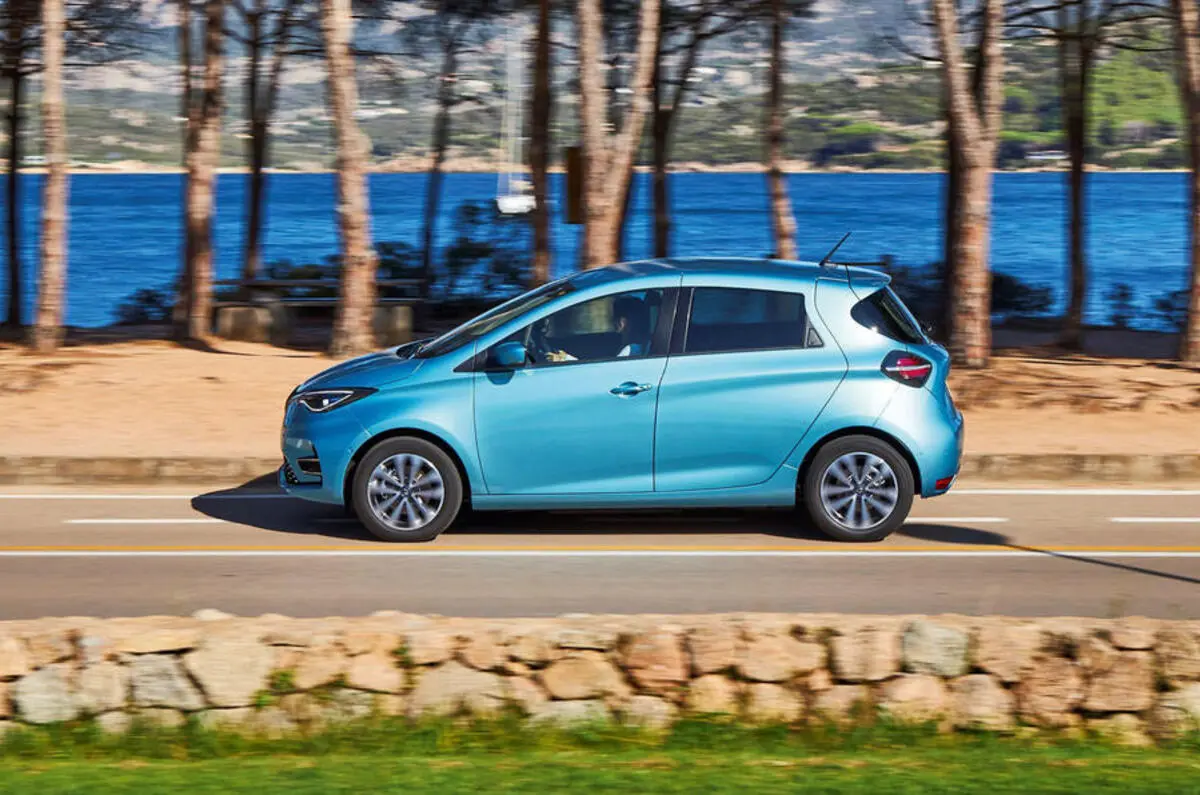
Five years, 59% of the value gone
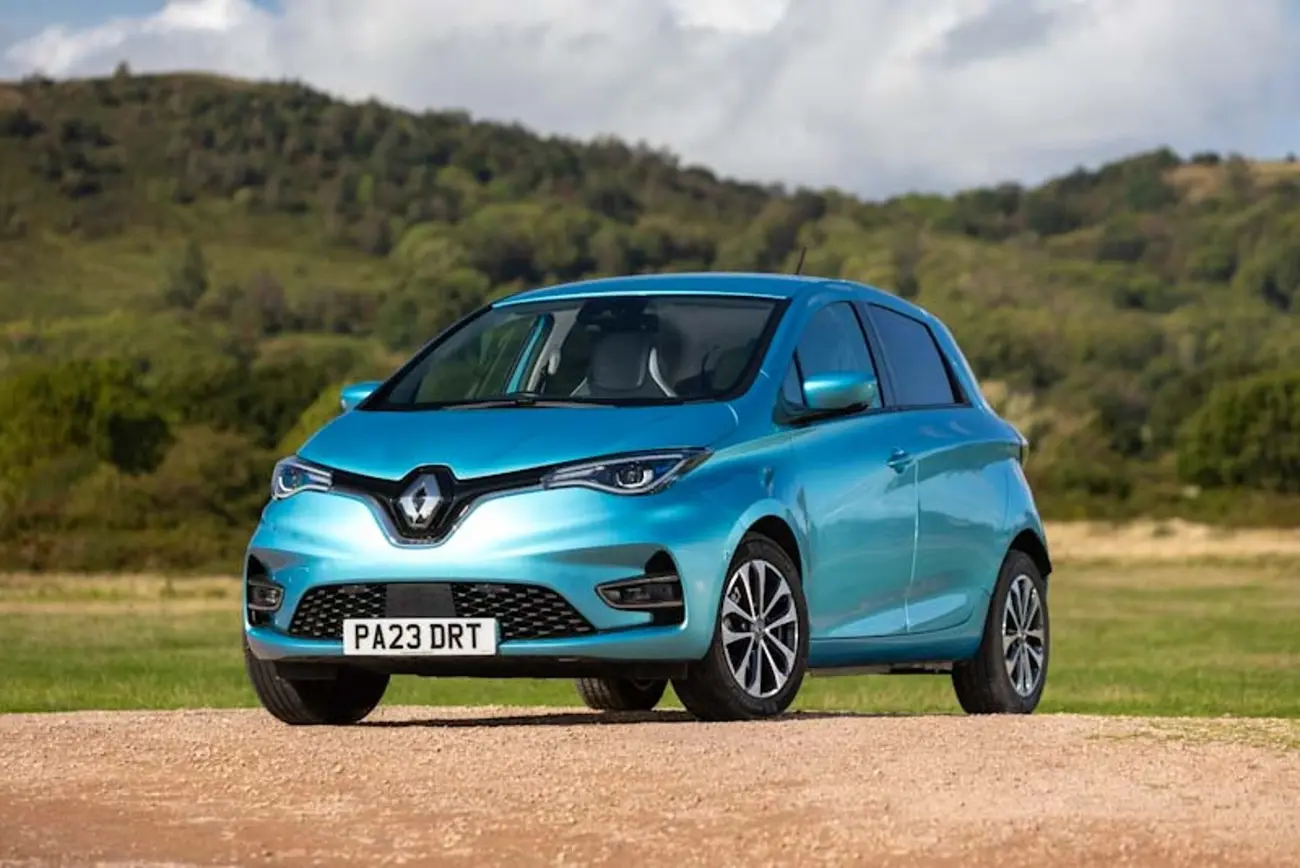
A Renault Zoé that cost €32,445 new in 2020 sells for €11,477 today. That is 65% of its value gone in five years — and it is not an outlier. A Leboncoin analysis of the ten best-selling electric cars in France, published by Automobile-Propre, puts average depreciation at 59% after five years.
The data is French, but the cars are the same ones sitting on Portuguese forecourts: Zoé, e-208, e-2008, ID.3, Model 3, Spring. And the forces pushing prices down — new-car price cuts, fast-moving technology, a tide of lease returns — do not stop at a border. If you are trying to understand used electric car depreciation in Portugal, this ranking is the best starting point available.
The obvious reading is bad news for anyone who bought new in 2020. The less obvious one is that whoever buys now is picking up somebody else's bill.
The 10 used EVs that lose the most value in 5 years
| Model | Depreciation | New price (2020) | Used price (2025) |
|---|---|---|---|
| Renault Zoé | 65% | €32,445 | €11,477 |
| Peugeot e-2008 | 62% | €40,690 | €15,464 |
| Renault Twingo E-Tech | 62% | €24,423 | €9,392 |
| Peugeot e-208 | 60% | €35,096 | €13,873 |
| Kia e-Niro | 58% | €44,625 | €18,722 |
| Mini Cooper Electric | 57% | €39,066 | €16,617 |
| Volkswagen ID.3 | 57% | €41,963 | €17,871 |
| Fiat 500e | 56% | €31,487 | €13,993 |
| Tesla Model 3 | 56% | €52,136 | €23,180 |
| Dacia Spring | 53% | €17,695 | €8,347 |
Source: Leboncoin analysis of the French market, 2020 to 2025.
Look at the bottom of the table. The Dacia Spring loses the least in percentage terms (53%), but it also had the least to lose: €17,695 down to €8,347. The Tesla Model 3 loses 56% — except 56% of €52,136 is nearly €29,000 of evaporated value. Percentages and euros tell different stories, and it is the euro column that hurts.
Two models have already dropped through the psychological €10,000 floor: the Twingo E-Tech at €9,392 and the Spring at €8,347. That is ten-year-old diesel city car money — except with no timing belt, no clutch and no particulate filter.
A second reading of the same Leboncoin data, by Le Parisien, widens the picture beyond that top ten and finds steeper falls: the Nissan Leaf at 67% and the Audi e-tron at 65%. The percentages in that second analysis differ slightly from the table above (ID.3 at 58%, Model 3 at 59%), because the sample and the period are not identical — which is why the two lists are worth keeping apart rather than blending.
The 59% figure is real, but it is not what the owner actually lost
This deserves honesty, because almost nobody offers it: these percentages compare used prices to the list price of the new car. They ignore the purchase incentives and dealer discounts available in 2020.
In France, the ecological bonus reached €7,000 on vehicles under €45,000. In Portugal, the Fundo Ambiental also supported private purchases of new EVs, and the full ISV exemption (ISV is Portugal's vehicle registration tax) was already worth several thousand euros against a comparable combustion model.
So the owner who bought an e-208 in 2020 did not pay the €35,096 list price. They paid less — possibly a good deal less. Their real loss is smaller than the 60% headline. What does not change is the price the car carries today, and that is the number that matters if you are the one buying second-hand.
Why EVs fall so hard
It is no mystery, and it is not only battery anxiety. Four forces push in the same direction:
- New cars got cheaper. The Tesla Model 3 RWD cost €50,800 in 2020 and €39,990 in 2025. When the new car drops €11,000, a five-year-old one cannot hold its price.
- The technology moved fast. Range, DC charging speed, V2L, one-pedal driving — a 2020 EV feels a generation behind a 2025 one.
- Battery fear. Less about actual degradation, more about the hypothetical replacement bill most owners never face.
- Oversupply. Renting and leasing contracts signed in 2021 and 2022 are handing whole fleets back to the used market at once.
You can see it in how long cars sit. In November 2025, an EV took an average of 84 days to find a buyer in France, against 60 days for a petrol car (Indicata data). Since 2020, used EV prices have fallen 22% while petrol prices rose 6%.
EVs versus petrol: a narrower gap than the headlines suggest
"EVs depreciate worse than combustion cars" is true, but nowhere near the chasm you read about. At three years, EVs typically lose 38% to 42% of their value; equivalent petrol cars lose 35% to 40%. That is three to five percentage points — and the gap has been narrowing.
Within combustion cars the spread is brutal in both directions. A petrol Dacia Sandero loses 14% in five years. A diesel Nissan Micra loses 64% — worse than eight of the ten EVs in the table above. The question was never "electric or combustion". It is the right model, with real demand, at the right price.
Battery state of health is what sets the price
If there is one number worth learning before buying a used EV, it is SoH — state of health: how much capacity the battery still holds against its original rating.
The link to price is direct and already mapped. Every 1% of SoH lost cuts roughly 1.2% to 1.6% off resale value on a mainstream EV, and up to 2.0% on a premium long-range model. Worse, the relationship is not linear: below 85% SoH, prices fall faster.
In practice:
- Normal loss runs at 2% to 3% of capacity per year.
- A battery between 90% and 95% is a non-issue at resale.
- Between 75% and 80% it is a genuine hit to both value and daily usability.
- Typical manufacturer warranty guarantees 70% SoH at 8 years or 160,000 km. A 2020 car is almost always still inside that window.
How do you check it before buying? A rapid test through the OBD port takes about 15 minutes. Valuation firms such as Germany's DAT already fold measured SoH into a car's commercial value: they compare actual battery health against the health expected for that age and mileage, and translate the difference straight into euros. Independent battery certificates (AVILOO, DEKRA) do the same job for a private buyer.
Never accept the dashboard range estimate as proof. It reflects recent consumption, not cell health.
When a used EV is genuinely worth buying
The good window is three to five years old. The violent part of depreciation — the first owner's share — has already happened, and the battery is typically still under warranty. That is exactly where the cars in the table above sit.
Focus on models that depreciated because of incentives, discounts and shifting tax rules rather than because owners disliked living with them. An ID.3, a 64 kWh Kona Electric or a Model 3 fell on market dynamics, not on character flaws. A three-year-old Polestar 2 trades at less than half its original price.
And there are cars where the bargain is a trap:
- First-generation Nissan Leaf (24 kWh, air-cooled pack, CHAdeMO socket): degrades badly in hot climates, and compatible rapid chargers are getting scarcer.
- Early BMW i3 (22 kWh): lovely to own, but carbon-fibre body repairs are expensive.
- Kia Soul EV and VW e-Golf: small, ageing packs and range that no longer stretches far enough in 2026.
- Heavily depreciated premium flagships (Audi e-tron, Jaguar I-Pace, Mercedes EQC): one out-of-warranty battery module or air-suspension fault wipes out the entire saving.
The principle is simple. A car with terrible depreciation is not automatically a bad buy. It becomes one when you do not know the battery's condition, have not confirmed recall and service history, or when real-world range does not cover the use you have in mind.
Frequently Asked Questions
Among the ten models in the Leboncoin analysis, the Dacia Spring loses the least in percentage terms (53% over five years), followed by the Fiat 500e and Tesla Model 3, both at 56%. Percentages can mislead, though: 53% of a Spring is around €9,300, while 56% of a Model 3 is nearly €29,000 of value gone. Higher up the market, the Tesla Model S and Model X are the exception, retaining 47% to 52% of their value at four to five years according to US iSeeCars data.
The Zoe tops this depreciation list: it cost €32,445 new in 2020 and now trades at roughly €11,477, a 65% drop in five years. A second reading of the same Leboncoin data by Le Parisien lands very close (€30,852 down to €11,293, a €19,559 loss). In Portugal the asking price swings with the battery version — early 22 kWh cars are worth far less than the 52 kWh ones — and with battery state of health, so two Zoes of the same year can be thousands of euros apart.
Manufacturer battery warranties typically run for 8 years or 160,000 km and guarantee a minimum of 70% capacity (SoH) within that window. A car first registered in 2020 is therefore almost always still covered, with two to three years of warranty left to use — provided the mileage cap has not been passed. Ask for proof that the warranty transfers to the new owner and confirm the exact mileage before signing anything.
The Leaf depreciates even harder than the Zoe (67% against 65% in the Leboncoin data), but the deciding factor is technical rather than financial. Early Leafs, with 24 kWh packs and air cooling, degrade badly in hot climates like Portugal's and rely on the CHAdeMO connector, which is disappearing from fast-charging networks. With the Zoe the risk is contractual: many cars were sold with the battery on a monthly lease, so check whether the battery is included in the sale or comes with an inherited monthly payment.
Fully electric cars are exempt from vehicle tax (ISV) and from the annual circulation tax (IUC), and that applies to used cars and to vehicles imported from other EU countries as well. It is a recurring annual saving that an equivalent used petrol or diesel car never gets, and it helps offset the battery risk. Many municipalities add free or discounted parking for electric vehicles on top.
What this means for buyers in Portugal
The tax maths helps. Pure EVs remain exempt from both ISV and IUC (the annual circulation tax), which strips two recurring lines out of a budget that a used combustion car always carries. On a 2020 Zoé or e-208, that weighs more against total cost than it first appears.
Then there is use. A 2020 city EV with a real 250 to 300 km covers the commute in Greater Lisbon or Porto comfortably, especially with home charging. The August run down to the Algarve is a different conversation — there you want more range and decent DC charging, and that is where a 64 kWh Kona or a Model 3 earns its price premium.
Before signing anything, ask for the SoH report, confirm how much battery warranty is left, and compare the asking price against what equivalent models are listed for today. The 2020 EVs now reaching the Portuguese used market have already paid the depreciation bill — the only thing left to check is whether the battery kept up.