
Chinese Electric Cars Depreciation in Portugal: Resale Value Explained
Published: 02/06/2026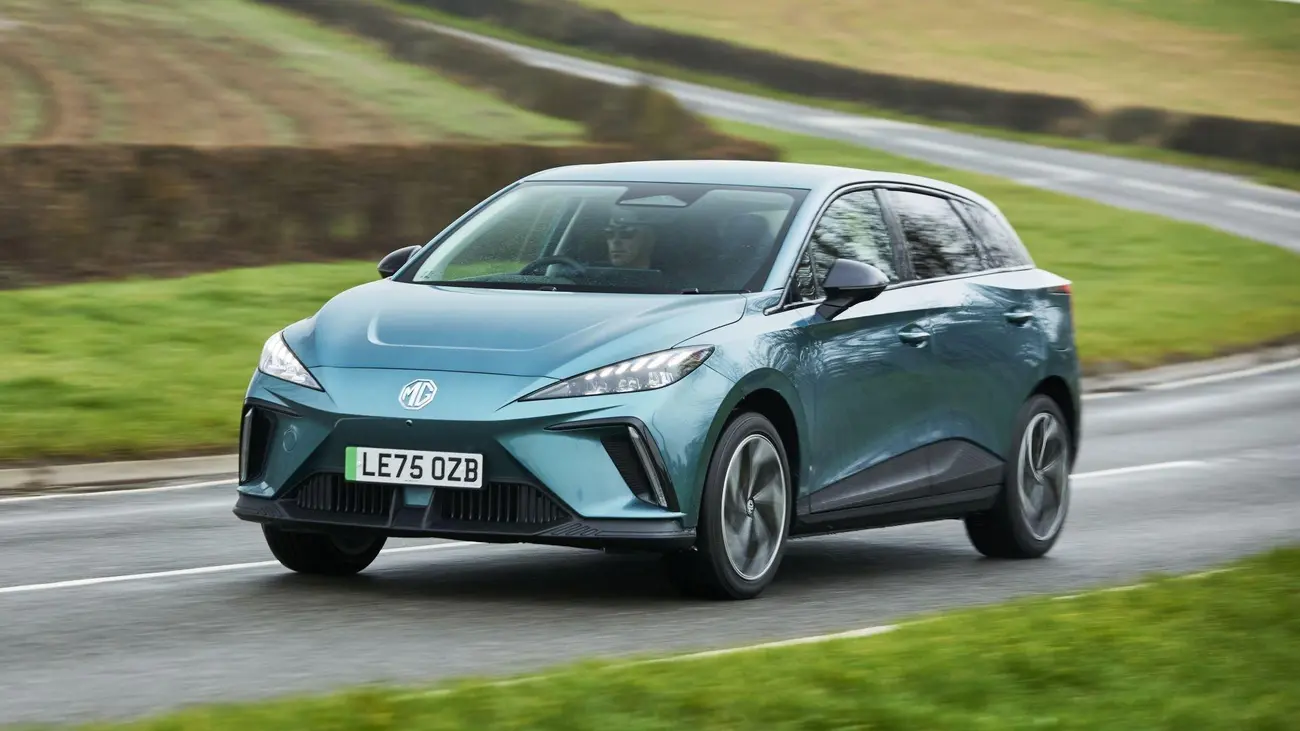
Why Chinese electric cars depreciate so fast
A three-year-old Chinese EV is worth, on average, just 38% of what it cost new. That figure comes from DAT, Germany's vehicle valuation authority — and it puts Chinese electric cars depreciation at roughly twice the market average.
If you're weighing up a BYD, an MG or another Chinese EV in Portugal, that number changes the whole sum. The sticker price is tempting, no argument there. But what matters in the end is how much you get back when you sell — and on that front, the story is less flattering than the brochure suggests.
How much a Chinese electric car depreciates in 3 years
DAT, quoted through its head of valuations Martin Weiss, is blunt: Chinese brands (both EVs and plug-in hybrids) lose value twice as fast as the sector average, and the slide is accelerating. To see the scale, it helps to compare three-year value retention by car type.
| Car type (3 years) | United Kingdom | Germany / France / Spain |
|---|---|---|
| Electric | 38% | 46% |
| Petrol | 45% | — |
| Hybrid | 51% | — |
Notice one detail: even EVs in general trail petrol and hybrid cars on value retention. Chinese models are simply the worst case within a category that already drops fast. In the German market, DAT estimates an EV loses around 51% of its value over three years, against 38% for a combustion car.
The three reasons behind the slide
It isn't one cause. It's three, and they feed each other.
A trust problem. Weiss put it well: "it is not enough to launch a good product." Used-car buyers want to know the brand will still be around in five years, that parts exist, that there's a service network. With newly arrived Chinese brands, that certainty isn't there yet — and the doubt gets knocked off the price.
Aggressive new-car discounting. When a brand slashes the list price overnight, your three-year-old car suddenly looks expensive. Tesla did it repeatedly, and the Chinese brands follow the same aggressive pricing playbook. Every cut on the new car drags the used one down with it.
Fast technology refresh cycles. EVs improve quickly — more range, faster charging, new software. A one-year-old model can already feel dated, and that weighs on resale far more than it would on a combustion car.
The fleet and leasing effect
Here's a factor few buyers think about: many Chinese brands move volume through short-term fleet and rental channels. The BYD Seal U DM-i plug-in hybrid is one of the most popular fleet cars in Germany. The trouble comes later — when those cars return to the used market almost all at once, they flood supply and push prices down.
The pressure shows up in leasing too. Bart Beckers, deputy CEO at Arval, admitted the firm has "been forced to already increase prices" because returned cars are worth far less than expected. In plain terms for the customer: higher monthly payments, which eats away at the very value argument most Chinese EVs are sold on.
The used EV market is under pressure across the board
This isn't only a Chinese problem. European EV residual values peaked in October 2022 and have been falling ever since. According to Autovista, used EVs are now worth about 24% less than before the pandemic in Germany, and close to 30% less in the UK.
Chinese brands still make up less than 1% of used listings in Germany, but the volume has nearly tripled since 2022 while demand stays weak. More supply, little demand — the perfect recipe for falling prices.
Which Chinese EVs hold their value best
It's not all bad, and the differences between models matter. Buy with your eyes open and you can limit the damage.
- Retention leaders (non-Chinese): the Tesla Model 3 and Model Y, the Hyundai Ioniq 5 and the Kia EV6 set the benchmark. Wide demand, proven range and a solid charging network.
- Best of the Chinese brands: BYD stands out. The Seal, the Dolphin and the Atto 3 hold value better than the Chinese-brand average.
- The steepest droppers: MG loses around 50% of its value in the first three years — and the MG5 reportedly shed close to 20% in its first year alone.
A caveat: several of these brand figures come from markets outside Europe, so treat them as a directional guide, not an exact table for Portugal. The direction, though, is consistent across every source.
Frequently Asked Questions
On average, a three-year-old Chinese EV is worth only around 38% of its original sticker price, according to DAT, Germany's vehicle valuation authority. That is roughly twice as fast as the market average, and the trend has been accelerating. For comparison, a petrol car retains about 45% of its value after three years.
Among Chinese brands, BYD holds value best: models like the Seal, the Dolphin and the Atto 3 sit above the category average. At the other end, MG loses around 50% of its value in the first three years, with the MG5 reportedly shedding close to 20% in its first year alone. Note that some of these brand figures come from markets outside Europe, so treat them as a directional guide rather than an exact table for Portugal.
It can be very worthwhile, precisely because the brutal first-three-years depreciation has already been absorbed by the original owner. When buying used, ask for the battery health report, check the warranty (typically 8 years or 150,000 km, often transferable to the second owner), and avoid models that are heavily discounted when new, since the used version suffers the same price erosion.
Three factors feed each other: a trust problem with newly arrived brands (doubts over parts, servicing and long-term brand survival), aggressive new-car discounting that drags used prices down, and fast technology refresh cycles that make a one-year-old model feel dated. Heavy reliance on fleet and rental channels also periodically floods the used market with returned cars.
If you prioritise value, used is generally the smarter choice, since most depreciation happens in the first three years. New-car buyers should expect strong depreciation and pick a model with proven demand, good WLTP range and an established service network — that's what separates a Chinese EV that keeps some value from one that sinks on resale.
Buying new or used — what pays off in Portugal
Here's the flip side. If a Chinese EV loses value fast, then buying it used is exactly where the opportunity sits. The person who absorbed that brutal first-three-years depreciation was the original owner — not you.
When shopping for a used Chinese EV in Portugal, three things are worth doing:
- Ask for the battery health report. It's the car's most expensive asset. A document confirming good remaining capacity is gold both when you buy and when you eventually resell.
- Check the battery warranty. Most cover 8 years or 150,000 km, often transferable to the second owner — an argument that helps hold value.
- Avoid models heavily discounted when new. If the new version is running big promotions, your used one will suffer the same price erosion.
For new-car buyers, the rule flips: expect strong depreciation and pick a model with proven demand, good WLTP range and an established service network. That's what separates a Chinese EV that keeps some value from one that sinks.
Fast depreciation isn't, on its own, a reason to walk away from Chinese brands. It's a reason to buy from the right side of the curve — used, with the battery verified — and to read the sticker price with the skepticism it deserves.