
Cupra Raval in Portugal: Price, Specs and Renault 5 Comparison
Published: 10/04/2026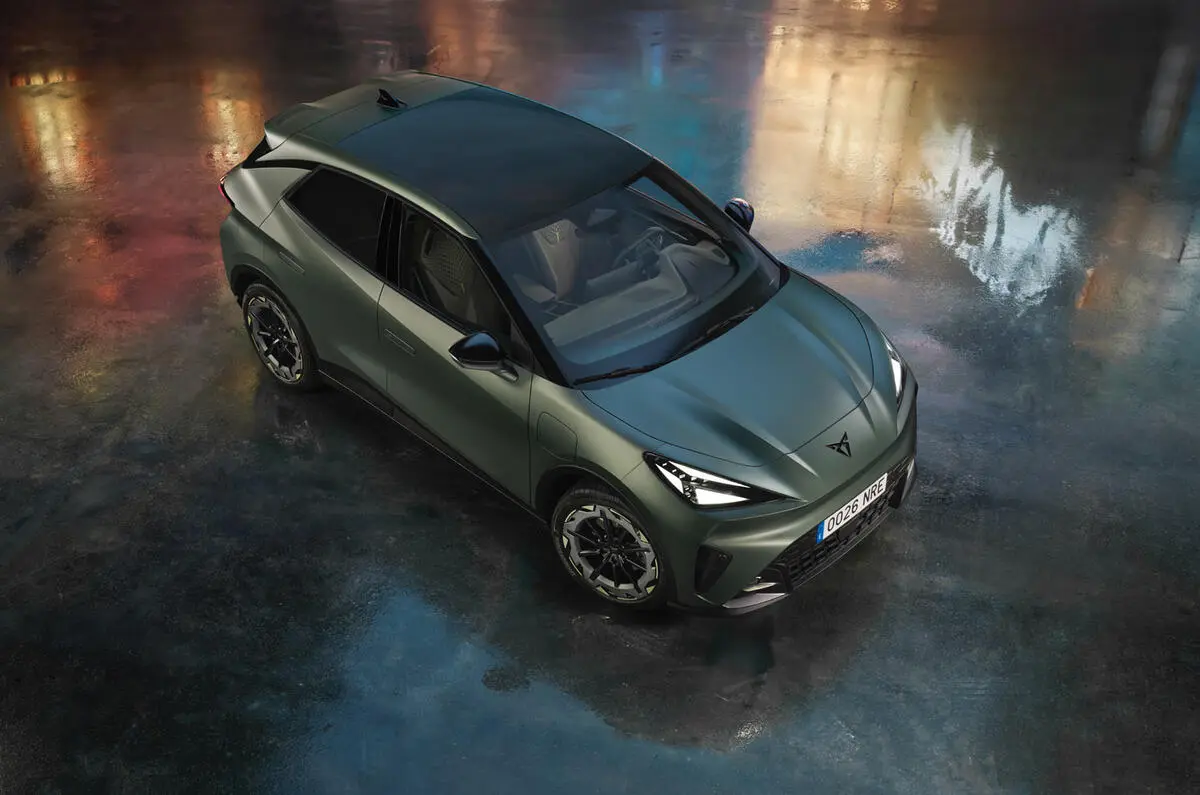
Cupra Raval: the affordable EV Portugal has been waiting for
Starting at €25,990, the Cupra Raval delivers up to 450 km of range, a 430-litre boot, and technology that punches well above its price class. For anyone tracking the Cupra Raval price Portugal market entry, this is the most complete affordable EV headed our way in 2026.
Built on Volkswagen Group's brand-new MEB+ platform, the Raval is the first car to use this architecture. It rolls off the line at SEAT's Martorell plant in Spain — European production that qualifies for national subsidies and keeps delivery times short for Portuguese buyers. Sales open across Europe in July 2026.
Four variants, two batteries: Cupra Raval specs breakdown
The lineup splits across two battery chemistries and four power levels. Here is what each version delivers:
| Variant | Power | Battery | WLTP Range | DC Charging (10-80%) |
|---|---|---|---|---|
| Core | 116 hp | 37 kWh LFP | ~300 km | 50 kW |
| V Plus | 135 hp | 37 kWh LFP | ~300 km | 88 kW — 23 min |
| V Endurance | 211 hp | 52 kWh NMC | ~450 km | 105 kW — 24 min |
| VZ | 226 hp | 52 kWh NMC | ~380-400 km | 105 kW — 24 min |
The V Endurance steals the show on efficiency: roughly 450 km WLTP with an estimated consumption of just 11.6 kWh/100 km. In practical terms, that covers Lisbon to Porto without stopping and with margin to spare. Even the entry-level 300 km range handles the average Portuguese daily commute — under 40 km — with ease.
LFP vs NMC battery: what it means for buyers
The 37 kWh models use LFP (lithium iron phosphate) cells — cheaper, more durable over charge cycles, and ideal for urban and suburban driving. The 52 kWh models go with NMC chemistry, offering higher energy density and the longer range that comes with it.
Both use cell-to-pack architecture with prismatic cells, manufactured by PowerCo (VW Group's battery subsidiary). European production means eligibility for various national purchase incentives.
What the MEB+ platform changes compared to what came before
MEB+ is not a minor update to the MEB architecture found in the Cupra Born. There are structural differences that matter on the road:
- APP290 motor with permanent magnets and a silicon carbide (SiC) inverter, boosting energy efficiency
- Front-wheel drive instead of the rear-driven layout of earlier MEB models — a change designed to cut costs and improve wet-weather handling
- Gigacasting for battery protection, simplifying production and reinforcing the structure
- V2L as standard — the car can power external devices, handy for camping or during power outages
This platform will also underpin the upcoming VW ID.Polo and Skoda Epiq. The Raval gets it first, meaning Cupra takes both the risk and the prestige of being the pioneer.
Cupra Raval VZ: the affordable sports EV that challenges the Alpine A290
For those who want more than efficiency, the VZ version delivers 226 hp, an electronic limited-slip differential, and adaptive DCC Sport suspension with 15 damper settings. Zero to 100 km/h takes 6.8-7.0 seconds. Top speed sits at 175 km/h.
Those numbers place the VZ close to the Alpine A290 GTS (220 hp), but with a different philosophy: where the Alpine leans on rally heritage, the Raval VZ combines sporty driving with daily practicality. The boot keeps its 430 litres, and stability control can be fully disabled — rare at this price point.
Price? In Europe, the VZ is expected around €37,000 or above. Not cheap, but below the Alpine A290, and with more cargo space.
Cupra Raval vs Renault 5 E-Tech: how they compare in Portugal
The inevitable comparison. The Renault 5 E-Tech launched strong and sits at a similar price point (~€25,000). But there are concrete differences:
| Feature | Cupra Raval V Endurance | Renault 5 E-Tech |
|---|---|---|
| WLTP Range | ~450 km | ~410 km |
| Boot | 410-430 litres | 326 litres |
| DC Charging | 105 kW (24 min) | 100 kW |
| V2L | Yes, standard | No |
| Max Power | 211 hp | 150 hp |
The Raval wins on range, boot space (over 100 litres more), and power. The Renault 5 counters with nostalgic design appeal, a well-established service network, and potentially earlier availability in Portugal.
Both share the same price bracket but serve different buyer profiles. If you prioritise space and versatility, the Raval offers more. If charm and simplicity matter more, the Renault may be your pick.
How much will the Cupra Raval cost in Portugal
The European starting price is €25,990 for the Core version. In Portugal, electric vehicles benefit from ISV exemption (the Portuguese vehicle registration tax) and IUC exemption (annual road tax), making the total cost of ownership significantly lower than any equivalent combustion-engine car.
For company buyers, there are additional benefits: reduced autonomous taxation on electric company cars and VAT deduction on leasing. In a segment where every euro matters, these tax advantages make a real difference.
The 52 kWh battery versions arrive first (summer 2026). The more affordable LFP entry models are expected in the second half of 2026. Those watching their budget will need to wait a bit longer.
Interior and technology: more than you would expect at this price
The Raval's cabin surprises with its perceived quality. The 12.9-inch infotainment screen runs on Android OS with native Google Maps, wireless Android Auto, and wireless Apple CarPlay. Ahead of the steering wheel sits a 10.25-inch digital cockpit — the largest in Cupra's current range.
A standout detail: projectors cast animated light patterns onto the door panels, a theatrical touch that reinforces the brand's identity. The 12-speaker Sennheiser sound system is optional, while the standard 7-speaker setup already delivers solid audio quality.
Rear legroom impresses for a car measuring just 4.05 metres. The 410-430-litre boot, with a modular two-level floor and underfloor cable storage, is actually larger than the Cupra Born's — a car from the segment above.
Frequently Asked Questions
Cupra Raval sales open across Europe in July 2026, with the 52 kWh battery versions (V Endurance and VZ) arriving first. The more affordable entry-level models with the 37 kWh LFP battery, starting from €25,990, are expected in the second half of 2026. Official Portuguese pricing should be confirmed in the coming months.
As a fully electric vehicle, the Cupra Raval qualifies for full ISV exemption (Portugal's vehicle registration tax) and IUC exemption (annual road tax). Company buyers benefit from reduced autonomous taxation on electric company cars and VAT deduction on leasing. These tax advantages significantly lower the total cost of ownership compared to an equivalent combustion-engine car.
The Raval offers two options: a 37 kWh LFP (lithium iron phosphate) battery in the Core and V Plus models, delivering ~300 km of range with greater durability over charge cycles and a lower price; and a 52 kWh NMC battery in the V Endurance and VZ models, offering up to ~450 km of range with higher energy density. Both use cell-to-pack architecture with prismatic cells, manufactured in Europe by Volkswagen Group's PowerCo subsidiary.
The Cupra Raval charges from 10% to 80% in roughly 23-24 minutes at DC fast charging stations. The V Plus version (37 kWh) supports up to 88 kW, while the V Endurance and VZ versions (52 kWh) reach 105-130 kW. All versions use the CCS Combo connector and support Plug & Charge for seamless public charging.
At the same price point (~€25,000-€26,000), the Cupra Raval V Endurance beats the Renault 5 E-Tech on range (~450 km vs ~410 km), boot space (430 litres vs 326 litres), power (211 hp vs 150 hp), and includes V2L as standard. The Renault 5 counters with nostalgic design appeal and a more established service network in Portugal. Both are excellent choices — the decision comes down to whether you prioritise versatility or charm.
An affordable EV worth keeping on your radar
The Cupra Raval positions itself as the most complete affordable electric car arriving in our market in 2026. Competitive range, above-average space, top-tier technology, and Spanish production — all starting under €26,000.
With sales opening in July 2026 and the most affordable versions following in the second half of the year, anyone considering the switch to electric has a strong contender here. Official Portuguese pricing should be confirmed in the coming months — worth keeping an eye on.