
Chinese Cars Made in Europe: What Chery's Nissan UK Deal Means for Portugal
Published: 07/06/2026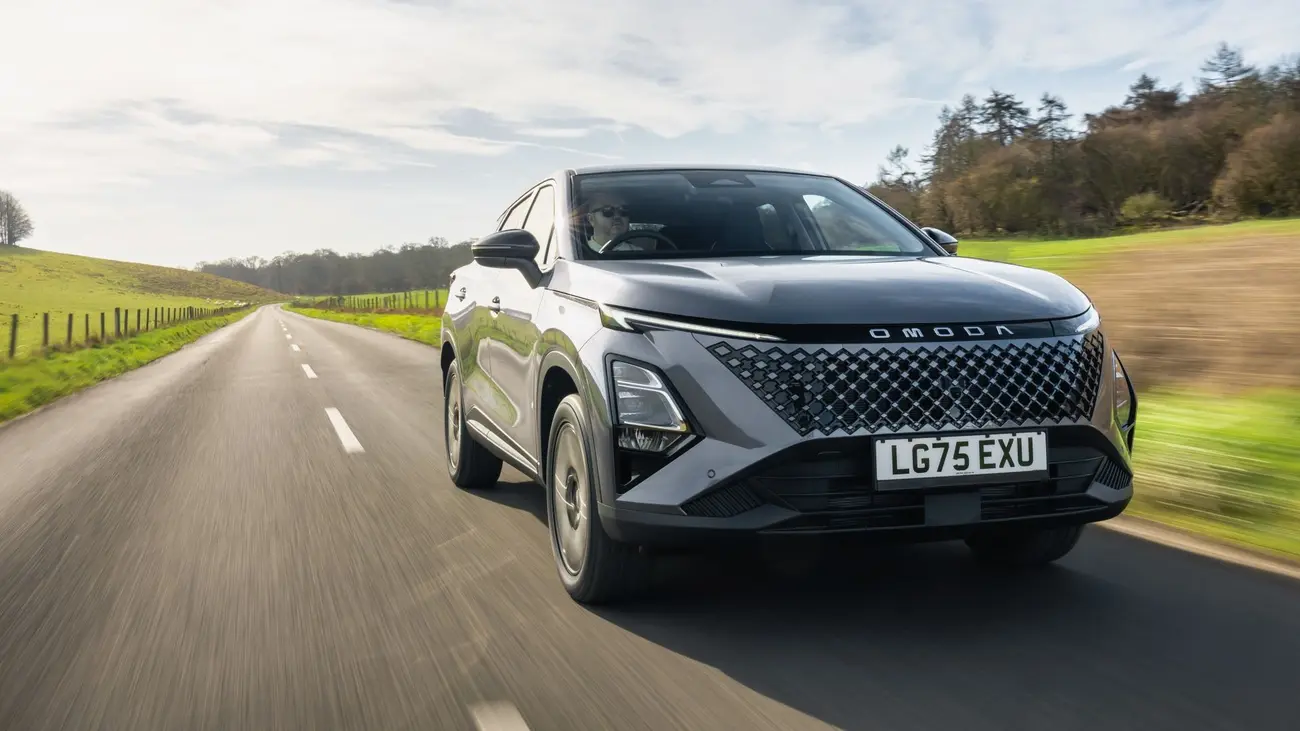
Chery is about to build cars in Europe — and that changes things for buyers in Portugal
Chery, the parent of the Omoda, Jaecoo and Lepas brands, has signed a deal to build cars at Nissan's Sunderland plant in the UK from fiscal year 2027. It's the first time a Chinese brand will assemble vehicles at scale on British soil — and it's one piece of a much bigger plan to make Chinese cars in Europe. For anyone in Portugal eyeing an Omoda or a Jaecoo, that plan has direct consequences for price and availability.
The agreement between Nissan and Chery International UK is, for now, a non-binding memorandum of understanding, announced on 3 June 2026. In practice, Nissan will contract-manufacture Chery's cars on its currently idle production line — known as Line One. The factory stays fully Nissan-owned, and the workers stay on Nissan's payroll. Chery builds nothing on its own here: it hands the work to a plant that's running at half speed.
Why Chery wants a factory in Europe
The reason is simple, and it has a number: tariffs. The European Union slaps an extra 20.7% duty on Chery's electric cars — on top of the standard 10% import duty. Shipping EVs from China into Europe got expensive. Building them inside Europe sidesteps most of that.
There's a second, more technical factor that matters just as much. From 2027, the post-Brexit rules of origin between the EU and the UK tighten. For a car to move duty-free between the two, it needs a minimum share of local content. Assembling in Sunderland helps Chery clear those thresholds. Chery president Ke Chuandeng put it plainly: "I don't think it's realistic to always import cars from China."
What the Sunderland plant is
Sunderland is the UK's largest car factory. It employs around 6,000 people and built 273,322 vehicles in 2025 — roughly half its maximum capacity of about 600,000 cars a year. In other words, there was a lot of idle assembly line.
For Nissan, the deal fixes a problem. The Japanese brand closed fiscal 2025 with a net loss of ¥533.1 billion (around $3.53 billion), its second straight year of heavy losses. It consolidated Leaf, Qashqai and Juke production onto Line Two and freed up Line One for Chery. It's a way to make the plant earn its keep without laying anyone off.
The Chinese wave has already overtaken Japanese brands
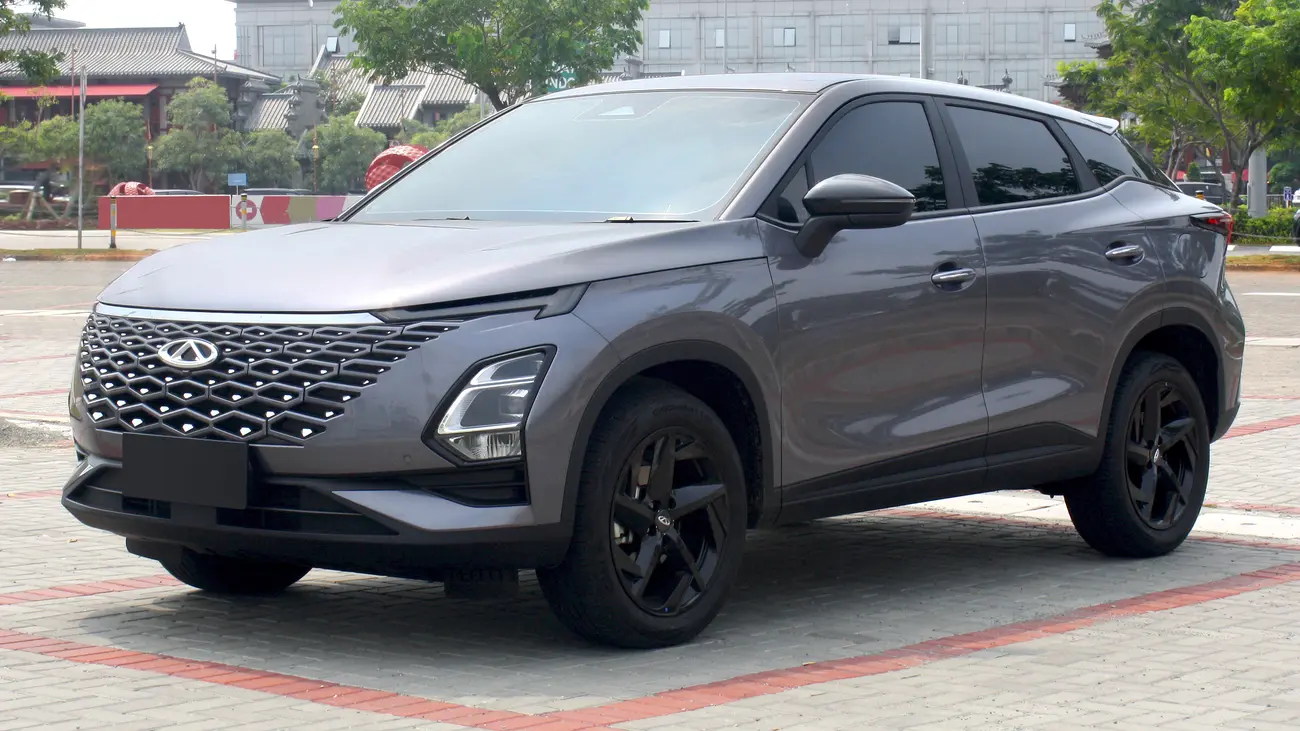
In the UK, Chery's brands — Jaecoo, Omoda, Lepas and Chery itself — together hold close to 7% of the market. Chery alone accounted for roughly 6% of registrations in the first four months of 2026. And one figure says it all: for the first time, the combined share of Chinese brands has overtaken the traditional Japanese marques.
Sunderland is only one piece. Chery has a joint venture with Spain's Ebro at a plant near Barcelona — a former Nissan site with capacity for up to 200,000 units a year — where pilot assembly has already started. The stated goal is to reach at least 50% non-Chinese content to cut its tariff exposure. There are also talks to build the Lepas brand at a Volkswagen plant in Germany. And two urban SUVs, the Omoda 1 and Omoda 2 (around 4 metres long), are planned for 2027 and 2028.
What this means for buyers in Portugal
Here's what matters if you're looking at an Omoda or a Jaecoo at a Portuguese dealer.
Potentially steadier prices. Cars built in Europe don't pay the 20.7% EV surcharge. That won't translate into automatic discounts tomorrow — but it takes pressure off prices and reduces the risk of tariff-driven increases. For Chery's electric models, it's the difference between competing on equal footing and starting every race with a cost handicap.
Shorter delivery times. A car assembled in Sunderland or Barcelona reaches Portugal far faster than one leaving a Chinese port. Less sea transport, less exposure to logistics delays.
More trust in the brand. For many Portuguese buyers, "built in Europe" carries weight. Knowing your Omoda or Jaecoo came off a line that built British-market Nissans for years offers extra reassurance — especially for anyone still wary of the "made in China" label.
One caveat: no models have been confirmed for Sunderland yet. The deal is a non-binding, early-stage MoU, and production won't start until 2027. The Omoda and Jaecoo cars you buy in Portugal today still come from China.
Frequently Asked Questions
Chery signed a non-binding memorandum for Nissan to build its cars at the Sunderland plant in the UK from fiscal year 2027, using the currently idle Line One. In parallel, Chery has already begun pilot assembly at a plant near Barcelona, Spain, in a joint venture with Ebro, with capacity for up to 200,000 units a year. For now, the Omoda and Jaecoo models sold in Portugal are still imported from China.
Building in Europe avoids the 20.7% surcharge the European Union applies to Chery's electric cars, on top of the standard 10% import duty. That won't mean automatic discounts in the short term, but it takes pressure off prices and reduces the risk of tariff-driven increases. For Chery's electric models, it's the difference between competing on equal footing and starting every race with a cost handicap.
Sunderland production is only expected to start in fiscal year 2027, and no models have been confirmed for that plant yet since the deal is an early-stage memorandum. The Barcelona assembly is further along, in a pilot phase. Until then, the Omoda and Jaecoo cars you buy at a Portuguese dealer today still come from China.
European production brings three practical benefits: potentially steadier prices without the 20.7% surcharge, shorter delivery times than a car shipped from a Chinese port, and more trust for buyers who value the "made in Europe" label. Chery's brands already hold around 7% of the UK market, overtaking Japanese marques for the first time. When the first European-built models reach showrooms, it will be worth comparing their price and delivery time against today's cars.
The main reason is tariffs: importing EVs from China into the EU carries a 20.7% surcharge on top of the 10% import duty. From 2027, the post-Brexit EU–UK rules of origin also tighten, requiring a minimum share of local content for duty-free movement. Chery aims to reach at least 50% non-Chinese content to cut its tariff exposure, and its president has admitted it is "not realistic to always import cars from China."
What's worth watching
Chery's move isn't a one-off. Ford, Stellantis and Volkswagen are reportedly studying similar contract-manufacturing deals, and SAIC — MG's owner — is planning a €200 million factory in Spain for 2028. UK car production recently fell to its lowest level since 1953, and it's Chinese makers filling that space.
For the Portuguese market, the signal is clear: Chinese brands are here to stay, and they're moving beyond simply importing. When the first "European" Omoda and Jaecoo models reach the showrooms, it'll be worth comparing their price and delivery time against today's cars. That's where you'll see, in euros, what this shift actually delivered.