
European Car of the Year 2027 Finalists: Prices in Portugal, Battery and Range
Published: 11/11/2026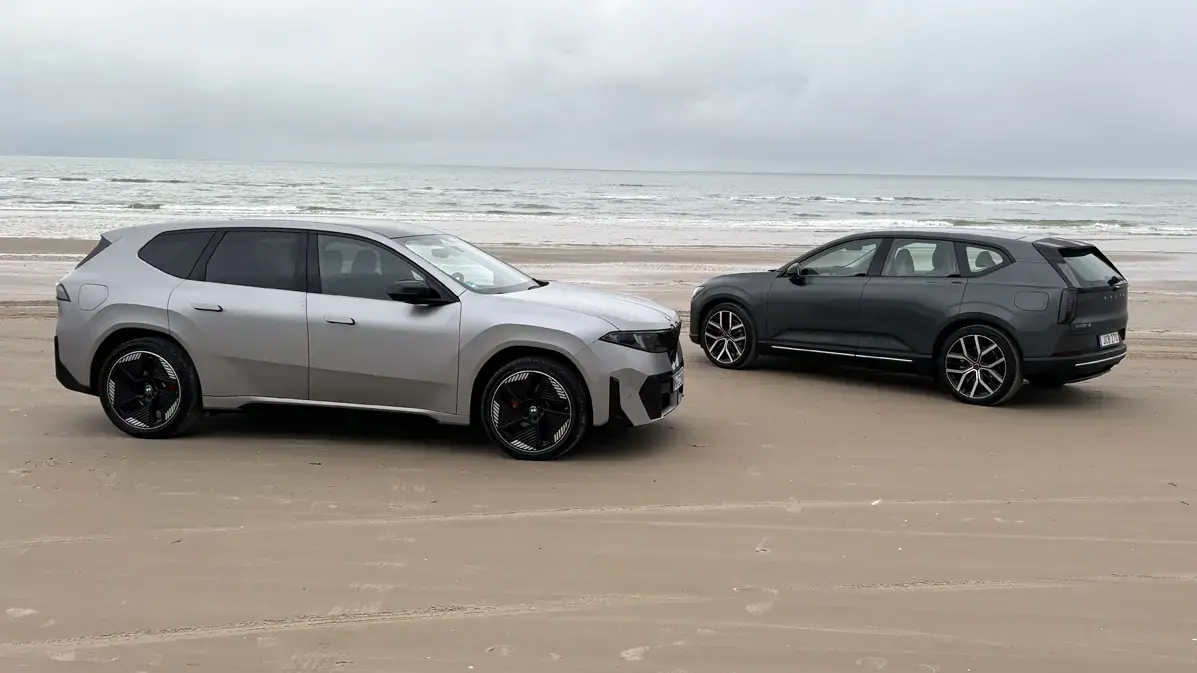
European Car of the Year 2027: seven finalists, all electric
Seven cars, not a single combustion engine. For the first time in the award's 63-year history, every European Car of the Year 2027 finalist is fully electric. The winner will be named on 8 January 2027 at the Brussels Motor Show, taking over from the Mercedes-Benz CLA, which won the 2026 edition.
One thing to keep straight: this is the European award, voted by a jury of motoring journalists from 25 countries. It isn't Portugal's national Carro do Ano (Essilor Carro do Ano / Volante de Cristal), whose winner is only announced in March. And for anyone shopping for an EV in Portugal, the shortlist is good news. Five of the seven are small, relatively affordable cars, and three of them start below €30,000 here.
Which cars are the European Car of the Year 2027 finalists
In alphabetical order, the official list is: BMW iX3, Cupra Raval, Hyundai Ioniq 3, Kia EV2, Renault Twingo E-Tech, Volkswagen ID. Polo and Volvo EX60.
Two groups have placed two cars each. Volkswagen Group brings the ID. Polo and the Cupra Raval, both on the MEB+ platform and both built in Martorell, Spain. Hyundai-Kia brings the Ioniq 3 and the EV2, which share 400V technology and similar battery options. The remaining three are the Twingo, Renault's A-segment bet, and two premium SUVs on 800V architecture: the BMW iX3 and the Volvo EX60.
Car of the Year 2027 finalists: prices in Portugal, battery and range
| Model | Battery | Max WLTP range | Price in Portugal (from) | Built in |
|---|---|---|---|---|
| Renault Twingo E-Tech | 27.5 kWh LFP | 263 km | €19,490 | Novo Mesto, Slovenia |
| Volkswagen ID. Polo | 37 kWh LFP / 52 kWh NMC | around 450 km | around €25,000 (pre-sale, 37 kWh) | Martorell, Spain |
| Cupra Raval | 38.5 kWh / 55 kWh | 445–447 km | €27,590 (38.5 kWh) | Martorell, Spain |
| Kia EV2 | 42.2 kWh LFP / 61 kWh NMC | 317 km / 453 km | €32,250 (42.2 kWh) | Žilina, Slovakia |
| Hyundai Ioniq 3 | 42 kWh / 61 kWh | 344 km / 497 km | €33,500 (42 kWh) | İzmit, Turkey |
| BMW iX3 | not confirmed | 805 km (50 xDrive) | around €68,300 (iX3 40) | n/a |
| Volvo EX60 | 83 kWh / 117 kWh | 810 km (AWD) | €67,906 (P6 Plus, 83 kWh) | n/a |
Two caveats. Maximum range always refers to the version with the bigger battery, which costs considerably more than the entry price. And the Portuguese prices come from local publications and dealers, so check with the brand before you commit.
In Portugal, only three come in under €30,000
In the Netherlands, five finalists start below €30,000. Portugal is a different story. The Kia EV2 starts at €32,250 and the Hyundai Ioniq 3 at €33,500, against €27,595 and €27,995 on the Dutch market. That leaves only the Twingo, the ID. Polo and the Raval below the line.
At the other end, the iX3 and EX60 cost more than three times as much as the Twingo. This is a final with two very separate worlds.
Renault Twingo electric: the cheapest finalist
How much is the electric Renault Twingo in Portugal? From €19,490 in Evolution trim and €21,090 as a Techno. The version with fast charging adds roughly €460. It's the cheapest car in the final and the smallest, at 3.80 m long.
The 27.5 kWh LFP battery gives up to 263 km WLTP. That's the shortest range of the seven, and the obvious weak spot if you regularly drive Lisbon to Porto. Renault's own usage data from 12,000 cars paints a different picture, though: 26 km a day on average, just 4% of distance on motorways, and 82% of charging done at home on AC. If you live and work in the city and have somewhere to plug in, 263 km covers a week comfortably.
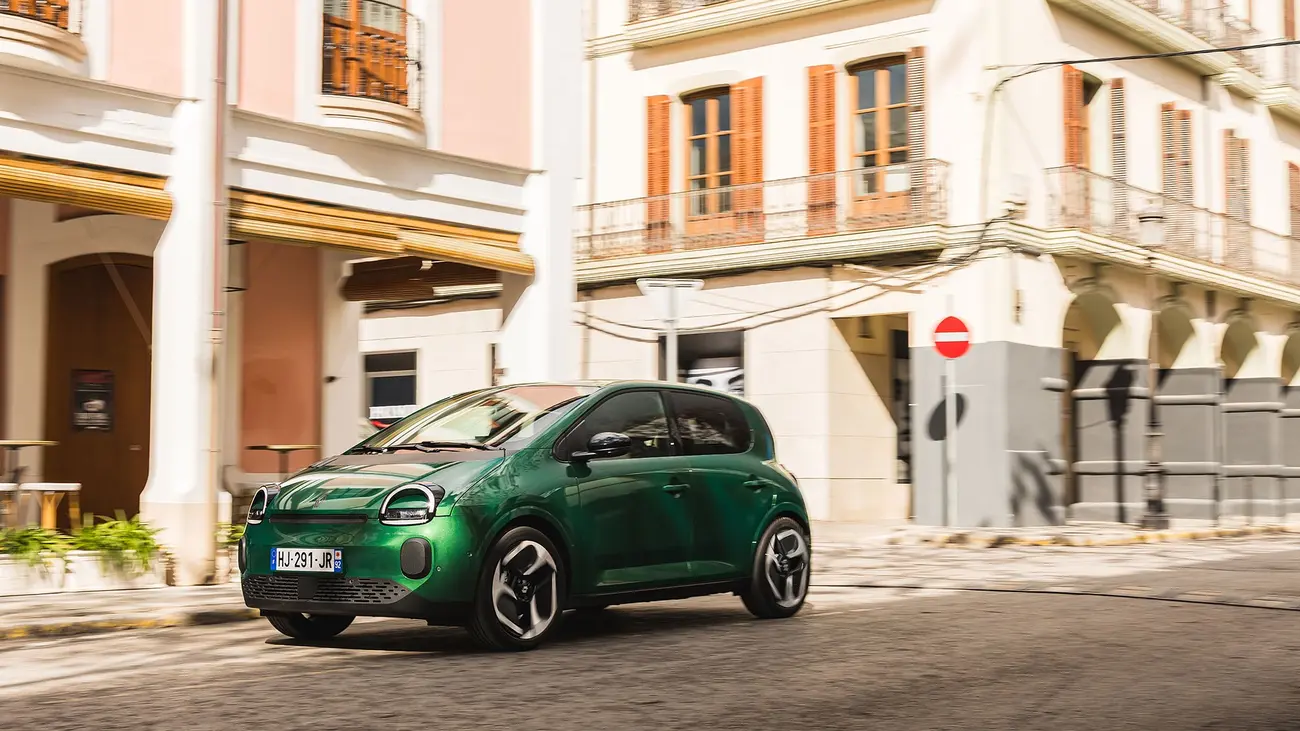
The rear seats slide independently by 17 cm, and the Techno trim gets OpenR Link with Google built-in, a first for the A-segment. Around 26,000 have been sold in Europe since the April 2026 launch, and in Q3 it was Europe's best-selling A-segment EV. This is Renault's sixth consecutive final, and the brand won two of the last three editions (Scénic in 2024, Renault 5 in 2025).
Volkswagen ID. Polo and Cupra Raval: the Martorell cousins
Cupra Raval or Volkswagen ID. Polo? Under the skin, they're very close: same MEB+ platform, same factory, similar batteries. The difference is character. The ID. Polo is the practical one, 4.05 m long with a 435-litre boot (1,243 litres with the seats folded). The Raval is the sportier choice, with bolder styling and a higher spec.
Volkswagen ID. Polo: price in Portugal and a long wait
The Volkswagen ID. Polo is listed at around €24,700–24,995 in Portugal for the 37 kWh pre-sale version. Dealer F1RST special editions start at €29,950. The 52 kWh NMC version reaches around 450 km WLTP. The 37 kWh LFP car is estimated at around 300 km and arrives later, due to delays in LFP cell supply.
If this is your car, be ready to wait. There are more than 30,000 European orders and a waiting list of over ten months. On DC fast charging, the 37 kWh version takes 90 kW; for the 52 kWh battery, sources disagree between 105 and 130 kW.
Cupra Raval: pricier, better equipped
The Raval starts at €27,590 with the 38.5 kWh battery and 115 hp. The Plus costs €29,000, the 55 kWh Endurance rises to €34,430 and the sporty VZ sits at €36,710. Maximum range is 445–447 km WLTP. Watch the charging spec: the entry version is limited to 50 kW DC, the small battery in higher trims reaches 88 kW, and the big battery 105 kW.
Kia EV2 vs Hyundai Ioniq 3: the Korean pair cost more in Portugal
Both share 400V technology and 42 and 61 kWh batteries, but the body styles differ. The Kia EV2 is a compact B-segment SUV built in Slovakia, with up to 403 litres of boot space and a five-star Euro NCAP rating. The Ioniq 3 is a low hatchback (Hyundai calls it an "Aero Hatch"), about 4.16 m long and built in Turkey.
| Kia EV2 | Hyundai Ioniq 3 | |
|---|---|---|
| Smaller battery | 42.2 kWh LFP, 317 km | 42 kWh, 344 km |
| Larger battery | 61 kWh NMC, 453 km | 61 kWh, 497 km |
| Price in Portugal (from) | €32,250 | €33,500 |
| Top of the range in Portugal | €38,000 (Drive LR, 61 kWh) | around €41,907 |
On range, the Ioniq 3 wins: 497 km against 453 km with the larger battery, likely helped by its sleeker shape. The EV2 answers with more usable space and a higher driving position. For company buyers, the EV2 starts at €28,490, a gap that matters if your business can reclaim VAT.
The real problem for both in Portugal is price. With the EV2 starting at €32,250 for private buyers, anyone after a small EV with good range will also end up looking at the Raval Endurance or the 52 kWh ID. Polo.
BMW iX3 and Volvo EX60: 800V and over 800 km
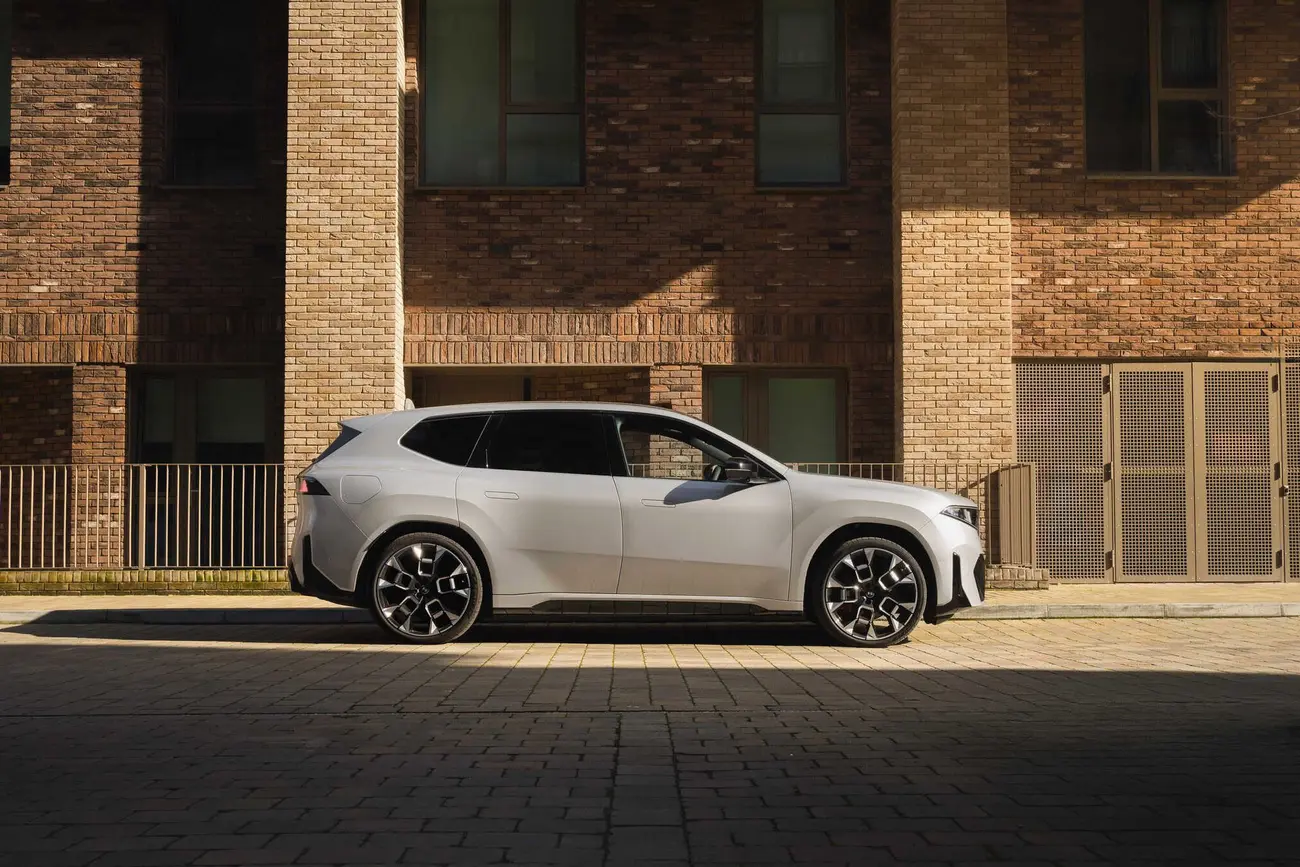
The two premium SUVs play in a different league, on price too. The BMW iX3 is the first production model on the Neue Klasse platform. Running an 800V system, it charges at up to 400 kW DC and reaches 805 km WLTP as a 50 xDrive. Published Portuguese prices don't line up: some quote €68,300 for the iX3 40 and €72,900 for the iX3 50 xDrive, while one outlet puts it close to €80,000. Demand isn't an issue. BMW took around 100,000 orders in the first year and the car is sold out.
The Volvo EX60 debuts a new platform, SPA3, with a cell-to-body battery and 800V as well. Batteries come in 83 kWh (P6) and 117 kWh (P12) sizes, and the all-wheel-drive version claims 810 km WLTP, the best figure in the final. In Portugal, prices run from €67,906 (P6 Plus) to €84,142 (P12 Ultra), with the P10 Plus at €70,981. Orders have been open since 21 January 2026.
Why there are no Chinese cars in the final
Twelve of the original candidates were Chinese, and none made it through. BYD, Changan, Denza, Leapmotor, Xpeng and Zeekr all fell short. There are no hybrids or combustion cars either. And none of the seven finalists is built in China. The five more affordable ones come from factories in Spain, Slovenia, Slovakia and Turkey.
The jury itself links this all-electric final to the fuel crisis tied to the war in Iran and the Strait of Hormuz, which pushed up EV demand across Europe. The judging criteria include technology, engineering, performance, equipment and value for money.
When the European Car of the Year 2027 winner is announced
The jury meets on 25–26 November 2026 at the Balocco circuit (Vercelli, Italy) to test all seven cars. Voting runs until 31 December. Each juror spreads 25 points across the finalists, with a maximum of 10 per car, and must name a favourite.
The winner is announced on 8 January 2027 at the Brussels Motor Show, which has hosted the ceremony for the last three editions. The jury numbers 64 to 65 journalists from 25 countries, depending on the source, and started from a longlist of 38 models (43, according to Renault).
Frequently Asked Questions
The European Car of the Year 2027 winner will be announced on 8 January 2027 at the Brussels Motor Show. Before that, the jury of 64 to 65 journalists from 25 countries tests the seven finalists at the Balocco circuit in Italy on 25–26 November 2026 and votes until 31 December, with each juror spreading 25 points and giving no more than 10 to any one car. It is not the same as Portugal's national Carro do Ano (Essilor Carro do Ano / Volante de Cristal), whose winner is only revealed in March.
The Renault Twingo E-Tech is the cheapest European Car of the Year 2027 finalist, starting at €19,490 in Portugal (€21,090 as a Techno) with 263 km of WLTP range. Only two other finalists start below €30,000 here: the Volkswagen ID. Polo at around €25,000 for the 37 kWh pre-sale version, and the Cupra Raval from €27,590. If range matters most, the 52 kWh ID. Polo reaches around 450 km and the Raval 445–447 km.
The Hyundai Ioniq 3 starts at €33,500 in Portugal with the 42 kWh battery (344 km) and tops out at around €41,907, with up to 497 km WLTP from the 61 kWh battery. The Kia EV2 starts at €32,250 (317 km) and goes up to €38,000 for the 61 kWh Drive LR, rated at 453 km. Both cost between €4,600 and €5,500 more in Portugal than in the Netherlands, although the EV2 drops to €28,490 for company buyers.
The two premium SUV finalists for European Car of the Year 2027 both run 800V architecture and exceed 800 km WLTP: 805 km for the BMW iX3 50 xDrive and 810 km for the all-wheel-drive Volvo EX60, the best figure in the final. In Portugal the EX60 ranges from €67,906 (P6 Plus, 83 kWh) to €84,142 (P12 Ultra, 117 kWh), while the iX3 is quoted at around €68,300 (iX3 40) and €72,900 (iX3 50 xDrive), though one outlet puts it close to €80,000. The iX3 charges at up to 400 kW DC, but it took around 100,000 orders in its first year and is sold out.
No. As fully electric cars, the finalists benefit from Portugal's EV exemptions on ISV (the one-off registration tax) and IUC (the annual road tax), which matters most for the three priced under €30,000: the Twingo, the ID. Polo and the Raval. Businesses that can reclaim VAT also get dedicated pricing, such as €28,490 for the Kia EV2 versus €32,250 for private buyers. Check final prices with the brand, as the Portuguese figures come from local publications and dealers.
What this final means if you're buying in Portugal
The message from this edition is clear: the affordable European EV has made it to the top table. For a buyer in Portugal, three finalists fit a budget under €30,000, and all of them benefit from the EV exemptions on ISV (the one-off registration tax) and IUC (the annual road tax). The Twingo suits drivers who mostly stay in town and charge at home. The ID. Polo and the Raval are the pick if you need motorway range without stepping up a segment.
The Korean pair are good cars, but in Portugal they cost between €4,600 and €5,500 more than in the Netherlands. If you're considering one, keep an eye on brand campaigns and company pricing. And on 8 January we'll find out which of the seven won over the European jury.