
BMW iX1 and iX2 eDrive20 in Portugal: Price, Specs and Real Range
Published: 29/07/2026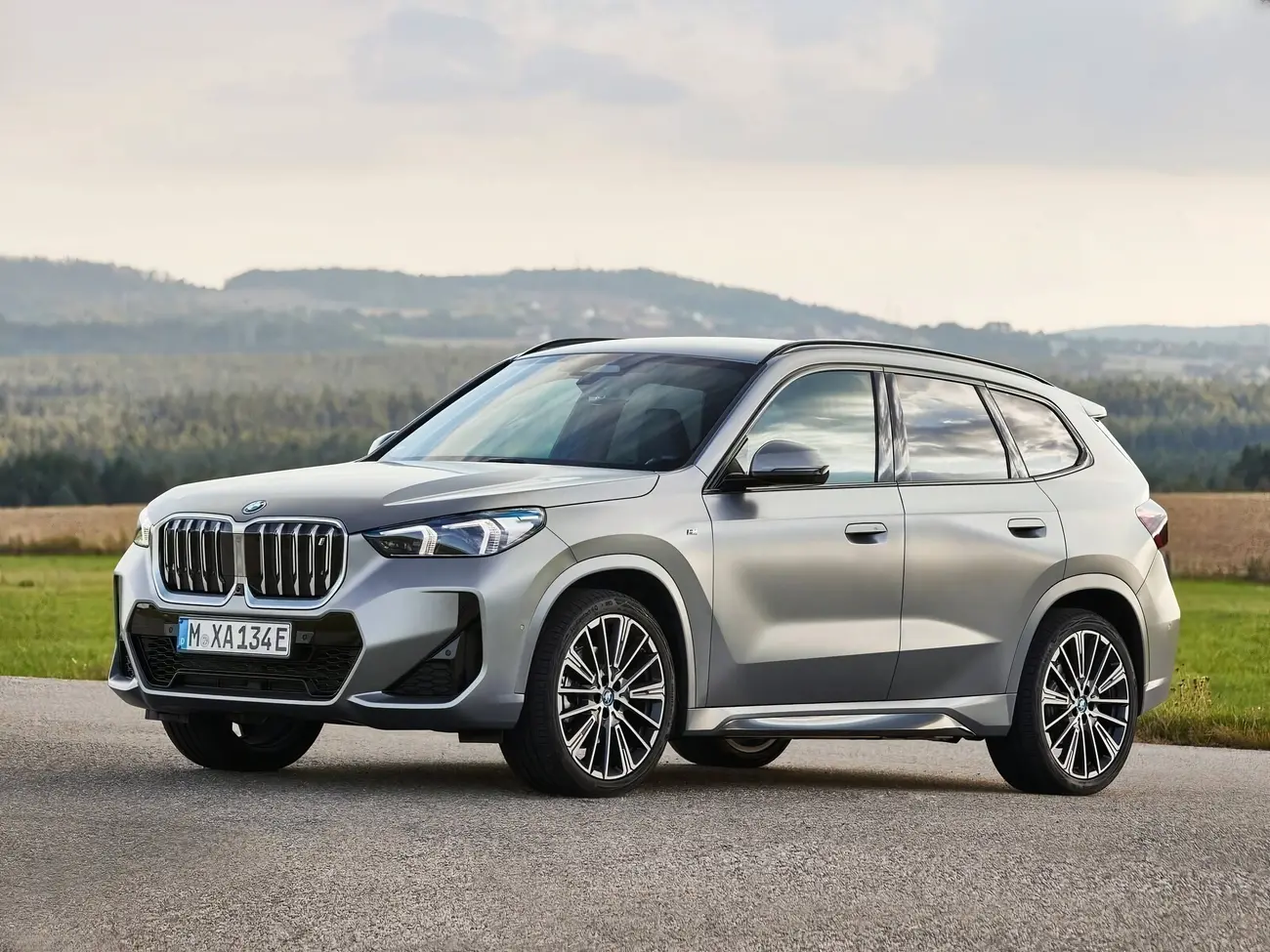
BMW iX2 eDrive20 price Portugal: what the UK price cuts reveal
BMW just slashed prices on the iX1 and iX2 in the UK — and it wasn't a small trim. The cut pushed both electric SUVs under the £42,000 threshold required by the UK's Electric Car Grant, making BMW the first premium German brand to qualify for the scheme's top funding band, worth £3,750. That's UK news, but it tells us something worth paying attention to in Portugal: where BMW is willing to push pricing on its entry-level electric line-up.
Neither the iX1 nor the iX2 has been covered here before, so this is a good moment to introduce them properly — specs, positioning, and what to expect on price in our market.
The UK price cut that changed the math
In the UK, the iX1 eDrive20 Sport dropped from £43,555 to £37,065 — a cut of nearly £6,500. With the Electric Car Grant applied on top, the final price falls to £33,315. BMW used the moment to launch a new trim too: the iX2 eDrive20 Sport, priced identically.
| Model | Previous price | New price | With ECG grant |
|---|---|---|---|
| iX1 eDrive20 Sport | £43,555 | £37,065 | £33,315 |
| iX1 eDrive20 xLine | £45,555 | £39,065 | £35,315 |
| iX1 eDrive20 M Sport | £48,305 | £41,815 | £38,065 |
| iX2 eDrive20 Sport | new trim | £37,065 | £33,315 |
| iX2 eDrive20 M Sport | £49,705 | £41,815 | £38,065 |
The most interesting detail: with the grant applied, the electric iX1 eDrive20 Sport now undercuts its petrol sibling, the X1 sDrive20i Sport, which costs £37,540 in the UK. That's the first time the electric version has come out cheaper than the combustion one in this line-up — grant included, but still a milestone.
To qualify for the top grant band, a car needs zero tailpipe emissions, an 8-year or 100,000-mile warranty, and stronger sustainability credentials in production. The Regensburg plant, where both the iX1 and iX2 are built, has over 25,000 m² of rooftop solar panels generating around 2.9 GWh a year — enough to power more than a thousand homes.
BMW iX1 and iX2 specs: what actually differs
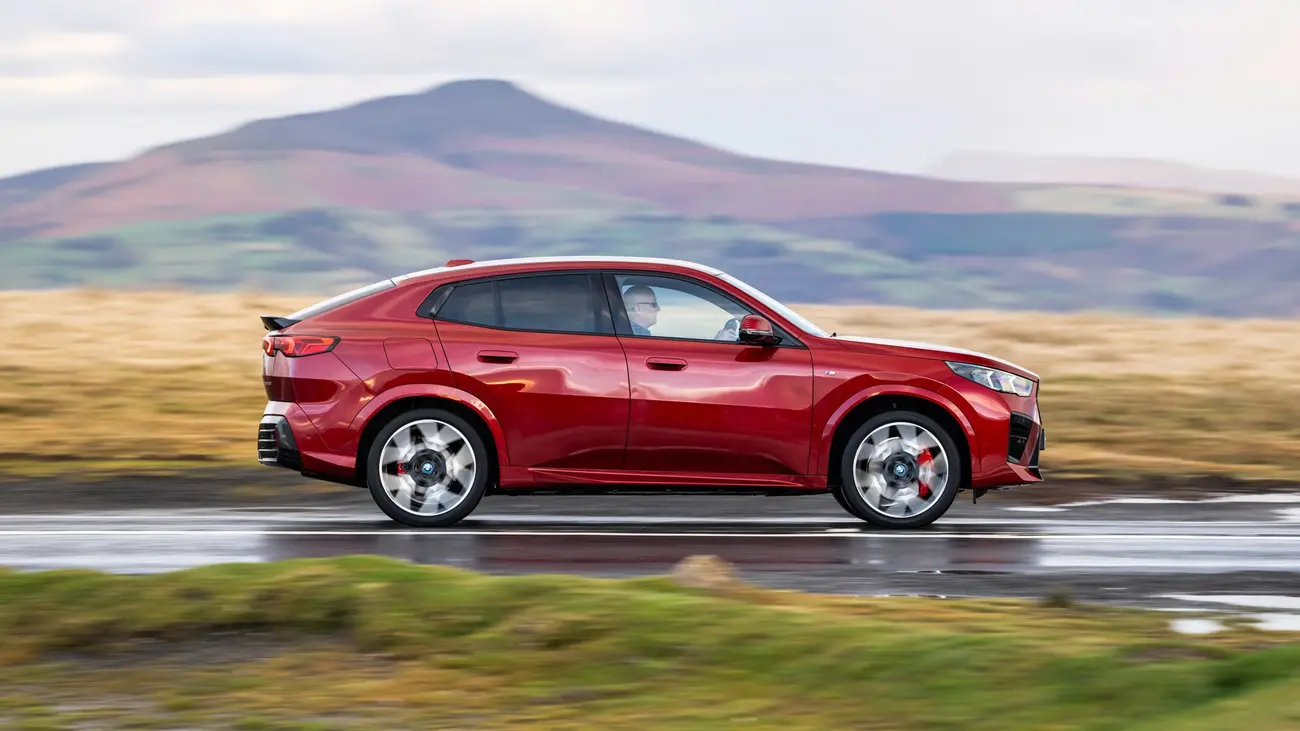
The iX1 and iX2 share the same platform and the same eDrive20 motor, but they're not just the same car in different clothes. The iX2 is the coupé-SUV of the pair — lower, sportier-looking; the iX1 is the traditional compact SUV, with more headroom.
| Spec | iX1 eDrive20 | iX2 eDrive20 |
|---|---|---|
| Battery | 66.4 kWh | 65.2 kWh |
| WLTP range (post-2026 update) | up to 514 km | up to 512 km |
| Efficiency | 16.1 kWh/100km | 15.7 kWh/100km |
| Motor output | 201 bhp (~150 kW) | 201 bhp (~150 kW) |
| Boot space | — | 525 litres |
| Production plant | BMW Plant Regensburg | BMW Plant Regensburg |
From spring 2026, both models get a quiet but meaningful upgrade: new silicon-carbide semiconductors in the power electronics. Without touching battery size, price, or design, BMW squeezed out roughly 40 km of extra WLTP range on each model. It's the kind of update that never makes it into an ad campaign, but it matters on a Lisbon-Porto run.
One source (Carwow) listed a lower range for the iX2 — around 454 km — but the more recent, official figures from BMW and specialist outlets confirm parity with the iX1, at 512-514 km. We're treating the lower figure as an outdated number, likely predating the spring update.
BMW iX1 vs iX2: which one to pick
The choice between the two isn't about performance — motor, battery, and range numbers are nearly identical. It's about what you want day to day.
- Go for the iX1 if you need more boot space and a taller, more upright driving position — the more practical pick for families.
- Go for the iX2 if you prefer a sportier silhouette and don't mind trading a bit of boot space for style. It's the coupé-SUV of the two.
- Both run the same 201 bhp motor and near-identical battery capacity, so the decision comes down to looks more than technical differences.
How much does the BMW iX2 cost in Portugal
The UK's Electric Car Grant doesn't apply here — it's a UK-only scheme. But the logic behind the price cut matters beyond Britain: BMW is making the entry point into its compact electric line-up more accessible across Europe, and Portugal shouldn't be an exception.
Based on reference European pricing, the BMW iX1 eDrive20 starts around €41,000 and the iX2 eDrive20 around €44,000 — indicative figures, to be confirmed on BMW Portugal's official configurator, since local pricing shifts with VAT, options, and ongoing campaigns. In Portugal, electric vehicles benefit from ISV exemption (a car registration tax) and reduced IUC (annual circulation tax), which helps offset the higher purchase price compared with an equivalent petrol SUV — the same dynamic the UK grant creates directly.
If the UK's price-cutting trend crosses over to continental Europe, the iX1 and iX2 eDrive20 could, for the first time, become the price-competitive choice within BMW's own line-up — not just the "green" option, but the cheaper one.
Frequently Asked Questions
Based on reference European pricing, the BMW iX2 eDrive20 starts around €44,000, roughly €3,000 above the iX1 eDrive20 (~€41,000) — indicative figures, to be confirmed on BMW Portugal's official configurator. In the UK, BMW matched the entry-level Sport trims at the same price (£37,065 before incentives), so the final gap in Portugal may depend on options and ongoing campaigns.
In the UK, BMW matched the entry-level eDrive20 Sport price for both models (£37,065), but higher trims cost more on the iX2 — the M Sport is £49,705 on the iX2 versus £48,305 on the iX1. The gap reflects the iX2's positioning as a coupé-SUV, with a sportier body and a buyer profile willing to pay a style premium, even though it shares its motor and platform with the iX1.
Both models support DC fast charging up to 130 kW, which recovers the battery from 10% to 80% in roughly 29 minutes at a fast charger (an estimated figure, to be confirmed against official specs for the Portuguese market). That's enough to top up meaningful range during a short stop on the national fast-charging network.
In Portugal, fully electric vehicles like the iX1 and iX2 benefit from ISV exemption (vehicle registration tax) and reduced or waived IUC (annual circulation tax), which helps offset their higher purchase price versus an equivalent petrol SUV. It's a similar logic to the UK's Electric Car Grant, which cut the final price of the iX1 and iX2 by £3,750 in Britain, though the tax mechanisms differ between the two countries.
The iX2 eDrive20 Sport trim launched in the UK in July 2026 as a brand-new variant, priced the same as the equivalent iX1 trim. There's no confirmed arrival date yet for this entry-level trim in the Portuguese market, but since the iX1 and iX2 share the same platform and eDrive20 motor, it's reasonable to expect BMW Portugal to align its line-up with the pricing structure already rolled out in other European markets.
BMW iX1 real-world range: what to expect day to day
The 512-514 km WLTP figures are lab numbers. On the road — motorway speeds, air conditioning, real Portuguese driving conditions — a realistic range is closer to 380-430 km, still enough for a Lisbon-Porto trip without a charging stop, and with room to spare.
Fast DC charging is another point in their favour: both models support charging up to 130 kW, enough to recover a meaningful chunk of range during a 20 to 30-minute stop at a fast charger on the national network.
The UK price cuts won't necessarily move the sticker price on the BMW iX1 or iX2 in Portugal tomorrow. But they show BMW is willing to squeeze margin to make its compact EVs more competitive — and that kind of pressure tends to cross the Channel sooner or later.