
BMW i1 in Portugal: Electric 1 Series Brings Back Rear-Wheel Drive
Published: 24/05/2026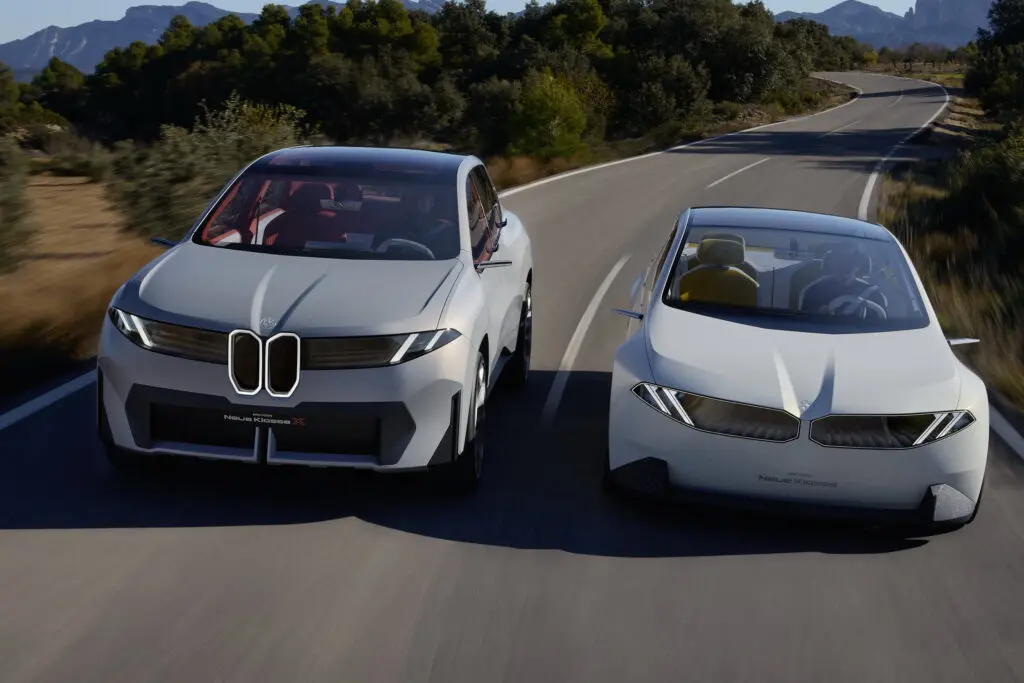
Rear-wheel drive returns to the 1 Series — but only when you plug it in
Seven years after BMW switched the 1 Series to front-wheel drive in 2019 and upset half the enthusiast world, the brand is course-correcting. The fourth-generation hatch arrives in 2028, and the BMW i1 electric Portugal buyers will be eyeing brings back classic rear-wheel-drive layout — but only in the fully electric version, built on the new Neue Klasse Gen6 platform. The petrol and plug-in hybrid variants stay front-driven on the carryover UKL2 architecture.
For Portuguese-based buyers, this matters for one practical reason: for the first time, a premium compact BMW hatch will offer rear-drive dynamics at a target price around £30,000 (roughly €35,000 before local taxes) — a positioning the 1 Series has never had, not even in its previous rear-drive generations.
What's confirmed about the BMW 1 Series electric 2028
BMW is running a dual-platform strategy. The i1, with internal codename NB0, sits on the same electric platform that underpins the new iX3 and the upcoming iX3 derivatives. It's a ground-up rear-drive architecture with a single rear motor as standard.
The combustion 1 Series, meanwhile, keeps the current UKL2 base, with 1.5-litre three-cylinder and 2.0-litre four-cylinder petrol engines. The big change here is a new plug-in hybrid: a roughly 19.5 kWh battery delivers about 60 miles (97 km) of pure-electric range — figures that put it ahead of most compact PHEVs currently on sale in Portugal.
Production of the current F40 wraps up between 2027 and early 2028. The i1 enters production late 2028, followed shortly after by the i2 Gran Coupe, a four-door compact saloon that will also be electric-only.
Power and range: what the sources say
The standard i1's rear motor should be inherited from the iX3 40, the entry-level version of the electric SUV. That means 235 kW (around 316–322 hp) and 500 Nm of torque — enough to make it more powerful than any current non-M 1 Series.
For enthusiasts, the bigger news is the M variant. A dual-motor, all-wheel-drive flagship is planned with 463 hp (345 kW) and 645 Nm. If those numbers hold, the i1 M would become the most powerful 1 Series ever built, eclipsing today's M135i.
Range is where BMW trims to hit the price. The battery will be clearly smaller than the i3's 108.7 kWh pack (which delivers around 900 km WLTP). The declared target for the i1 is roughly 600 km WLTP — about 450–480 km of real-world driving, enough for a Lisbon-to-Porto run without a mandatory charging stop.
Projected BMW i1 specs (standard version)
| Specification | Value |
|---|---|
| Platform | Neue Klasse Gen6 (NB0) |
| Drivetrain | Rear-wheel drive, single motor |
| Power | 316–322 hp (235 kW) |
| Torque | 500 Nm |
| WLTP range (target) | around 600 km |
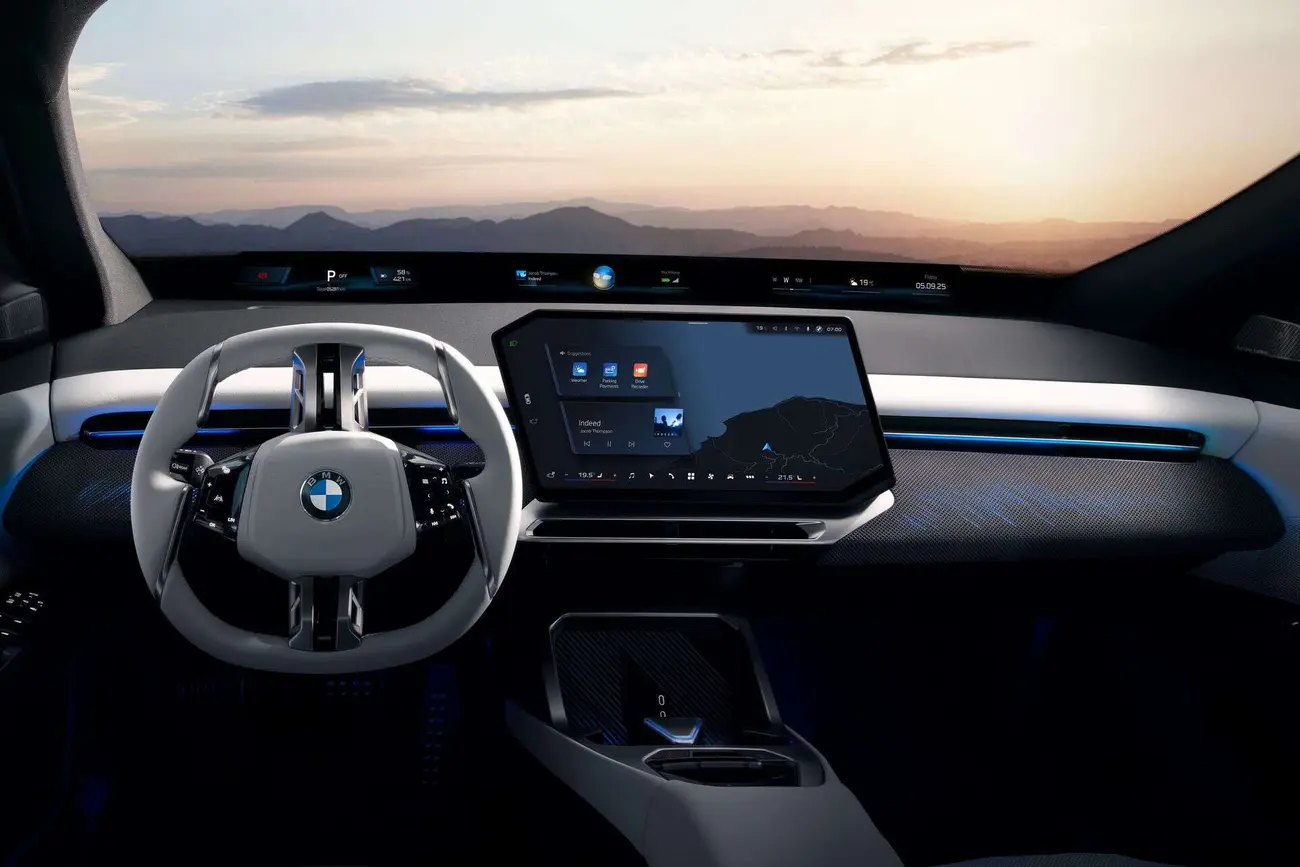
| Central display | 17.9-inch, slanted |
| Panoramic iDrive | 43.3-inch pillar-to-pillar |
| Target price (UK) | around £30,000 |
| Production start | late 2028 |
BMW i1 price Portugal: the likely numbers
BMW is aiming for a UK starting price near £30,000 — almost £20,000 below the i3. Converted and adjusted for Portuguese taxation, we'd expect the base i1 to land somewhere between €38,000 and €42,000, depending on equipment levels.
One detail matters for Portugal: as a fully electric car, the i1 qualifies for full ISV exemption (Portugal's vehicle registration tax) and the first years of IUC road-tax relief under current legislation. Versus an equivalent petrol 1 Series, the effective gap at registration time can reach €6,000 to €8,000.
The 463 hp M variant, if it makes it to Europe, should land above €60,000 — M2 money, but with five-door practicality.
i1 vs i3: which one fits
If you're already shopping for an electric BMW, the decision is whether to wait for the i1 or move on the BMW i3 sooner. The differences go well beyond size.
| Criterion | BMW i1 (2028) | BMW i3 (current) |
|---|---|---|
| Body style | Compact hatchback | Saloon |
| Battery | smaller, target around 600 km WLTP | up to 108.7 kWh, around 900 km WLTP |
| Drive | rear (M with AWD) | rear |
| Estimated Portugal price | €38,000–42,000 | over €60,000 |
| Best use | city and medium trips | frequent long journeys |
The i3 is the car for someone who does Lisbon–Algarve runs regularly without stopping. The i1 is the car for someone who wants a premium electric BMW for daily use, fits a normal parking space, and costs roughly the same as a well-equipped Audi Q4 e-tron.
The three-door surprise
There's a second piece of news long-time enthusiasts will appreciate: a possible return of the three-door body style, exclusive to the electric i1. The combustion car stays five-door only. It's a smart marketing move — visually differentiate the EV for buyers who want the most modern model in the range on show.
Competition in 2028: what the i1 is up against
BMW won't have this space to itself. The Mercedes A-Class EQ and Audi A2 e-tron arrive at virtually the same moment, both electric compacts with premium positioning. The 1 Series sells around 200,000 units globally each year and accounts for up to 40 percent of BMW sales in France and Italy — numbers that justify the dedicated platform investment.
For Portugal, the 2028 picture should be hotly contested: i1 versus A-Class EQ versus A2 e-tron, all hovering around 500–600 km WLTP, all with 800V architecture for fast charging. Differentiation will come down to brand, interior execution, and — in the i1's case — the driving dynamics only a rear-drive layout delivers.
Frequently Asked Questions
BMW is targeting a starting price of around £30,000 in the UK, which, converted and adjusted for Portuguese taxation, should put the BMW i1 between €38,000 and €42,000 for the base version. As a fully electric vehicle it qualifies for full ISV exemption and reduced IUC road tax in the first years — a tax advantage of €6,000 to €8,000 compared with an equivalent petrol 1 Series. The future M variant with 463 hp, if sold in Europe, should land above €60,000.
BMW i1 production starts at the end of 2028, following the phase-out of the current 1 Series F40 between 2027 and early 2028. The first official images are expected in 2027, and deliveries to Portuguese dealers should begin in the first half of 2029. The i2 Gran Coupe, a compact electric saloon based on the same Neue Klasse platform, follows shortly afterwards.
The i1 is built on the Neue Klasse Gen6 platform, engineered from the ground up as an electric rear-drive architecture, unlike the UKL2 base used by the petrol and plug-in hybrid versions, which remain front-wheel drive. This split lets BMW reclaim the classic rear-drive layout it abandoned in 2019 with the F40 1 Series, but only on the electric variant. The flagship M version adds a second motor for all-wheel drive and 463 hp.
BMW's declared target for the i1 is around 600 km WLTP, which translates to roughly 450 to 480 km of real-world driving — enough for a Lisbon to Porto trip without a mandatory charging stop. The battery will be clearly smaller than the BMW i3's 108.7 kWh pack (which delivers close to 900 km WLTP), a choice that lets BMW cut costs and hit its price target. 800V fast charging is confirmed, mirroring the new iX3.
The BMW i1 is a compact five-door hatchback (with a possible three-door variant) offering around 600 km WLTP and an estimated Portugal price of €38,000 to €42,000, built for daily urban use and medium trips. The BMW i3, the brand's current electric saloon, is larger, starts above €60,000 and delivers up to 900 km WLTP with its 108.7 kWh battery — the natural choice for frequent long-distance drivers. Both use rear-wheel drive in the standard version, but the i1 will compete against rivals such as the Audi A2 e-tron and the Mercedes A-Class EQ.
What to watch next
The i1 is more than another model launch: it's BMW conceding that the electric transition lets it reclaim DNA it lost in 2019. If you're weighing a premium electric hatch, it makes sense to wait for the first official images — expected in 2027 — before committing elsewhere. Final pricing, the EV incentive landscape in force during 2028, and the actual offer from Portuguese dealers will decide whether the i1 lives up to being BMW's most affordable Neue Klasse EV.