
Why Aluminium Is Replacing Copper in Electric Cars: Cost, Weight and Range
Published: 07/07/2026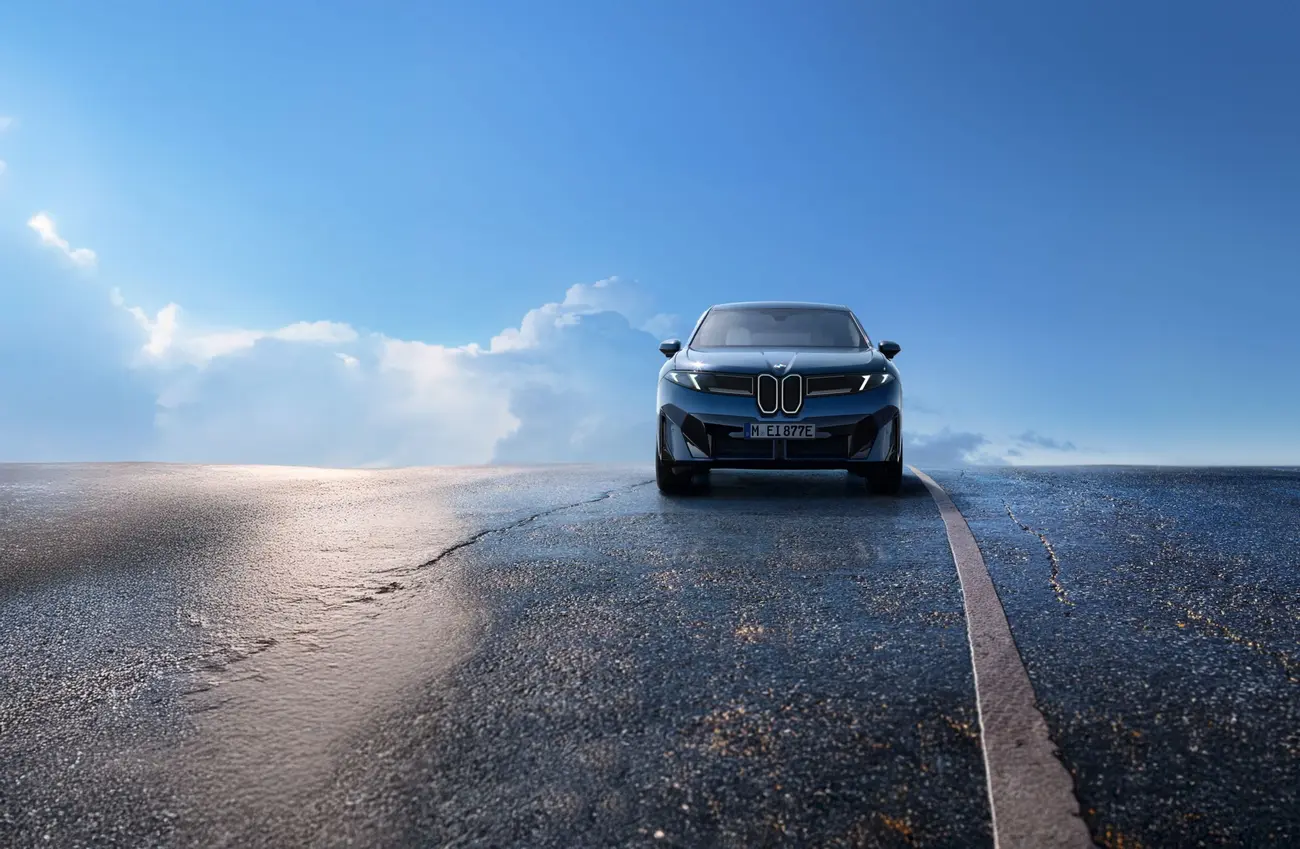
Why aluminium is replacing copper in electric cars
Some changes in an electric car are invisible, yet they show up in the final price. One of the quietest is happening inside the wiring: copper, the metal that has carried electricity through cars for generations, is being swapped for aluminium. And it isn't niche brands doing it — Ferrari, BMW, Tesla, Stellantis and several Chinese manufacturers have already gone this way. The main reason is simple: copper has become too expensive to stay the default.
The copper price is pushing carmakers toward aluminium
For decades, copper was the obvious pick. Excellent conductivity, adequate supply and behaviour the industry knows inside out. Then the equation shifted.
Global demand surged with electric cars, renewable energy and the vast data centres that feed artificial intelligence. The result: in three years, the price of a tonne of copper climbed from around 7,300 € to over 13,000 € at recent peaks — it briefly touched a record near 15,000 dollars per tonne in late January 2026 — before easing back to roughly 11,600 €. A tonne of aluminium, by comparison, sits around 2,700 €.
For a manufacturer packing dozens of kilos of cable into every vehicle, that gap becomes impossible to ignore. Aluminium costs about a quarter of what copper does. Multiply that across millions of cars and it changes the maths entirely.
Aluminium vs copper: what changes in conductivity and weight
Aluminium is tempting for two obvious reasons — it's far cheaper and noticeably lighter. Physically, it's about 3.3 times lighter than copper, roughly 67% less weight for the same volume.
There's a catch, though. Aluminium's conductivity is only about 60% of copper's. In plain terms: to carry the same current, the cable has to be thicker. In practice, an aluminium conductor needs to be around 1.5 to 1.6 times larger in cross-section than its copper equivalent. That can turn into a headache in the tight spaces of a car — trickier routing, and brackets and bulkheads that need reworking.
And the weight? Even after being bulked up to make up for the lower conductivity, an aluminium cable still weighs about half as much as copper. That's the maths that matters to engineers: more volume, yes, but still far less mass.
Where aluminium fits — and where copper stays
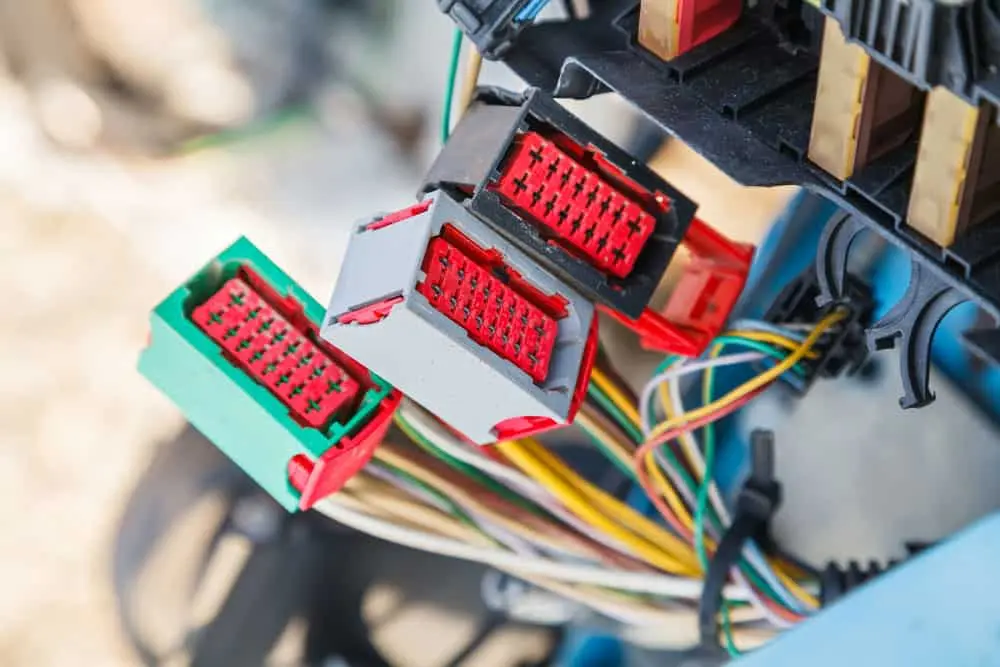
Aluminium doesn't replace everything. It makes most sense in long cable runs where there's room: the high-voltage links between the battery and the rest of the system, the battery busbars, the charging circuits and the main power lines.
Copper holds its ground where space is scarce and current is high — in the compact interconnects between cells, for example. It's a classic case of picking the right tool for each job, not scrapping one material outright.
How much weight aluminium wiring saves in an EV
Here's the benefit that reaches the driver. Even after accounting for the extra cross-section, each aluminium wiring segment saves roughly 40 to 50% of the weight. Ferrari says the switch cuts total wiring weight by as much as 20%.
In an electric car, every kilogram counts toward battery efficiency and driving range. Less weight in cables means, over thousands of kilometres, slightly lower consumption and a few extra kilometres of range. It's not a range revolution, but it adds to all the weight-trimming carmakers already do in chassis, bodywork and batteries.
Ferrari, BMW, Tesla and China: the same turning page
Ferrari might surprise you on this list, given its performance-above-all image. But the brand has long used aluminium in chassis, bodywork and engines, and it has now extended that logic to the power wiring. The 296 GTB hybrid led the way, and the Luce — Ferrari's first EV — made the practice standard.
BMW tested aluminium conductors as far back as 2011 and reached widespread use of the material across many cables in its new "Neue Klasse" generation. The eDrive platform uses it extensively, in both high- and low-voltage systems. Tesla, for its part, has used aluminium in the Model Y wiring harnesses since 2019.
In China, brands like XPeng, Xiaomi and AVATR turned the switch into a lever to lighten their cars and cut production costs. The move even had political backing: a 2025 government note urged the industry to reduce its dependence on copper.
The downsides: oxidation, expansion and special welding
None of this comes for free. Aluminium oxidises readily, forming a tenacious oxide layer that raises contact resistance at connections. It suffers from thermal expansion, which can loosen joints over time, and it has lower tensile strength.
That's why joining aluminium isn't as easy as with copper. It calls for ultrasonic or laser welding and purpose-designed connectors, since traditional soldering won't do. Producing aluminium is also more energy-intensive. Modern alloys, surface coatings and new connectors ease much of this — but they demand careful engineering, and that engineering carries costs that bring the final bill closer to copper's than the raw material price suggests.
Frequently Asked Questions
The main reason is cost. Aluminium is about a quarter of the price of copper — it sits around 2,700 € per tonne, while copper climbed past 13,000 € (touching a record near 15,000 dollars per tonne in January 2026). With dozens of kilos of cable per vehicle and millions of cars built, that gap becomes a saving too large to ignore. Aluminium's lower weight is the added bonus.
Yes, provided it is properly engineered. Aluminium has drawbacks — it oxidises readily (raising contact resistance), suffers thermal expansion that can loosen joints, and has lower tensile strength. That is why it requires ultrasonic or laser welding and purpose-designed connectors, since traditional soldering won't do. Modern alloys and surface coatings solve much of this, and brands like BMW have used aluminium conductors reliably since 2011.
Even after the cable is bulked up 1.5 to 1.6 times to offset its lower conductivity, each aluminium wiring segment saves roughly 40 to 50% of the weight. Ferrari says the switch cuts total wiring weight by as much as 20%. In an electric car every kilogram counts toward battery efficiency: it's not a range revolution, but a few extra kilometres of range add up over time.
No. Aluminium makes most sense in long cable runs where there is room — the high-voltage links between the battery and the system, the battery busbars, the charging circuits and the main power lines. Copper holds its ground where space is scarce and current is very high, such as the compact interconnects between cells, thanks to its superior conductivity (100% IACS versus around 60% for aluminium).
The effect is indirect. Savings on wiring rarely translate into a direct discount on the sticker, but they help offset the increases tied to batteries, electronics and new regulations. According to JPMorgan, aluminium could replace about 2% of global copper demand this year, rising to 6% by 2030 if copper stays expensive. In other words, it works more to contain price rises than to bring prices down.
What this means for electric car prices
According to JPMorgan, aluminium could replace the equivalent of about 2% of global copper demand this year, rising to 6% by 2030 if copper stays expensive. In some industrial segments, projections point to 25 to 30% of today's copper components shifting to aluminium by the end of the decade.
For the buyer, the effect is indirect. Savings on wiring rarely translate into a direct discount on the sticker. But they help offset the increases tied to batteries, electronics and new regulations — so they work more to contain prices than to lower them. Next time you hear about a new EV's range, it's worth remembering that part of that efficiency starts in cables that are no longer made of copper.